

 Account


Up to 90% of your moisturizer is water. Not the botanicals, not the actives, not the ingredients you actually paid for, just water, the cheapest filler in the beauty industry. And after 40, that watered-down formula is quietly working against your skin.
Waterless skincare flips that math. Instead of water, every ingredient is functional: oils, butters, waxes, and plant extracts that work on contact. Also called anhydrous skincare, it is concentrated, so a small fingertip amount goes a long way.
Frøya Organics is formulated this exact way, on wild Arctic botanicals and organic beeswax, with no water and no fillers. Its Complete System for Mature Women's Skin is a four-step waterless routine made for exactly this shift. That means each balm is dense with active ingredients rather than diluted by them.
This guide covers why the waterless approach suits mature skin, which ingredients actually perform in oil-based formulas, and a simple week-by-week way to switch.
Key Takeaways
- Waterless skincare is made without water, so oils, butters, and plant extracts replace filler and work on contact.
- Also called anhydrous skincare, it is concentrated, so a small fingertip amount goes a long way.
- After 40, falling estrogen lowers ceramides and weakens the skin barrier, which is why oil-based formulas suit mature skin.
- Removing water means fewer preservatives, since bacteria, yeast, and mold need water to grow.
- Sea buckthorn, rosehip, squalane, and jojoba are the botanicals that make waterless formulas effective.
- Switch slowly: start with just the face scrub, then add new products every few days over four to six weeks.
What Is Waterless Skincare, and Who Is It For?
Waterless skincare means balms, oils and powders made without water, so what you apply is botanical oils and waxes rather than filler. It works for every skin type, because concentrated formulas deliver more nourishment per use and need fewer preservatives.
It is especially helpful after 40, when skin makes less oil and loses moisture faster: a waterless balm seals that moisture in instead of evaporating with it. Warm a small fingertip amount between your fingers and press it into slightly damp skin.
Why Waterless Skincare Works Better for Mature Skin

Waterless skincare works better for mature skin because it supports the barrier instead of masking dryness, which makes it the backbone of natural skincare for mature skin. You moisturize morning and night, yet your skin feels drier every year. That is tied to your changing skin biology.
After 40, declining estrogen reduces your skin's ceramide production. Ceramides are the lipids that hold your barrier together, so as they shorten and drop after menopause, moisture escapes faster. This is transepidermal water loss, or TEWL, and it shows up as tightness, sensitivity, and dryness that keeps returning.
Water-based skincare can make this worse. When water is the main ingredient, that surface moisture evaporates within hours and can pull more water from the skin as it goes.
Oil-based, waterless formulas take a different route. They integrate with the stratum corneum's own lipid layer and reinforce the barrier from within, which is why the waterless approach suits barrier-repair sensitive skin so well. Frøya's beeswax and botanical oils are the natural answer to the lipids mature skin is losing, holding the moisture skin already makes instead of adding water that leaves.
Removing water carries one more advantage: fewer preservatives. Bacteria, yeast, and mold all need water to grow, so taking it out keeps the formula stable without the synthetic preservatives reactive mature skin often struggles with.
What shifts in skin after 40: Estrogen falls and ceramide production drops with it, so the barrier weakens and TEWL rises. Water-based products evaporate and can deepen that dryness. Oil-based botanicals do the opposite, replenishing the lipids the barrier needs to hold moisture.
Key Ingredients That Make Waterless Skincare Effective
Waterless formulas concentrate active ingredients instead of diluting them. Because there is no water taking up space, each botanical sits higher on the ingredient list at greater potency. That is the whole point of an anhydrous base.
Sea buckthorn is the standout ingredient. It is a powerful antioxidant derived from a tiny Nordic fruit, rich in omega-7, the fatty acid found naturally in your skin. That makes it a natural fit for waterless hydration for mature skin, supporting moisture and softness where thinner skin needs it.
A strong waterless routine is never built on one oil alone. The supporting botanicals each do a specific job.
- Rosehip: vitamins and fatty acids that support tone and cell turnover
- Squalane: lightweight moisture that absorbs quickly across all skin types
- Jojoba: the closest botanical match to your skin's own oils, so it is well tolerated
- Beeswax: a protective layer that seals in moisture and shields the barrier
Together, these give Frøya the botanical retinol alternative benefits many women want without the harshness some conventional actives bring. The botanicals are already blended into each balm, so there is nothing to mix or measure yourself.
There is also a quality and stability advantage worth knowing. Many antioxidants degrade fast once water is in the formula. In an anhydrous, oil-based system, oil-soluble antioxidants stay potent far longer.
Why concentration matters: With no water diluting the formula, plant extracts sit at higher potency. That means more benefits per fingertip amount, and less product needed each day.
How to Switch to a Waterless Skincare Routine
Switch slowly, one product at a time, and give your skin room to adjust. A gradual change lets your barrier adapt without overwhelm. Rushing is the most common mistake.
Here is a simple four-week path.
- Start with just the cleanser for several days. Swap your foam or gel cleanser for an oil or balm cleanse that does not strip your natural oils. Remove makeup with it first, then rinse. Patch-test on your jawline if your skin is reactive.
- Add new products every few days. Once your skin is comfortable, bring in the next step. Slow layering-in beats changing everything at once.
- Replace your moisturizer with a balm. A concentrated balm takes the place of a water-heavy cream. Press a small fingertip amount into clean skin.
- Evaluate and adjust. A hybrid routine is fine while you settle in. Give your skin four to six weeks to fully adapt.
Expect a short adjustment period. A little skin purging is normal during the transition process as your skin recalibrates. It usually settles within the first couple of weeks.
For the technique itself, less is more. A tiny amount pressed into the skin with your palms is enough, and if your skin looks slightly orange, you have used too much. See how to apply waterless balms for the full routine.
The 60-second rule: Apply your balm, then wait a full minute before judging it. Most "too greasy" reactions are simply too much product, not the wrong product.
The Waterless Set Balms for Mature Skin

Frøya's four-step routine is built entirely without water, so each step is concentrated botanicals rather than filler. The balms are gentle, made for sensitive and mature skin, with no synthetic fragrance and nothing harsh. Here is what each balm does and when to use it.
|
Step |
Product |
What it does |
When to use |
|
Cleanse |
Gently cleanses without stripping your natural oils, a waterless powder that foams with water |
2 to 3 times a week |
|
|
Day |
Lightweight morning balm that supports daytime hydration and glow |
Every morning |
|
|
Night |
Softens the look of fine lines and supports the barrier overnight |
Every night |
|
|
Eye |
Calms the delicate eye area and eases the look of puffiness and dark circles |
Morning and night |
Each balm is already blended, so there is nothing to mix or measure yourself, just a small fingertip amount of a gentle, concentrated formula.
Waterless Skincare Myths That Hold You Back
A few misconceptions keep people from trying waterless skincare products. Here is what the evidence actually shows.
Myth 1: Waterless skincare cannot hydrate.
It reinforces your lipid barrier so skin holds the moisture it already makes. The hydration lasts longer because it treats barrier weakness, not just surface dryness. That is deeper hydration than a quick water hit.
Myth 2: It is too greasy.
Oils like squalane and jojoba absorb cleanly when used in a small amount. Two to four drops or a fingertip of balm is plenty. If it still feels greasy after 60 seconds, you used too much.
Myth 3: It only works for dry skin.
Lightweight oils help balance oil production by supporting the barrier that drives overproduction. When the barrier is strong, skin often makes less excess oil. That is why waterless care can suit combination and acne-prone skin too.
Myth 4: It is too expensive.
You use a fraction of the product, since concentrated balms are not watered down. Compare cost per week, not cost per bottle. A small jar of concentrated balm often outlasts a larger jar of water-heavy cream.
This article is for general information only and is not medical advice. Everyone's skin is different, so patch test new products and speak with a qualified professional if you have a skin condition or ongoing concern. Individual results vary.
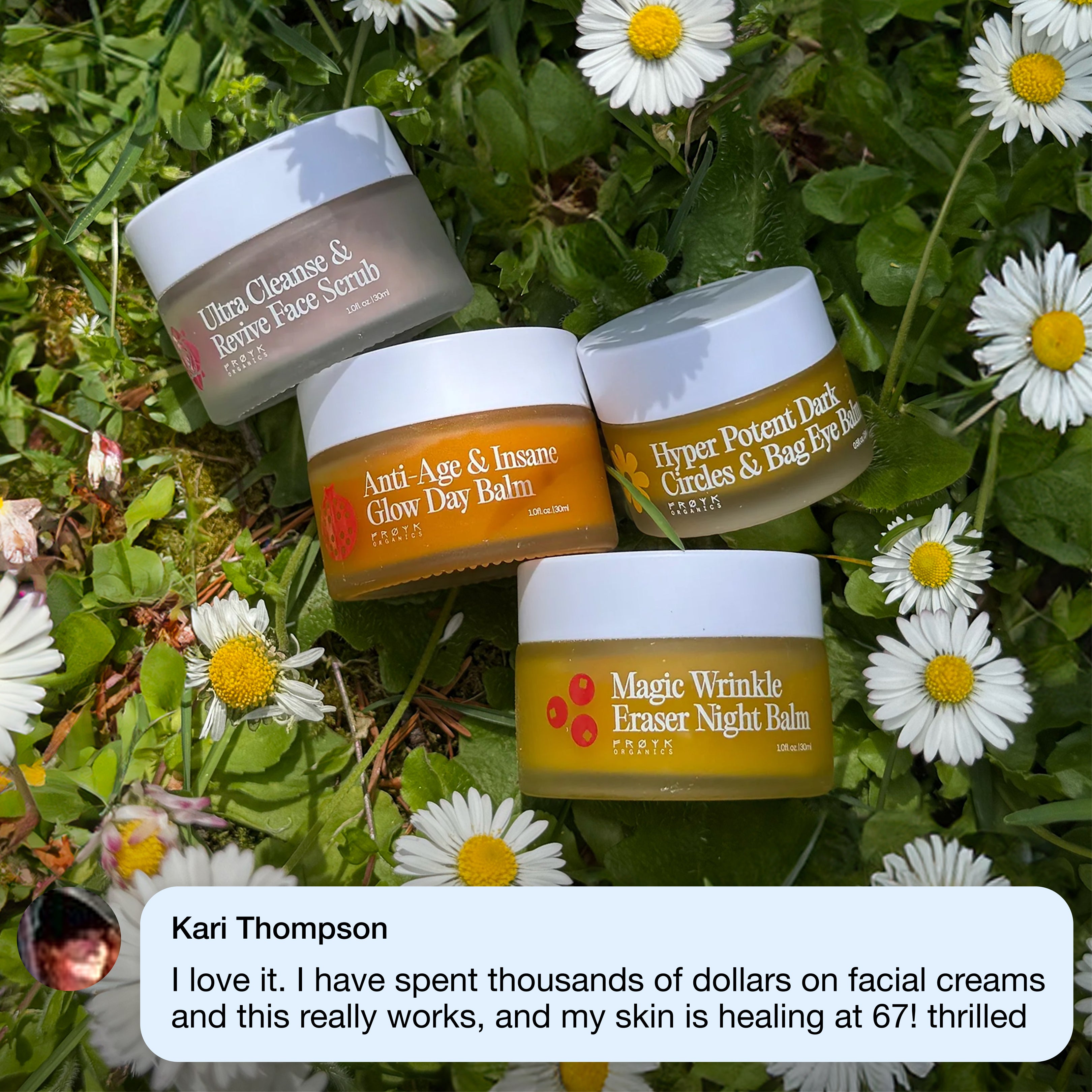
Wild Arctic botanicals and organic beeswax. Zero water, zero synthetic fragrance. Four concentrated balms that feed your barrier the lipids it is losing, backed by a 60-day money-back guarantee.
Shop the System TodayFrequently Asked Questions
What is the difference between anhydrous and waterless skincare?+
When did the waterless beauty trend start?+
Why don't waterless products need synthetic preservatives?+
Can waterless skincare replace my whole skincare routine?+
Is waterless skincare better for the environment?+
Is waterless skincare safe for sensitive skin?+
How long does it take to see results?+


