

 Account


Breaking out in your late thirties and forties feels like a cruel joke. You did the awkward years already, and now the same deep, tender bumps are back along your jaw and chin, right on schedule before your period.
That timing is the clue. Hormonal acne is driven by androgen hormones, the male sex hormones that tell your oil glands to make excess sebum. That excess oil plus sticky dead skin cells plus bacteria equals clogged pores. When those clogged pores swell up, you get those painful, inflamed bumps that feel nothing like a blackhead.
Hormonal fluctuations across your menstrual cycles are what set the whole thing off. It is the same androgen activity behind acne development at any age, just showing up later in life.
For years the standard answer has been birth control pills. They work for many women, but they are not the only path, and they are not right for everyone. If you cannot take them, do not want to, or are ready to go off them, here are the real options that hold up.
Key Takeaways
- Hormonal acne in adult women is usually not about having too many androgens, it is about oil glands that react strongly to normal androgen levels, flaring on the lower face before your menstrual cycle.
- You can calm hormonal breakouts without birth control using a mix of smart skincare, diet changes, and stress habits, with a doctor-prescribed option if you need more.
- Frøya Organics makes waterless, botanical balms built for adult, breakout-prone skin, designed to calm and support rather than strip, so they fit alongside almost any plan.
- Give any new routine or prescribed treatment a full 2 to 3 months before you judge it, and see a dermatologist for deep, painful, or scarring acne.
Is There A Pill For Hormonal Acne?
Some dermatologists prescribe oral spironolactone for hormonal acne in adult women. It is a blood pressure medicine that doctors use off-label for acne, and only your doctor can tell you whether it suits you. Birth control pills are the other prescription route. Like any medicine, they carry risks, such as a higher chance of blood clots for some women, so your doctor will check your health history before prescribing them. Our approach is different: we stay natural, with botanical balms that help maintain clear-looking, balanced skin.
How Do I Calm My Hormonal Acne Naturally?
You can calm hormonal acne naturally by supporting your skin barrier, steadying the triggers through diet and stress, and skipping the harsh products that make breakouts worse. No single habit clears hormonal acne on its own, but when you stack a few together and stay consistent, the change adds up.
Natural does not mean doing nothing. It means working with your skin instead of stripping it, leaning on the kind of natural acne care for mature skin that calm rather than attack, and giving the process enough time to work.
The sections below walk through each piece of calming acne without birth control, roughly in the order worth trying: skincare first, then diet, then daily habits, then the stronger options if you still need them.
Start With Skincare That Calms, Not Strips

The biggest skincare mistake with hormonal acne is scrubbing and drying skin in a panic, which only pushes your skin to make more excess oil. Adult skin is drier and more easily irritated than teen skin, so what cleared your face at 16 will wreck it at 40. If you have been dealing with hormonal acne after 40, you know the pattern: harsh products, more redness, more breakouts.
A simple routine built on non-comedogenic products, the ones that will not clog pores, beats a 10-step one. Harsh washing only drives excess oil production higher, so clean with a mild cleanser to keep skin intact rather than stripping it.
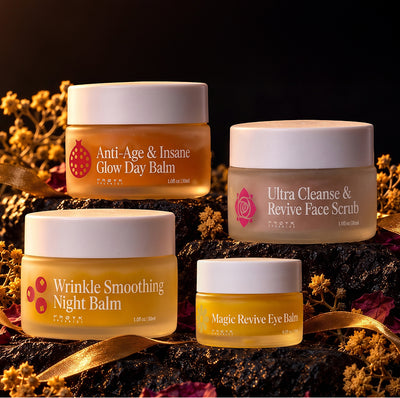
If you want a simple routine to start with, Frøya Organics makes a three-step waterless set for red-looking, breakout-prone adult skin that helps maintain clear-looking, balanced skin, and a fingertip amount does the job.
Watch The Actives That Can Be Too Much

Stronger actives all have real research behind them, but strong does not suit every skin type. Here is what the common ones do:
- Topical retinoids speed up cell turnover and reduce pore clogging.
- Benzoyl peroxide lowers acne-causing bacteria.
- Azelaic acid is antibacterial and helps trigger less inflammation.
- Topical clascoterone is a prescription cream that blocks androgens in the skin. The FDA approved it for acne in 2020, and results usually take about 12 weeks.
These are well-established acne treatments. They also tend to dry, sting, or redden skin that is already sensitive, and how well you tolerate them depends on your skin.
Other acne treatments sit in the clinic, like chemical peels that lift away dead skin and pore-clogging debris. These can help, but they are a bigger step than daily care.
If your skin keeps reacting to strong actives, a botanical routine built on Arctic plants may feel easier on it: it soothes the feeling of irritated, tight skin and leaves skin feeling soft and smooth rather than peeled. Ask your dermatologist how a balm fits your plan.
The Complete System for Acne-Prone Skin is made as a full routine, and you get the most from it when you use all three steps together. We don't recommend layering other actives with it. If you already use a prescription treatment, check with your dermatologist before you add anything new.
Look At What You Eat
Diet will not clear hormonal acne on its own, but what you eat changes the hormones underneath it. High glycemic index foods, the white bread, sugar, and refined carbs kind, can spike insulin and nudge androgen levels higher, which feeds oil production. Dairy gets a similar question mark, though the research is less clear cut.
You do not need a strict plan. Easing off the high-glycemic foods and testing if cutting back on dairy helps you is a reasonable experiment over a few weeks.
A healthy diet can steady insulin and lower oil output, and omega-3 fatty acids may calm the inflammation behind breakouts. Foods rich in vitamin c and antioxidants support skin too. None of this balances hormones overnight, but it tilts the odds toward fewer flares.
Diet has a modest but real link to acne.
High glycemic index and glycemic load have a modest but real link to more acne, backed by randomized controlled trials, while dairy's effect is more mixed and depends on the person. (JAAD International review linking diet to acne)
Fix The Habits That Feed Hormonal Breakouts
Stress and poor sleep quietly feed hormonal acne by raising cortisol, which pushes oil production up. It is not in your head. Chronic stress sparks more oil and can trigger inflammation, and broken sleep keeps cortisol elevated so your skin never gets the calm window it needs to recover.
Regular sleep and exercise help steady cortisol and take pressure off your skin. Movement also supports circulation and your immune system, which helps trigger less inflammation and calmer skin. Staying consistent with these basics does more for hormonal acne than chasing fancy products.
None of this is a quick fix, and that is the honest part. These habits work in the background, making every other approach on this list more effective.
Consider Targeted Support
A few supplements have real evidence for acne, with zinc being the best supported. Zinc has calming properties and helps with the bacteria tied to breakouts, which is why it shows up in so much acne research. Others, like omega-3 fatty acids, probiotics, and green tea extract, have some support but are not as well-proven.
Think of these as helpers, not fixes. They do the most alongside good skincare and diet, and it is worth checking with your doctor before adding anything.
If you want a daily routine to go with these habits, the Complete System for Acne-Prone Skin from Frøya Organics brings together the Magic Revive & Glow Day Balm, the waterless face scrub and the Balm for Acne-Prone Skin, all made to reduce the appearance of redness on breakout-prone skin and backed by a 60-day money-back guarantee.
Know When To See A Dermatologist
A good routine handles a lot, but some breakouts need a professional. See a dermatologist if:
- Your acne is deep, painful, or leaving scars
- Breakouts are not budging after a few months of consistent care
- Stubborn acne comes with irregular periods, extra facial hair, or thinning hair, which can signal an underlying hormone balance issue
A dermatologist can confirm the cause and map out every route to treat hormonal acne, from topicals to hormonal therapies to other acne treatments. Most patients do best with patient centered care built around their needs, not a one-size prescription.
Before your dermatologist's office visit, bring:
- A list of your medical conditions
- Any medications you take
- Family history, including heart disease and breast cancer
This kind of adult female acne often needs a plan shaped around your health. You can explore the full range of natural products for acne-prone skin while you figure out the right medical plan. Good daily care and a professional plan are not either-or, they work best together.
What The Right Acne Routine Looks Like
A good daily routine for breakout-prone skin is simple, consistent, and built to support the skin's moisture barrier rather than strip it. Clean softly, exfoliate with a waterless scrub a few times a week, calm with a botanical balm morning and night, and give it time. That is the whole routine.

Frøya Organics products are waterless balms made in Norway from wild Arctic botanicals plus organic beeswax. They are made for all skin types and tones, and the acne range is written for adult female skin that breaks out along the jaw, chin, and neck. A tiny fingertip amount is enough, and each jar lasts about 40 days.
What to realistically expect is calmer, clearer-looking skin over weeks, not an overnight miracle. That slower, steadier change is the whole point. On Trustpilot, Frøya holds a 4.7 out of 5 across 11,086 reviews, 90% of them five-star.
You can read more real customer skin results before you decide where to start.
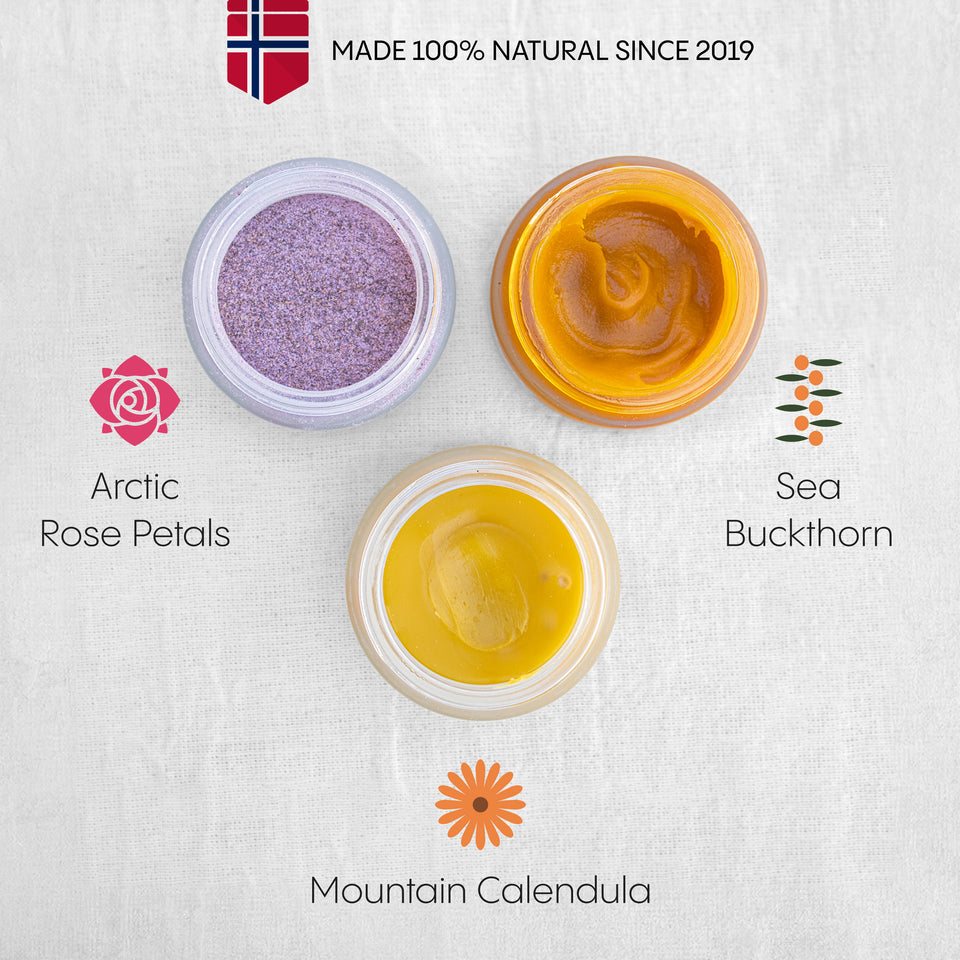
Two waterless Arctic balms and a waterless face scrub made for adult, breakout-prone skin. They reduce the appearance of redness and help maintain clear-looking, balanced skin, backed by a 60-day money-back guarantee.
Shop the System TodayDisclaimer: This article is for general information only and is not medical advice. Frøya Organics products are cosmetics designed to support and soothe skin, not a medicine for any condition. Talk with a healthcare provider before starting or stopping any treatment.
Frequently Asked Questions
How do I calm my hormonal acne naturally?+
At what age is hormonal acne the worst?+
What does estrogen acne look like?+
What causes adult acne in women?+
Can certain foods help balance hormones for acne?+
Do chemical peels help hormonal acne?+
What pill helps hormonal acne without birth control?+
Can I use Frøya balms on sensitive or acne-prone skin?+
Will going off birth control make my acne worse?+


