

 Cuenta


Sigues tu rutina de cuidado de la piel al pie de la letra. Hidratante por la mañana, de nuevo por la noche. Y sin embargo, a la hora del almuerzo tu piel se siente tensa, se ve un poco apagada, y esa zona seca junto a tu nariz no desaparece.
Aquí va la versión corta. Un hidratante principalmente añade agua a tu piel, y un aceite facial sella esa agua. Después de los 40, el paso de sellado es generalmente la parte que te falta en tu rutina.
¿Entonces cuál necesitas? Vamos a desglosar qué hace cada uno, qué dice la investigación sobre los aceites para la piel madura, y cómo usarlos juntos.
Puntos Clave
- La piel madura a menudo pierde los lípidos que sellan la hidratación, así que un hidratante solo deja de ser suficiente.
- Un hidratante añade agua, mientras que un aceite facial la bloquea, por eso los dos hacen trabajos diferentes.
- Los dermatólogos tienden a recomendar los aceites faciales como apoyo para la barrera, no como solución milagrosa.
- El aceite de argán, el de rosa mosqueta, el escualano, la granada y el espino amarillo tienen la investigación más clara detrás para la piel madura.
- Aplica de lo más ligero a lo más denso y deja que tu aceite o bálsamo sea el último paso, o deja que un bálsamo sin agua haga ese trabajo de sellado solo.
Por Qué la Piel Madura A Menudo Necesita Más que un Hidratante
La piel madura necesita más que un hidratante porque pierde los lípidos que retienen el agua. A medida que esas grasas disminuyen, el agua se escapa más rápido, y tu crema habitual no puede seguir el ritmo.
Aquí está lo que cambia bajo la superficie. Cuando el estrógeno baja durante la perimenopausia y la menopausia, tu piel produce menos cerámidasmás débiles, las grasas que sellan la hidratación. El agua entonces abandona tu piel más rápido de lo que lo hacía a los 32, un proceso llamado pérdida transepidérmica de agua.
Por eso la crema que funcionaba a los 35 se siente inútil a los 55. No eres tú, y el producto no se echó a perder. Un estudio clínico sobre piel menopáusica encontró que el estrógeno más bajo deja la piel con menos cerámidasmás débiles, los lípidos que tu barrera necesita para retener la hidratación.
Si tu piel se siente seca y tensa sin importar qué hagas, una mejor hidratación para piel madura más un sello real supera el recurso de buscar otra crema pesada.
Aceite Facial vs. Hidratante: ¿Cuál es la Diferencia?

Los hidratantes son a base de agua y añaden hidratación, mientras que los aceites faciales son a base de aceite y la cierran. Hacen trabajos relacionados, pero no son la misma herramienta.
Aquí va la comparación rápida.
|
|
Hidratante (Crema Facial) |
Aceite Facial |
|
Base |
A base de agua |
A base de aceite |
|
Trabajo principal |
Añade agua (hidrata) |
Sella el agua adentro |
|
Textura |
Ligera, se absorbe rápido |
Más rica, se queda en la superficie |
|
Mejor para |
Hidratación superficial diaria |
Bloquear la hidratación, piel seca o madura |
|
Se usa cuando |
Antes en la rutina |
Último paso |
Hay una trampa que vale la pena conocer. Los ingredientes que atraen agua en un hidratante pueden tirar el agua hacia arriba y luego dejarla escapar si nada la sella, y en piel seca eso puede dejarte sintiéndote más tensa, no más suave. La descripción general de los NIH sobre hidratantes explica por qué una capa más rica y selladora importa más para la piel que lucha por retener la hidratación, que es exactamente donde un aceite facial se gana su lugar.
Qué Hace un Hidratante
Un hidratante añade agua y suaviza la superficie, lo que mantiene la piel hidratada y con un aspecto terso. La mayoría de los hidratantes de crema son a base de agua, así que cada uno se absorbe rápidamente y se siente ligero.
Normalmente mezclan tres tipos de ingredientes. Los humectantes como la glicerina o el ácido hialurónico atraen agua, los emolientes suavizan las zonas ásperas, y los oclusivos ralentizan la evaporación del agua.
La trampa es que un humectante puede tirar del agua hacia arriba y luego dejarla evaporar si nada la sella. En la piel madura, ese sello faltante es exactamente el problema.
Qué Hace un Aceite Facial
Un aceite facial sella la hidratación y suaviza la piel, pero no añade agua. Es a base de aceite, así que se queda en la superficie y tiene propiedades oclusivas que ralentizan la pérdida de agua.
En términos simples, los aceites son oclusivos y emolientes, nunca humectantes. Son la tapa del vaso, no el agua dentro. Por eso se adaptan a un tipo de piel seca o madura que pierde hidratación rápidamente.
La forma más concentrada de un aceite facial es un bálsamo, una mezcla sin agua de aceites y cera de abeja que sella aún más efectivamente. Esa es la forma alrededor de la cual se construye Frøya, y es por eso que verás que los bálsamos aparecen como el paso de sellado a lo largo de esta guía.
¿Es Mejor Usar Aceite Facial o Hidratante?

Ninguno de los dos reemplaza al otro, pero para la piel madura, el paso del aceite es generalmente la solución más importante. Un hidratante le da agua a la piel, y un aceite evita que esa agua se vaya.
Piénsalo como dos movimientos. Primero le das hidratación a la piel, luego la atrapas antes de que el día la saque. La piel más joven maneja ese segundo movimiento por sí sola con aceite natural, por eso una crema se sentía suficiente en ese entonces.
Después de los 40, tu piel necesita ayuda para sellar. Así que la pregunta real no es "¿aceite o hidratante?", sino "¿estoy sellando la hidratación que ya tengo?" Para la mayoría de la piel madura, la respuesta es no, y ese es el vacío que llena un bálsamo rico en aceites.
¿Recomiendan los Dermatólogos Aceites Faciales?
Sí, muchos dermatólogos recomiendan aceites faciales, especialmente para piel seca, madura o estresada. La razón son los ingredientes que llevan los aceites, no magia.
Los médicos de la piel señalan los aceites ricos en ácidos grasos esenciales y antioxidantes, que apoyan la barrera y ayudan a defender contra el sol y el estrés oxidativo, el daño de radicales libres que envejece la piel. Eso importa más a medida que la piel se adelgaza y reacciona más fácilmente con la edad, lo que hace que un aceite suave sea un buen ajuste para la piel sensible también.
Los dermatólogos generalmente enmarcan los aceites como apoyo para una rutina, no como solución milagrosa. Una revisión de aceites vegetales para la reparación de la barrera de la piel vincula ciertos aceites botánicos con una función de barrera más fuerte y menos pérdida de agua, que es la ganancia realista.
Qué buscar: No todos los aceites se adaptan a la piel que envejece. Inclínate hacia aceites ricos en ácido linoleico como el de rosa mosqueta, que ayudan a mantener la barrera de agua de la piel, y ve con cuidado con los aceites pesados en oleico como el de oliva, que pueden interrumpir una barrera que se adelgaza.
¿Cuál es el Mejor Aceite Facial para la Piel Madura?
Los mejores aceites faciales para la piel madura son ricos en ácidos grasos y antioxidantes que coinciden con tus propios lípidos. Algunos destacan porque estudios reales los respaldan, no solo marketing.
El aceite de argán tiene la evidencia más sólida. En un ensayo controlado de 60 mujeres posmenopáusicas, el aceite de argán diario mejoró la elasticidad de la piel de manera medible en 60 días. Los investigadores atribuyeron esto a su mezcla de vitamina E y ácidos grasos, que ayudan a la piel a retener agua y apoyan las fibras que la mantienen firme. Si quieres profundizar, aquí está lo que el aceite de argán para la piel hace para las mujeres mayores de 45.
Los otros aceites que vale la pena conocer para la piel madura:
- Aceite de semilla de rosa mosqueta: Un oclusivo suave que ayuda a sellar la barrera mientras apoya la renovación. Rico en vitamina A y vitamina C, es un "aceite seco" ligero, así que este aceite de semilla se absorbe rápidamente sin sensación pesada.
- Escualano: El héroe silencioso. Imita tu propio aceite de piel, tiene una textura que se absorbe rápidamente sin residuo graso, y no obstruirá los poros, así que se adapta a la piel propensa al acné y la piel mixta. Uno de los mejores aceites ligeros para rostros que quieren hidratación sin peso.
- Granada y espino amarillo: Estos añaden antioxidantes, vitamina E y ácidos grasos omega que coinciden con la piel. Juntos, alimentan profundamente y ayudan a suavizar la apariencia de las arrugas.
- ACEITE DE JOJOBA: Técnicamente un éster de cera, así que coincide estrechamente con tu propio aceite de piel y se absorbe sin sentirse pesado. Calma una barrera estresada, por eso aparece en cuidado de la piel y cuidado del cabello por igual.
- Aceite de prímula nocturna: Rico en ácidos grasos omega-6 que ayudan a calmar la piel seca y reactiva. Se inclina más hacia el apoyo de la barrera que anti-envejecimiento.
- Manteca de karité: Un emoliente rico que suaviza y conforta la piel seca. Es más pesada que las otras, así que funciona mejor como capa de sellado en lugar de un aceite ligero diario.
Cómo Usar Aceite Facial e Hidratante Juntos
La regla es simple: ve de lo más ligero a lo más denso, y deja que tu aceite o bálsamo sea el último paso. Los productos más ligeros a base de agua van primero para que puedan penetrar.
Aquí está el orden que funciona para la piel madura:
- Limpia, luego seca tu piel hasta que esté apenas ligeramente húmeda
- Aplica tu paso más ligero y rico en agua primero
- Termina con tu aceite o bálsamo para sellar lo bueno
- Usa unas pocas gotas para un aceite líquido, o una cantidad minúscula del tamaño de la yema del dedo para un bálsamo
Un bálsamo es la forma más concentrada de hacer ese paso final, ya que es una mezcla de aceite sin agua que nutre y sella a la vez. El Bálsamo de Noche Mágico Borrador de Arrugas está construido para esto durante la noche, cuando tu piel hace la mayoría de su reparación.
No necesitas principios activos duros para que esto funcione, y unas pocas gotas realmente son suficientes.
¿Puede un Aceite Facial Reemplazar tu Hidratante?
Un aceite facial puede reemplazar tu hidratante cuando tu piel aún produce suficiente agua propia pero lucha por retenerla, que es común con la piel madura y seca. La solución es menos sobre añadir otro producto y más sobre sellar lo que tu piel ya tiene.
Aquí es donde un bálsamo sin agua cambia la ecuación. Construido a partir de aceites y cera de abeja en lugar de agua, alimenta tu piel y la sella en un solo paso, así que funciona como la rutina, no como un complemento.
Una nota honesta sobre los principios activos populares. El retinol y los ácidos fuertes pueden funcionar, pero en la piel madura más fina a menudo traen escozor, descamación y enrojecimiento. Una ruta botánica más suave construida para cuidado de la piel antiarrugas para mujeres puede suavizar las líneas finas y aún funciona bien bajo el maquillaje, sin el ciclo de irritación.
La Diferencia que la Rutina de Cuidado Correcta Hace para la Piel Madura

Cuando la piel madura finalmente obtiene el sello que ha estado perdiendo, el cambio tiende a mostrarse rápidamente. La piel retiene hidratación, se ve menos apagada, y se siente suave y tersa en lugar de tensa.
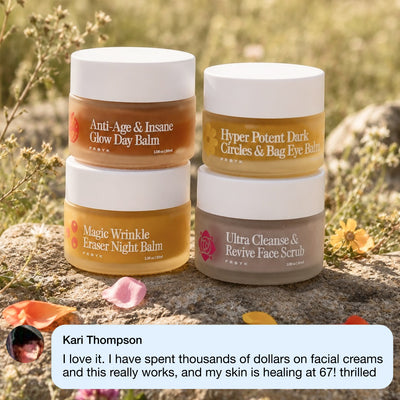
Esa es la idea detrás del enfoque de Frøya: alimenta tu piel con aceites botánicos, luego sella como tu propia piel solía hacerlo. El Sistema Completo para la Piel de Mujeres Maduras mantiene eso simple, emparejando un bálsamo de día, bálsamo de noche, bálsamo de ojos y exfoliante facial en una rutina fácil, sin adivinar sobre cómo superponer. La marca reporta que el 92% de los usuarios tuvo piel más hidratada después de dos semanas.
Puedes ver cómo se ve eso en rostros reales en estas transformaciones de piel real, emparejado con una garantía de devolución de dinero de 60 días si tu piel no está de acuerdo. Sin presión, solo una rutina construida para cómo la piel madura realmente se comporta.
Este artículo es solo para educación general y no es consejo médico. Los resultados del cuidado de la piel varían de persona a persona, y cualquier afirmación de producto refleja cifras reportadas por la marca. Si tienes una condición de piel o una preocupación continua, por favor consulta con un dermatólogo calificado o un proveedor de salud.
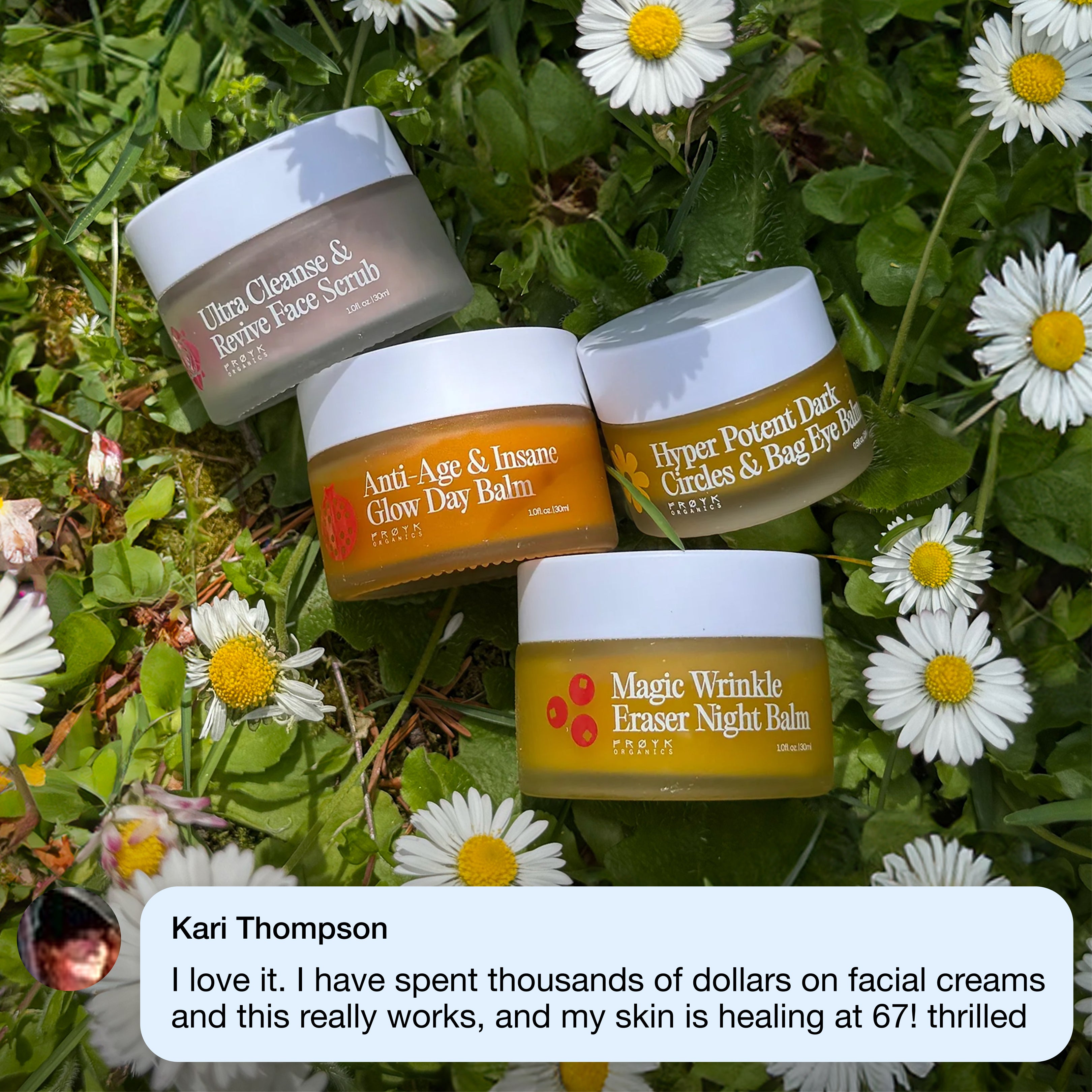
Plantas árticas silvestres selladas bajo cera de abeja orgánica. Cero agua, cero fragancia sintética. Cuatro bálsamos que alimentan tu barrera y cierran la hidratación, respaldados por una garantía de devolución de dinero de 60 días.
Compra el Sistema - $119Preguntas Frecuentes
¿Se aplica aceite facial antes o después del hidratante?+
¿Cuántas gotas de aceite facial debes usar?+
¿Un bálsamo es lo mismo que un aceite facial?+
¿Puede un bálsamo funcionar como tu paso de hidratación completo?+


