

 Cuenta


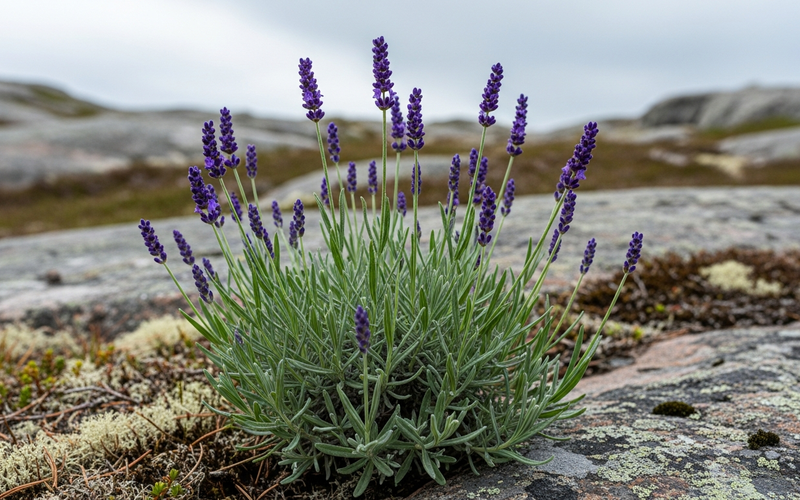
La mayoría de las personas asocia la lavanda con la relajación y nunca se plantea qué sucede cuando toca la piel directamente. Eso es una oportunidad perdida. El aceite de lavanda para la piel es uno de los botanicales más investigados para calmar el enrojecimiento, aliviar la piel seca y apoyar la reparación, lo que lo convierte en un destacado silencioso para la piel madura, sensible y propensa a la rosácea después de los 45.
El aceite de lavanda se obtiene por destilación al vapor de las flores de la planta de lavanda, un miembro de la familia de la menta. Lleva consigo un aroma calmante junto con compuestos activos que funcionan de verdad. Como remedio natural, tiene un largo historial, desde calmar pequeños cortes hasta servir como repelente de insectos.
La historia cuenta que el perfumista francés René-Maurice Gattefossé se quemó el brazo, lo sumergió en aceite de lavanda, y quedó sorprendido por lo rápido que cicatrizó. Ese momento ayudó a lanzar la aromaterapia moderna. A continuación, ocho beneficios del aceite de lavanda que más importan para la piel después de los 45, más cómo usarlo de forma segura.
1. Calma la Rosácea, el Eccema y el Enrojecimiento Crónico
La lavanda calma el enrojecimiento a nivel de compuestos, por eso es ideal para la piel reactiva que escuece con la mayoría de los productos. Los beneficios de la lavanda aquí provienen de química real, no de afirmaciones vagas sobre alivio.
Dos compuestos hacen el trabajo pesado: el linalol y el acetato de linalilo. En estudios de laboratorio, esta pareja ayudó a calmar la inflamación de la piel silenciando señales como NF-κB que impulsan brotes y enrojecimiento visible. La mayoría de esas pruebas hasta ahora provienen de investigación animal, así que tómalo como apoyo prometedor en lugar de prueba.
Estos compuestos también actúan como antioxidantes que ayudan a defender la piel contra los factores estresantes ambientales diarios como la contaminación. Esa suavidad es por qué la lavanda aparece tan a menudo en conversaciones sobre tratamiento natural de la rosácea para la piel después de los 45. También se clasifica entre los aceites esenciales más estudiados para la piel madura.
Usada en un nivel bajo y diluido, calma la piel reactiva en lugar de irritarla. Haz una prueba de parche primero si tu piel se irrita fácilmente.
2. Apoya la Barrera de la Piel Después de la Menopausia
El aceite de lavanda ayuda a apoyar la barrera conforme se adelgaza con la edad, lo que es una de sus cualidades más útiles para la piel madura. Los cambios en la piel después de los 45 no son aleatorios. Conforme cae el estrógeno, el colágeno se ralentiza y la barrera lipídica retiene menos humedad, por lo que la piel se siente más seca y reacciona más.
El consejo genérico de hidratar más trata solo la superficie. La lavanda funciona más profundamente. Sus compuestos calmantes alivian la inflamación de bajo grado que desgasta la barrera, y su textura ligera ayuda a que una capa lipídica adelgazada se sienta cómoda nuevamente.
Una barrera más fuerte retiene agua mejor y se ve más tranquila, que es la base de una piel de aspecto saludable a cualquier edad. Por eso la lavanda encaja en rutinas construidas para reparar una barrera de piel dañada.
Si tu piel ha retenido menos humedad desde tus 40, el aceite de lavanda es un buen apoyo para la comodidad diaria, especialmente donde la piel seca y la sensibilidad se solapan.
3. Calma con un Aroma Relajante
La lavanda actúa sobre tu piel y tu sensación de calma al mismo tiempo, lo que la distingue de la mayoría de los aceites tópicos. Su aroma suave y floral es uno de los olores más estudiados para la relajación.
Aplicada a la piel, sus compuestos calman la superficie. Respirados durante una rutina nocturna, ese mismo aroma calmante te ayuda a descomprimirte antes de dormir. Para la piel que se irrita por el estrés y el mal sueño, este confort dual es un pequeño pero real bonus.
Unos pocos respiros lentos con un bálsamo de lavanda por la noche es una forma fácil de usarlo.
Mejor para: Mujeres que experimentan brotes relacionados con el estrés, sueño interrumpido o piel apagada y cansada.
Evita si: Tienes una alergia conocida a la lavanda o sensibilidad de contacto al linalol.
4. Apoya la Cicatrización de Heridas y el Colágeno
El aceite de lavanda muestra un verdadero potencial de cicatrización de heridas, que los investigadores aún están mapeando. En investigación animal, el aceite de lavanda tópico ayudó a que las heridas se cerraran más rápido que en la piel sin tratar en los primeros días de cicatrización.
El estudio encontró que la lavanda elevó el colágeno tipo I y tipo III en el tejido de la piel al aumentar una señal de reparación llamada TGF-beta. Más colágeno y más células de reparación activas son exactamente lo que la piel necesita para reconstruirse después de pequeñas heridas o desgaste diario. Este apoyo en fase temprana ayuda a explicar el largo historial de la lavanda en bálsamos calmantes.
Para la piel madura, donde el colágeno natural disminuye aproximadamente el 1% anual después de los 30, ese apoyo suave es útil cuando los activos más fuertes causan irritación. Ten en cuenta que estos beneficios del aceite de lavanda provienen de primeros estudios animales, así que tómalo como apoyo cotidiano, no como solución para heridas profundas o condiciones médicas.
El veredicto: La lavanda no reemplazará los activos anti-envejecimiento más fuertes para arrugas profundas. Sus propiedades de apoyo al colágeno y reparación de tejidos aún la hacen una adición valiosa a una rutina de piel madura, especialmente si esos activos más fuertes irritan tu piel. La investigación es prometedora, aunque aún se necesitan más ensayos clínicos humanos de alta calidad.
5. Desvanece las Manchas Oscuras y Uniformiza el Tono de la Piel con el Tiempo
El aceite de lavanda no blanquea la piel ni inhibe la melanina como lo hace la hidroquinona. Su enfoque para las manchas oscuras es más lento, pero funciona a través de tres caminos diferentes a la vez, y eso importa para resultados a largo plazo.
Esto es especialmente relevante para las mujeres mayores de 45, donde décadas de exposición solar acumulada se encuentran con cambios hormonales que hacen que la pigmentación sea más rebelde. Esos antioxidantes son la razón por la que la lavanda mantiene la piel luciendo más brillante y de tono uniforme, particularmente para la pigmentación ligada al envejecimiento, cicatrices y daño solar.
Establece expectativas realistas. No verás un aclarado de la noche a la mañana. Empareja la lavanda con aceite de semilla de rosa mosqueta, rico en vitamina A natural, y espino amarillo, que lleva 190+ compuestos antioxidantes, para una mezcla potente contra manchas.
Aplica solo por la noche, después de la limpieza, y mantén la exposición prolongada al sol bajo control mientras las manchas se desvanecen.
Comparación rápida: Los sueros de vitamina C atacan las manchas oscuras más rápido pero pueden irritar la piel sensible y propensa a la rosácea. La lavanda es la opción de juego largo más suave para las mujeres cuya piel reacciona a activos despigmentantes más fuertes.
6. Alivia los Brotes y Equilibra el Sebo
La lavanda ayuda a calmar el ocasional brote adulto sin la sensación de sequedad de los activos fuertes contra el acné. Para la piel madura que es más seca en general pero aún tiene brotes en zonas, ese equilibrio importa.
Su suave cualidad antimicrobiana ayuda a limitar las bacterias que causan acné, mientras que su acción calmante tranquiliza el enrojecimiento alrededor de una espinilla. Lo hace sin despojar la piel, así que reequilibras en lugar de secar. Esto hace que la lavanda sea un buen ajuste para el patrón de parches secos más brotes común después de los 35, especialmente cuando el enrojecimiento y los brotes de acné aparecen juntos.
Esto es exactamente por qué el aceite de flor de lavanda se sienta en el Tratamiento Instantáneo contra Rosácea, Acné y Enrojecimiento, donde funciona junto a otros botanicales árticos en un bálsamo sin agua para aliviar el enrojecimiento visible en la piel reactiva.
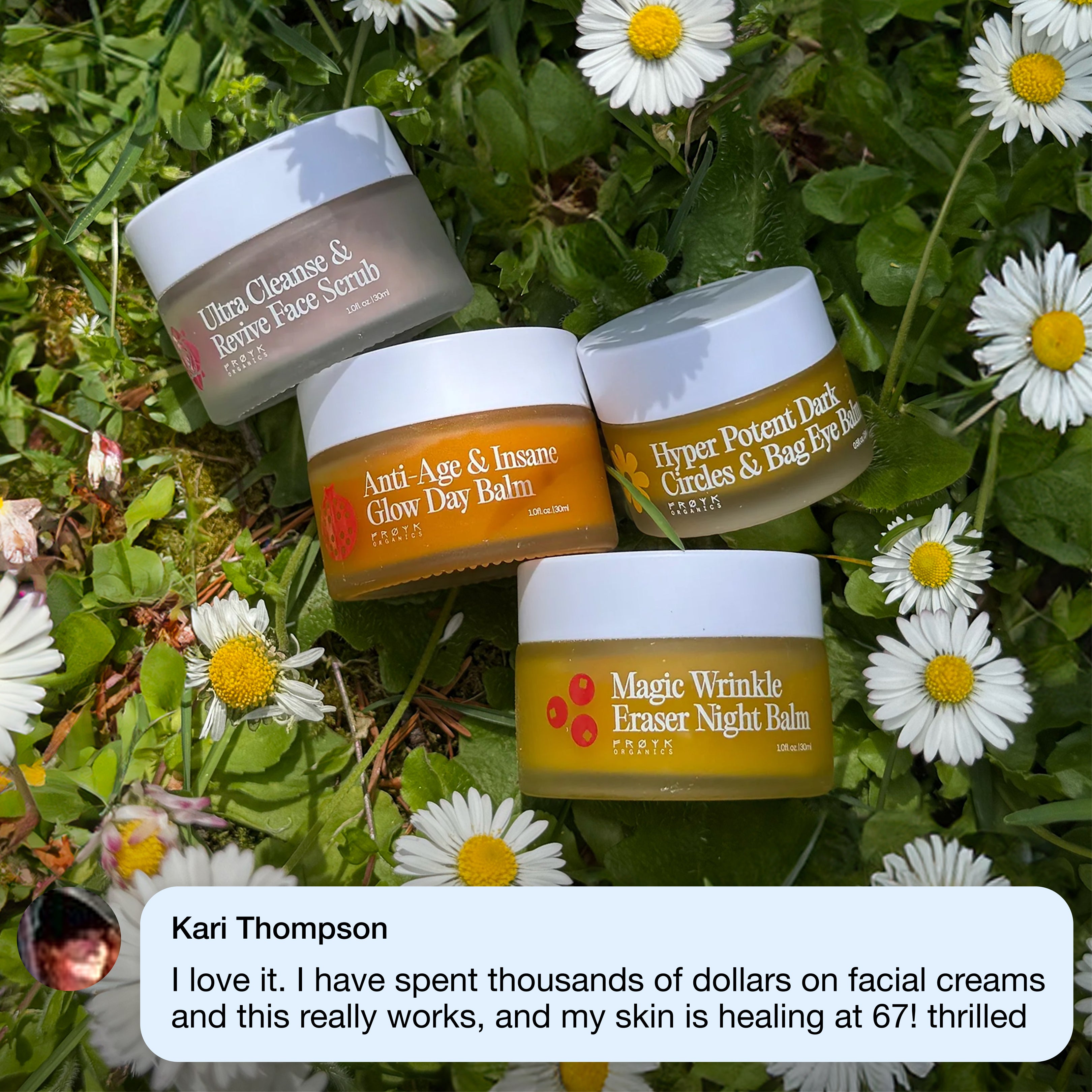
100% activos botánicos con espino amarillo como base. Sin agua, sin conservantes sintéticos. Garantía de devolución de dinero en 60 días.
Compra el Sistema - $1197. Se Empareja con el Aceite Portador Correcto para tu Preocupación Específica de la Piel
Elegir el aceite portador correcto es tan importante como la lavanda misma. El aceite portador equivocado puede cancelar los beneficios de la lavanda o introducir nuevos problemas para la piel reactiva.
El aceite esencial de lavanda nunca se aplica sin diluir a tu cara. El aceite portador que elijas determina la mitad del resultado. Aquí hay una guía de referencia rápida emparejada con preocupaciones específicas de la piel:
- Piel madura o envejecida: Aceite de jojoba más vitamina E. La jojoba imita el sebo natural de tu piel, lo que la hace anti-inflamatoria y bien tolerada. La vitamina E apoya la protección del colágeno y mantiene la elasticidad.
- Piel rosácea o sensible: Aceite de jojoba, por sus propiedades anti-inflamatorias que imitan el sebo.
- Piel seca o propensa al eccema: Aceite de almendra dulce o aceite de aguacate. Ambos son ricos en ácidos grasos que proporcionan hidratación profunda sin irritar una barrera comprometida.
- Piel grasa o propensa al acné: Una base de jojoba ligera, que equilibra la producción de sebo sin pesadez.
- Hiperpigmentación y manchas oscuras: Aceite de semilla de rosa mosqueta, por su vitamina A, más espino amarillo y sus 190+ compuestos antioxidantes. Aplica solo por la noche.
Almacena tus mezclas en botellas de vidrio ámbar oscuro o azul cobalto, lejos del calor y la luz solar. Las mezclas almacenadas correctamente mantienen su potencia de uno a dos meses. Después de eso, la oxidación degrada los compuestos activos y puede causar irritación de la piel.
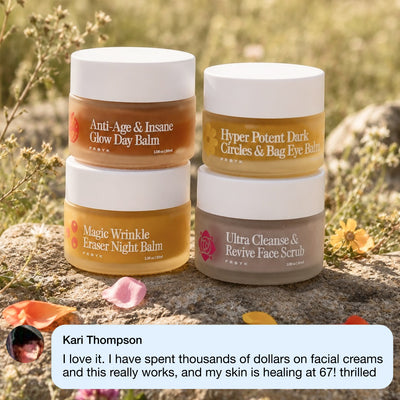
Para resultados constantes sin adivinanzas, los bálsamos de Frøya para la piel propensa al enrojecimiento entregan estos botanicales en una base sin agua y sin rellenos.
La lavanda no es solo para la cara, tampoco. Su naturaleza calmante también conviene al cuero cabelludo, y algunas investigaciones tempranas exploran si puede ayudar a estimular el crecimiento del cabello aliviando la irritación, así que un cuero cabelludo tranquilo apoya la apariencia de un cabello más saludable.
8. Cómo Identificar la Verdadera Lavanda y Evitar Productos Adulterados
No todas las botellas etiquetadas como lavanda contienen lavanda. La brecha de suministro es lo suficientemente amplia como para que la adulteración sea la norma en lugar de la excepción.
Tres especies importan para los compradores de cuidado de la piel. Lavandula angustifolia (verdadera lavanda) tiene menos de 0.5% de alcanfor y es calmante y anti-inflamatoria. Lavandula latifolia (lavanda puntiaguda) tiene mayor contenido de alcanfor y un perfil más medicinal.
Lavandula x intermedia (lavandin) es el híbrido de los dos, con 6 a 8.5% de alcanfor, lo que la hace estimulante en lugar de calmante.
La verdadera lavanda produce solo 40 kg por hectárea versus los 120 kg por hectárea del lavandin. Esa diferencia de rendimiento explica tanto la brecha de precio como el incentivo para adulterar. Protégete con estas verificaciones:
- Verifica el nombre botánico. La etiqueta debe decir Lavandula angustifolia, no "aceite de lavanda" o Lavandula x intermedia.
- Evalúa el precio. La verdadera lavanda produce solo 40 kg por hectárea con una tasa de extracción de 1 a 1.5%. Si el precio parece sorprendentemente asequible, probablemente estés comprando lavandin.
- Solicita el informe GC-MS. Una prueba de Cromatografía de Gases-Espectrometría de Masas debe mostrar acetato de linalilo al 25 a 45% y alcanfor al rastro a 0.5%. Los proveedores reputables publican estos informes o los proporcionan bajo solicitud.
- Confía en tu nariz. La verdadera lavanda huele dulce, floral y ligeramente afrutada. El lavandin huele más agudo y medicinal.
- Considera la lavanda búlgara de gran altitud. Cultivada por encima de 1,500 metros, produce mayor contenido de acetato de linalilo (30 a 46%) y un perfil más suave. El estrés de la altitud fuerza a la planta a producir más ésteres, los compuestos más vinculados a efectos calmantes y anti-inflamatorios.
El veredicto: Si la etiqueta no dice Lavandula angustifolia y el precio parece demasiado bueno, probablemente lo sea. Solicita el informe GC-MS o pasa al siguiente.
Plantas árticas silvestres selladas bajo cera de abeja orgánica. Sin agua, sin fragancia sintética. Cuatro bálsamos que sellan la humedad en la piel madura de mañana a noche, respaldados por una garantía de devolución de dinero en 60 días.
Compra el Sistema - $119Frequently Asked Questions
¿Puedo usar aceite de lavanda en mi rostro todos los días?+
¿Qué hace el aceite de lavanda en tu piel?+
¿Cuándo no deberías usar aceite de lavanda?+
¿Es el aceite de lavanda bueno para la piel envejecida?+
¿Cuál es el mejor aceite para sanar la piel?+


