

 Account


Your hair feels drier than it did a few years ago, and no bottle on the shelf seems to fix it. Argan oil keeps coming up as the answer, so here is the straight version.
Argan oil is good for your hair, but mostly as a protector and conditioner, not a hair growth cure. It smooths frizz, adds shine, and shields strands from heat, color, and daily damage, thanks to its fatty acids and vitamin E. It works on skin too, where it supports the barrier and adds moisture.
Here is what argan oil for hair can really do, backed by research and not marketing.
Key Takeaways
- Argan oil protects more than it grows. No solid research shows it regrows hair.
- It smooths and shields. Fatty acids and vitamin E tame frizz and guard against heat and color damage.
- A little goes a long way. A few drops is enough, and too much looks greasy.
- Hair type sets the amount. Fine hair needs less, thick and curly hair can take more.
- It helps skin too. Argan oil supports the barrier and boosts moisture, especially after 40.
What Is Argan Oil, and Why Is It Called Liquid Gold?
Argan oil is a plant oil pressed from the kernels of the argan tree, known by its botanical name Argania spinosa. It grows almost only in Morocco, where women have hand-harvested it for centuries.
The oil earned the name liquid gold for its color and its worth. Making one liter takes days of work, which is why pure argan oil sits at a higher price than most plant oils.
It has two lives. Culinary argan oil is a nutty finishing oil used in salad dressing and cooking, and it carries real health benefits for human health. Cosmetic argan oil, the kind for your hair and skin, is the one we are talking about here.
Is Argan Oil Good for Your Hair?

Yes. Argan oil is good for hair as a conditioner and a shield, though it works better for protection than for anything else.
The reason sits in its makeup. Argan oil is packed with fatty acids like oleic and linoleic acid, plus vitamin E and strong antioxidants. These fatty acids coat the hair shaft, lock in moisture, and keep hair moisturized and smooth.
Vitamin E and antioxidants add a protective layer that guards against damage caused by daily wear. That is the honest core of the argan oil benefits: softer, shinier, better-protected hair.
Can Argan Oil Grow Hair? What the Research Really Says
Argan oil will not sprout new hair, but it does something just as valuable: it protects and strengthens the hair you already have. That is where its real power sits.
Studies have not found strong proof that argan oil grows hair or reverses hair loss on its own. In fact, a medical review of argan oil found no meaningful evidence that it improves hair growth or quality. A study people often quote used vitamin E taken as a pill, not oil on the scalp, so it does not carry over.
What argan oil does do is cut down breakage. When your strands break less, you hold on to more of the hair you have, so it looks fuller and healthier over time. So the honest takeaway is hopeful: argan is one of the best ingredients for protecting your hair, even if it is not a growth cure.
Argan Oil Benefits for Hair
If protection is argan's job, here is what that looks like day to day. It builds a protective layer over the hair shaft that guards against heat, chemicals, and the wear of everyday styling.
Here is what the research and dermatologists point to:
- Heat and styling protection. The oils coat each strand and help shield hair from blow-dryers and flat irons.
- Less color and dye damage. A 2013 study found argan oil lowered damage in color treated hair after processing.
- Smoother, shinier strands. Argan oil helps tame flyaways, calm frizz, and add shine without a greasy feel.
- Softer-looking ends. It smooths the tips and masks the look of split ends, so hair looks healthier.
Cleveland Clinic dermatologists note that the fatty acids and antioxidants in argan oil work together to condition and protect hair damaged by heat and chemicals.
Argan Oil vs Coconut Oil for Hair
Argan oil and coconut oil both hydrate, but they behave very differently on hair.
Argan oil is lighter. It absorbs fast, adds silkiness, and suits most hair types without weighing hair down. Coconut oil is thicker and slower to sink in, so it can leave buildup and a greasy, heavy feel if you do not rinse it well.
Coconut oil works best on very dry or damaged hair that can handle the weight. For everyday shine, frizz control, and fine to normal hair, argan oil is the easier pick. This is also why good formulas blend argan with lighter plant oils, so you get moisture without the grease.
Which Hair Types Benefit Most from Argan Oil?
Argan oil is suitable for all hair types, but how much you use should match your hair.
- Fine hair. Use argan oil once or twice a week, and only a few drops, so strands do not look oily.
- Thick or coarse hair. You can use argan oil daily and reach for a slightly heavier amount.
- Curly hair. Argan oil helps curly hair by easing dryness and adding definition without crunch.
- Dry or damaged hair. A richer application restores softness and smooths rough texture.
One caution. If you have a tree nut allergy, patch test first, since argan comes from the kernels of the argan tree.
Frøya's Hair Care Essentials for Stronger, Fuller-Looking Hair
You can chase all of this with a generic bottle and a lot of trial and error. Or you can use a routine that already blends argan oil with other Arctic botanicals for you.
Frøya's Complete System for Mature Hair & Scalp puts argan oil to work the way the research supports, to protect, condition, and strengthen the hair you have. Instead of one oil doing everything, three steps handle cleansing, refreshing, and nourishing together.
Here is how each piece fits:
|
Step |
Product |
What It Does for Your Hair |
|
Cleanse |
Gently cleans the scalp without stripping it |
|
|
Refresh |
A light rosemary mist for fuller-looking hair |
|
|
Nourish |
Argan oil and vitamin E to repair, strengthen, and protect |
Every product is waterless and filler-free, so a small amount does the work. That is the difference between a single ingredient and a routine built to use it well.
How to Use Frøya's Hair Care Set the Right Way

A little goes a long way with waterless, filler-free formulas, so start small and build up only if you need to. Here is how to get the most from each step.
- Start with a clean scalp. Use the Magic Revive Hair & Scalp Shampoo like a normal shampoo, working it into the scalp, then rinse. Shake the bottle first, since the formula is concentrated.
- Refresh on damp hair. After washing, spray three to five spritzes of the Ultra Thickening & Growth Rosemary Water onto damp hair. Damp strands help the botanicals absorb and add body as hair dries.
- Nourish morning and night. Massage a small amount of the Hyper Potent Hair Growth Serum into your scalp, both morning and before bed. Focus on the scalp and roots, where it does the most good.
- Go easy on the amount. These formulas are potent, so a little does the work. Too much can leave hair looking greasy, especially if your scalp runs oily.
Give it a few weeks of steady use. Consistency matters more here than piling on product.
Argan Oil for Skin: Barrier Support and Elasticity
Argan oil is not only for hair. On skin, it supports the barrier and adds real moisture, which matters more after 40 when dry skin becomes common.
The fatty acids and vitamin E help with skin barrier repair effects, sealing in water and calming rough patches. Argan oil also has anti-inflammatory properties, so it can soothe dry, sensitive skin.
There is even research on firmness. A controlled study in postmenopausal women found that argan oil measurably improved skin elasticity over 60 days. For a formula that puts that to work on mature skin, Frøya's Anti-Age & Insane Glow Day Balm blends argan with sea buckthorn and beeswax.
How to Choose a Quality Argan Oil Product
If you want to buy argan oil on its own, quality matters more than price. The best argan oil is pure and barely processed.
Look for these signs:
- One ingredient. The label should read only Argania spinosa kernel oil, nothing else.
- Cold-pressed. Cold-pressed argan oil keeps the most nutrients and is the most effective.
- Dark glass bottle. This protects the oil from light so it does not go rancid.
- No added fragrance. Extra fragrance and fillers can irritate skin and scalp.
Plain pure argan oil is a solid single ingredient. Formulated argan oil products go further by pairing it with actives that target your goal, so you skip the guesswork.
Argan Oil Downsides and Safety Tips
Argan oil is gentle, but a few things are worth knowing before you slather it on.
- Too much looks greasy. Overuse weighs hair down. A few drops beats a handful.
- Go easy on an oily scalp. On oily scalps, heavy oil can feed the yeast behind dandruff, so use it lightly.
- Patch test first. If you have a tree nut allergy or sensitive skin, test a small area before full use.
For dry, itchy, or flaky scalps, argan oil can calm the dryness when you use it in small amounts. The trick is restraint, not more product.
This is also where a ready-made formula helps. A balanced blend takes the guesswork out of how much to use, so you get argan's benefits for your skin and hair without the mess of measuring drops or worrying about a greasy scalp.
What Consistent Organic Hair Care Can Do for Your Hair

Argan oil will not regrow a full head of hair overnight, and any product that promises that is not being honest with you. What it will do is protect, soften, and strengthen the hair you have, so it looks fuller and feels healthier.
The women below stuck with a simple, steady routine and gave their hair time. Their before and after photos show what patient, regular care can look like, not a quick fix.
Give your hair a few weeks of gentle, regular care, and let the results speak for themselves.
This article is for general information only and is not medical advice. Results from any skincare or haircare product vary from person to person. If you have a scalp condition, hair loss, or an allergy, talk with a doctor or dermatologist before starting something new.
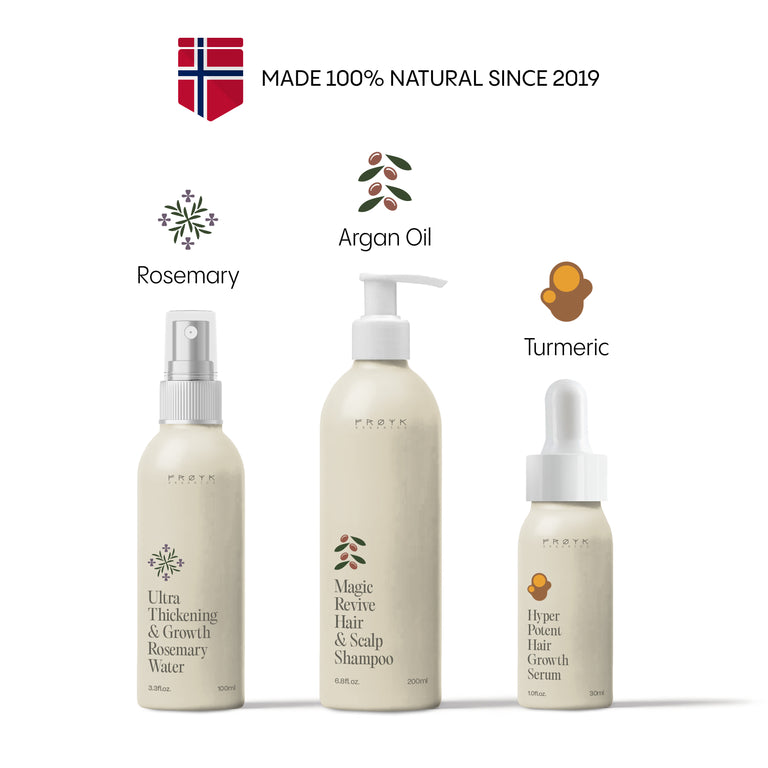
Three Arctic botanical steps that cleanse, refresh, and nourish. Argan oil, rosemary, and vitamin E protect the hair you have and help it look fuller, backed by a 60-day money-back guarantee.
Shop the System TodayFrequently Asked Questions
What does argan oil do for your hair?+
Do you put argan oil on wet or dry hair?+
Which is better, argan oil or rosemary oil?+
Why is my hair falling out after using argan oil?+


