

 Account


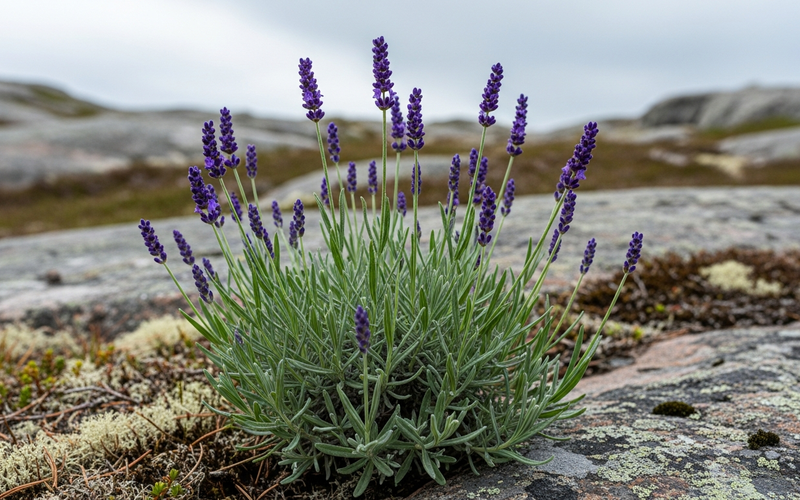
Most people file lavender under relaxation and never think about what it does when it touches skin directly. That is a missed opportunity. Lavender oil for skin is one of the most researched botanicals for calming redness, easing dry skin, and supporting repair, which makes it a quiet standout for mature, sensitive, rosacea-prone skin after 45.
Lavender oil is steam-distilled from the flowers of the lavender plant, a member of the mint family. It carries a soothing scent along with active compounds that do real work. As a natural remedy it has a long history, from calming minor cuts to serving as an insect repellent.
The story goes that French perfumer René-Maurice Gattefossé burned his arm, plunged it into lavender oil, and was struck by how fast it healed. That moment helped launch modern aromatherapy. Below are eight lavender oil benefits that matter most for skin over 45, plus how to use it safely.
1. Calms Rosacea, Eczema, and Chronic Redness
Lavender calms redness at the compound level, which is why it suits reactive skin that stings from most products. The benefits of lavender here come from real chemistry, not vague soothing claims.
Two compounds do the heavy lifting: linalool and linalyl acetate. In lab studies, this pair helped calm skin inflammation by quieting signals like NF-κB that drive flare-ups and visible redness. Most of that evidence so far comes from animal research, so treat it as promising support rather than proof.
These compounds also act as antioxidants that help defend skin against daily environmental stressors like pollution. That gentleness is why lavender appears so often in talk of natural rosacea treatment for skin over 45. It also ranks among the most studied essential oils for mature skin.
Used at a low, diluted level, it soothes reactive skin rather than irritating it. Patch test first if your skin flares easily.
2. Supports the Skin Barrier After Menopause
Lavender flower oil calms the reactivity that creeps in as skin thins with age. That kind of easily irritated, drier skin is what the best skincare for post-menopause is formulated for. Skin changes after 45 are not random. As estrogen drops, collagen slows and the lipid barrier holds less moisture, so skin feels drier and reacts more.
Generic advice to moisturize more treats only the surface. Lavender works deeper. Its calming compounds ease the low-grade inflammation that wears the barrier down, and its light texture helps a thinning lipid layer feel comfortable again.
A stronger barrier holds water better and looks calmer, which is the foundation of healthy looking skin at any age. This is why lavender fits routines built to repair a damaged skin barrier.
If your skin has held less moisture since your mid-40s, lavender oil is good support for daily comfort, especially where dry skin and sensitivity overlap.
3. Soothes With a Calming Scent
Lavender works on your skin and your sense of calm at the same time, which sets it apart from most topical oils. Its soft, floral aroma is one of the most studied scents for relaxation.
Applied to skin, its compounds calm the surface. Breathed in during an evening routine, that same soothing scent helps you unwind before bed. For skin that flares with stress and poor sleep, this dual comfort is a small but real bonus.
A few slow breaths with a lavender balm at night is an easy way to use it.
Best for: Women experiencing stress-related flare-ups, disrupted sleep, or dull, tired-looking skin.
Skip if: You have a known lavender allergy or contact sensitivity to linalool.
4. Supports Wound Healing and Collagen
Lavender oil shows real wound healing potential, which researchers are still mapping out. In animal research, topical lavender oil helped wounds close faster than untreated skin in the early days of healing.
The study found lavender raised type I and type III collagen in the skin tissue by increasing a repair signal called TGF-beta. More collagen and more active repair cells are exactly what skin needs to rebuild after small wounds or daily wear. This early-phase support helps explain lavender's long history in soothing balms.
For mature skin, where natural collagen drops by roughly 1% a year after age 30, that gentle support is useful when stronger actives cause irritation. Keep in mind these benefits of lavender oil come from early animal studies, so treat it as everyday support, not a fix for deep wounds or medical conditions.
The verdict: Lavender will not replace stronger anti-aging actives for deep wrinkles. Its collagen-supporting and tissue-repair properties still make it a valuable addition to a mature-skin routine, especially if those stronger actives irritate your skin. The research is promising, though more high-quality human clinical trials are still needed.
5. Fades Dark Spots and Evens Skin Tone Over Time
Lavender oil does not bleach skin or inhibit melanin the way hydroquinone does. Its approach to dark spots is slower, but it works through three different pathways at once, and that matters for long-term results.
This is especially relevant for women over 45, where decades of cumulative sun exposure meet hormonal changes that make pigmentation more stubborn. Those antioxidants are the reason lavender keeps skin looking brighter and more even-toned, particularly for pigmentation tied to aging, scarring, and sun damage.
Set realistic expectations. You will not see overnight lightening. Pair lavender with rosehip seed oil, rich in natural vitamin A, and sea buckthorn, which carries 190+ antioxidant compounds, for a potent dark-spot blend.
Apply in the evening only, after cleansing, and keep long sun exposure in check while marks are fading.
Quick comparison: Vitamin C serums target dark spots faster but can irritate sensitive and rosacea-prone skin. Lavender is the gentler long-game option for women whose skin reacts to stronger brightening actives.
6. Eases Breakouts and Balances Oil
Lavender helps calm the occasional adult breakout without the drying feel of strong acne actives. For mature skin that is drier overall yet still breaks out in zones, that balance matters.
Its gentle antimicrobial quality helps limit acne-causing bacteria, while its calming action settles the redness around a blemish. It does this without stripping the skin, so you rebalance instead of drying out. This makes lavender a good fit for the dry-patches-plus-breakouts pattern common after 35, especially when redness and acne breakouts appear together.
This is exactly why lavender flower oil sits in the Balm for Acne-Prone Skin, where it works alongside other Arctic botanicals in a waterless balm to ease visible redness on reactive skin.
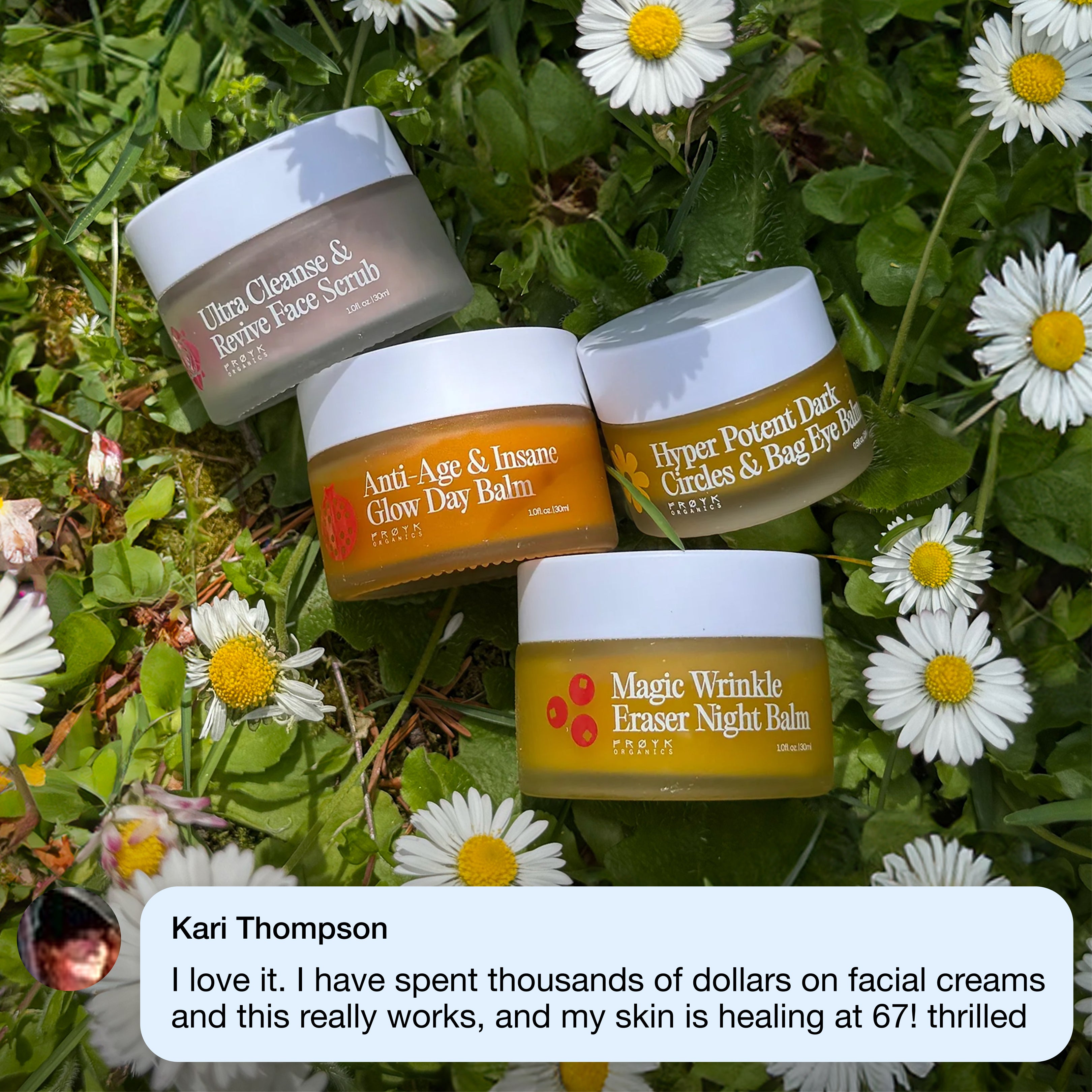
100% botanical actives with sea buckthorn as the foundation. Zero water, zero synthetic preservatives. 60-day money-back guarantee.
Shop the System - $1197. Pairs With the Right Carrier Oil for Your Specific Skin Concern
Choosing the right carrier oil is as important as the lavender itself. The wrong carrier can cancel out lavender's benefits or introduce new problems for reactive skin.
Lavender essential oil is never applied neat to your face. The carrier oil you choose determines half the outcome. Here is a quick-reference guide matched to specific skin concerns:
- Mature or aging skin: Jojoba oil plus vitamin E. Jojoba mimics your skin's natural sebum, making it anti-inflammatory and well-tolerated. Vitamin E supports collagen protection and maintains elasticity.
- Rosacea or sensitive skin: Jojoba oil, for its sebum-mimicking, anti-inflammatory properties.
- Dry or eczema-prone skin: Sweet almond oil or avocado oil. Both are rich in fatty acids that provide deep hydration without irritating a compromised barrier.
- Oily or acne-prone skin: A light jojoba base, which balances oil production without heaviness.
- Hyperpigmentation and dark spots: Rosehip seed oil, for vitamin A, plus sea buckthorn and its 190+ antioxidant compounds. Apply in the evening only.
Store your blends in dark amber or cobalt glass bottles, away from heat and sunlight. Properly stored blends maintain potency for one to two months. After that, oxidation degrades the active compounds and can cause skin irritation.
For steady results without the guesswork, Frøya's balms for redness-prone skin deliver these botanicals in a waterless, filler-free base.
Lavender is not only for the face, either. Its calming nature also suits the scalp, and some early research explores whether it can help stimulate hair growth by easing irritation, so a soothed scalp supports the look of healthier hair.
8. How to Spot True Lavender and Avoid Adulterated Products
Not every bottle labeled lavender contains lavender. The supply gap is wide enough that adulteration is the norm rather than the exception.
Three species matter for skincare buyers. Lavandula angustifolia (true lavender) has less than 0.5% camphor and is calming and anti-inflammatory. Lavandula latifolia (spike lavender) has higher camphor and a more medicinal profile.
Lavandula x intermedia (lavandin) is the hybrid of the two, with 6 to 8.5% camphor, making it stimulating rather than soothing.
True lavender yields only 40 kg per hectare versus lavandin's 120 kg per hectare. That yield difference explains both the price gap and the incentive to adulterate. Protect yourself with these checks:
- Check the botanical name. The label must say Lavandula angustifolia, not "lavender oil" or Lavandula x intermedia.
- Evaluate the price. True lavender yields only 40 kg per hectare with a 1 to 1.5% extraction rate. If the price seems surprisingly affordable, you are likely buying lavandin.
- Request the GC-MS report. A Gas Chromatography-Mass Spectrometry test should show linalyl acetate at 25 to 45% and camphor at trace to 0.5%. Reputable suppliers publish these reports or provide them on request.
- Trust your nose. True lavender smells sweet, floral, and slightly fruity. Lavandin smells sharper and more medicinal.
- Consider Bulgarian high-altitude lavender. Grown above 1,500 meters, it produces higher linalyl acetate content (30 to 46%) and a softer profile. The altitude stress forces the plant to produce more esters, the compounds most linked to calming and anti-inflammatory effects.
The verdict: If the label does not say Lavandula angustifolia and the price seems too good, it probably is. Request the GC-MS report or move on.
Wild Arctic botanicals sealed under organic beeswax. Zero water, zero synthetic fragrance. Four balms that seal moisture into mature skin from morning to night, backed by a 60-day money-back guarantee.
Shop the System - $119Frequently Asked Questions
Can I use lavender oil on my face every day?+
What does lavender oil do for your skin?+
When should you not use lavender oil?+
Is lavender oil good for aging skin?+
What is the best oil for healing skin?+


