

 Account


You did everything right. Cleansed, exfoliated, layered the serums everyone swears by. So why does your skin feel worse?
That tight, stingy, red, flaky mess in the mirror is not a sign you need more products. It is usually a sign your skin barrier is worn down and needs a break, not another step.
Here is the part nobody tells you. A damaged skin barrier heals on its own once you get out of its way, and you do not need a shelf of actives to fix it. You need the right lipids, time, and a routine that stops making things worse.
Your skin barrier runs on fats and oils, the same lipids a waterless, botanical routine gives back. This guide covers what your skin barrier actually is, how to tell when it is damaged, and how to repair it with a simple, gentle approach.
Key Takeaways
- Your skin barrier is the outermost layer of skin that locks moisture in and keeps irritants out.
- A healthy skin barrier feels calm, soft, and comfortable, with little redness or flaking.
- Signs of skin barrier damage cluster together: persistent dryness, stinging, redness, and sudden breakouts.
- Most damage is self-inflicted through over-exfoliation, harsh cleansers, and too many actives.
- Rebuilding takes patience, gentle care, and natural oils that refill the barrier's missing lipids.
What is the Skin Barrier?

Your skin barrier, also called the stratum corneum, is the outer layer of your skin. Think of it as a brick wall. It consists of corneocytes (the bricks) held together by a lipid matrix of ceramides, cholesterol, and fatty acids (the mortar). When that mortar is full and intact, your skin stays soft, hydrated, and protected.
That wall does a few big jobs. It prevents water loss and retains hydration, and it helps protect against UV damage and chemical exposure. It also acts as the frontline of your immune defense, keeping bacteria and irritants from getting in.
Researchers describe skin barrier function as the body's first line of defense, working alongside your skin's immune responses to keep irritants out. You can read the science in this skin barrier function study from the National Library of Medicine.
The Acid Mantle and Skin pH
Your barrier is slightly acidic, and that acidity matters more than most people think. This thin, acidic film is called the acid mantle.
A healthy skin barrier keeps harmful bacteria in check and helps the enzymes that repair your skin stay functioning properly. When harsh cleansers strip the acid mantle, that pH shifts toward alkaline, and healing slows down.
Signs of a Healthy Skin Barrier
A healthy skin barrier tells a simple story: your skin feels good and looks calm. You are not fighting it every morning.
Here is what a strong barrier usually looks and feels like:
- Skin feels comfortable and soft, not tight after washing.
- Smooth, even texture with little to no flaking.
- Calm tone, without random redness or irritation.
- Good tolerance to a simple skincare routine and gentle products.
When your skin reacts well to a basic routine, that is your barrier doing its job. Calm skin is skin healthy at its core.
What Does a Damaged Skin Barrier Look and Feel Like?
A damaged skin barrier rarely shows up as one single sign. It arrives as a cluster of symptoms that stick around and refuse to settle with your usual routine.
These are the signs your skin barrier needs help:
- Persistent dryness or tightness, even right after moisturizer.
- Stinging or sensitivity from products that used to feel fine.
- Redness or inflamed skin that will not calm down.
- Flaky, dry skin patches or a dull, tired look.
- Sudden breakouts with no clear cause.
Here is the honest test. If three or more of these show up at once, your barrier is likely compromised. One-off dryness is normal, but a lineup of symptoms that hangs around points to the barrier itself.
What Damages the Skin Barrier

Most skin barrier damage is not bad luck. It comes from everyday habits and environmental factors that strip the barrier faster than your skin can rebuild it.
Over Exfoliating and Harsh Cleansers
Over-exfoliation is the most common cause of a weak barrier, especially for people who love their skincare. Exfoliating acids and scrubs feel like they are doing something, and they are. The problem is they are often doing too much, stripping away the lipid mortar faster than skin can replace it.
Harsh cleansers with strong surfactants do the same quiet damage. They dissolve dirt, but they also wash away the free fatty acids and natural oils your barrier needs. The squeaky-clean feeling after a face wash is not clean skin. It is stripped skin.
The fix is simpler than most routines suggest. Trade the foaming, squeaky-clean wash for a gentle cleanser, and keep exfoliation to once or twice a week at most.
Moisture Loss, Hot Water, and Weather
Your barrier loses water all day through transepidermal water loss, or TEWL. When that moisture loss speeds up, skin turns dry, sensitive, and fragile.
A few common culprits make it worse:
- Hot water from long showers that melt away protective oils.
- Cold weather, wind, and dry air that pull moisture out.
- Sun exposure and pollution, which stress the surface daily.
Swapping hot water for lukewarm water is a small change with a real payoff. It is one of the easiest ways to protect a fragile barrier.
Too Many Active Ingredients
Layering strong actives is where good intentions go wrong. Retinol, vitamin C, and exfoliating acids can each help skin, but piling them on at once overwhelms the barrier and can cause more irritation than improvement.
Retinol can trigger flaking, redness, and stinging, especially on mature skin. Acids in high concentrations thin the barrier and leave it raw. And vitamin C at strong strengths can sting reactive skin rather than soothe it.
That does not make these actives useless. It means they need space, patience, and a strong barrier underneath, which is exactly what gets lost when you stack them.
How to Repair the Skin Barrier Naturally

Skin barrier repair follows a simple order: stop the damage, rebuild with lipids, then protect. You cannot repair a barrier while you are still stripping it every morning.
Here is the honest truth. A fancy barrier repair product layered on top of a damaging routine will not save you. The damage has to stop first.
Stop the Damage First
Before you add anything, take things away for two to four weeks. This is the reset that makes everything else work.
- Pause retinol, exfoliating acids, and scrubs completely.
- Switch to a gentle cleanser and lukewarm water only.
- Cut your routine down to the basics while skin settles.
Your skin's renewal cycle takes about a month and slows with age. So give it real time before you judge progress.
Rebuild With Barrier-Supporting Lipids
Once skin is calm, rebuild the mortar. The conventional route leans on lab-made ingredients: ceramides to replenish the lipid matrix, hyaluronic acid to boost hydration, niacinamide to support ceramide production, and glycerin or petrolatum to trap water.
Those can work, but nature does a similar job. Research shows plant oils help repair the barrier and lock in moisture, many with anti-inflammatory properties too, as shown in this review of plant oils for skin.
This is where botanical oils earn their place. Safflower, jojoba, and rosehip are high in linoleic acid and the fatty acids that help rebuild a weak barrier, and beeswax seals them in like skin's own shield. Our waterless skincare approach is built around this exact idea.
Protect Without Overdoing It
Protection matters, but a stressed barrier does better with less, not more. When skin is reactive, piling on extra products can set your progress back.
- Be sensible about strong sun exposure and avoid burning.
- Use shade, hats, and clothing as your first layer of defense.
- For longer time in strong sun, dermatologists suggest a mineral sunscreen with zinc oxide.
The goal is steady, gentle care. Keep the routine short while your skin settles, and add things back slowly once it feels calm again.
The Waterless Way to Support Your Skin Barrier

Here is what years of helping women with reactive skin has taught us. A struggling barrier does not want more water and more actives. It wants oils and wax that mimic the lipids it has lost, sealed gently into place.
That is the whole idea behind Frøya. Our balms are waterless, so every bit is active botanical oil and beeswax, with nothing to evaporate or irritate. Browse the full barrier repair sensitive skin collection to see the range.
Dry and Itchy Balm for Face and Body

This is the one to reach for when your barrier feels raw. Beeswax seals moisture in like your skin's own shield, which slows the water loss that makes dry, damaged skin feel worse.
Chamomile calms the stinging and redness that come with the damage. So it works on two fronts at once, locking moisture in and quieting the irritation.
Here is how to use it well.
- Apply a small fingertip amount to clean, dry skin.
- Use it morning and night while your barrier is healing, then as needed once it settles.
- Smooth it onto the spots that feel worst, like dry, tight, or flaking patches on your face or body.
Reach for this dry, itchy skin balm when your skin needs targeted comfort fast. Think of it as your first-aid step for a barrier in trouble.
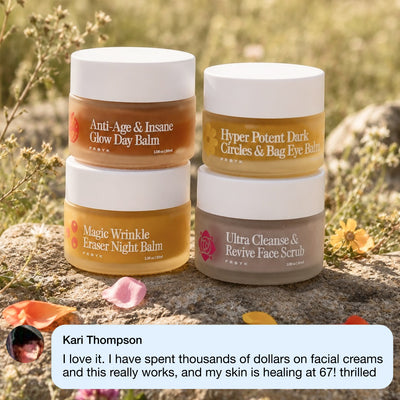
Anti-Age & Insane Glow Day Balm

Once skin feels calmer, this becomes your daytime step. This botanical day balm leads with squalane, safflower, and argan to deliver lightweight, breathable moisture that sits well under makeup.
Sea buckthorn and rosehip add antioxidants that help a recovering barrier stay comfortable through the day. It is lighter than the Dry and Itchy Balm, so it suits skin that has settled but still needs protection.
Here is how to work it into your mornings.
- Smooth a thin layer onto clean skin each morning.
- A little goes a long way, since the formula is waterless and concentrated.
- Use it daily once your barrier feels settled, not during an active, raw flare-up.
Here is the simple way to think about the two. The Dry and Itchy Balm is your targeted fix when skin is reacting, and the Day Balm is your steady, everyday layer once things have calmed down.
Every ingredient has a purpose, and none of it works against your skin. That is the difference between masking a problem and supporting real repair.
How Long Does Skin Barrier Repair Take?
Most barriers show real improvement within a few weeks of gentle care. More stubborn skin barrier dysfunction can take several weeks to a few months, especially if the damage is deep or long-standing.
This is where a simple, waterless routine helps. Because Frøya balms are concentrated botanical oils and beeswax, with no water, fillers, or harsh actives, they support repair without adding new irritation. That makes it easier to stay consistent, which is the single biggest factor in how fast your barrier heals.
The pattern is simple. As the stinging fades, the redness calms, and your skin stops feeling tight, the repair is working. Track your symptoms week by week and resist the temptation to add actives back too soon.
Patience is the hard part, but it is the part that works.
When to See a Dermatologist
Most barrier issues heal at home with time and gentle care. But some need a professional eye, and that is not a failure on your part.
Book a visit if you notice any of these:
- Worsening symptoms despite weeks of gentle care.
- Cracked, weeping, or badly inflamed skin.
- Itchy, spreading patches that could point to eczema or other certain skin conditions.
A dermatologist can rule out inflammatory conditions like atopic dermatitis and give you more advice built for your skin.
Your Skin Knows How to Heal, Give It the Right Support

Your barrier is not broken beyond repair. Give it calm, give it lipids, and give it time, and it rebuilds itself.
Stop stripping your skin, swap the harsh actives for a few botanical oils and beeswax, and protect it gently while it heals. The science is clear, and the approach is simple.
The women who move to a simple, waterless routine tell us the same thing again and again. Their skin finally feels like skin again. See their before-and-after results.
Simple, honest care wins. Your skin has been waiting for it.
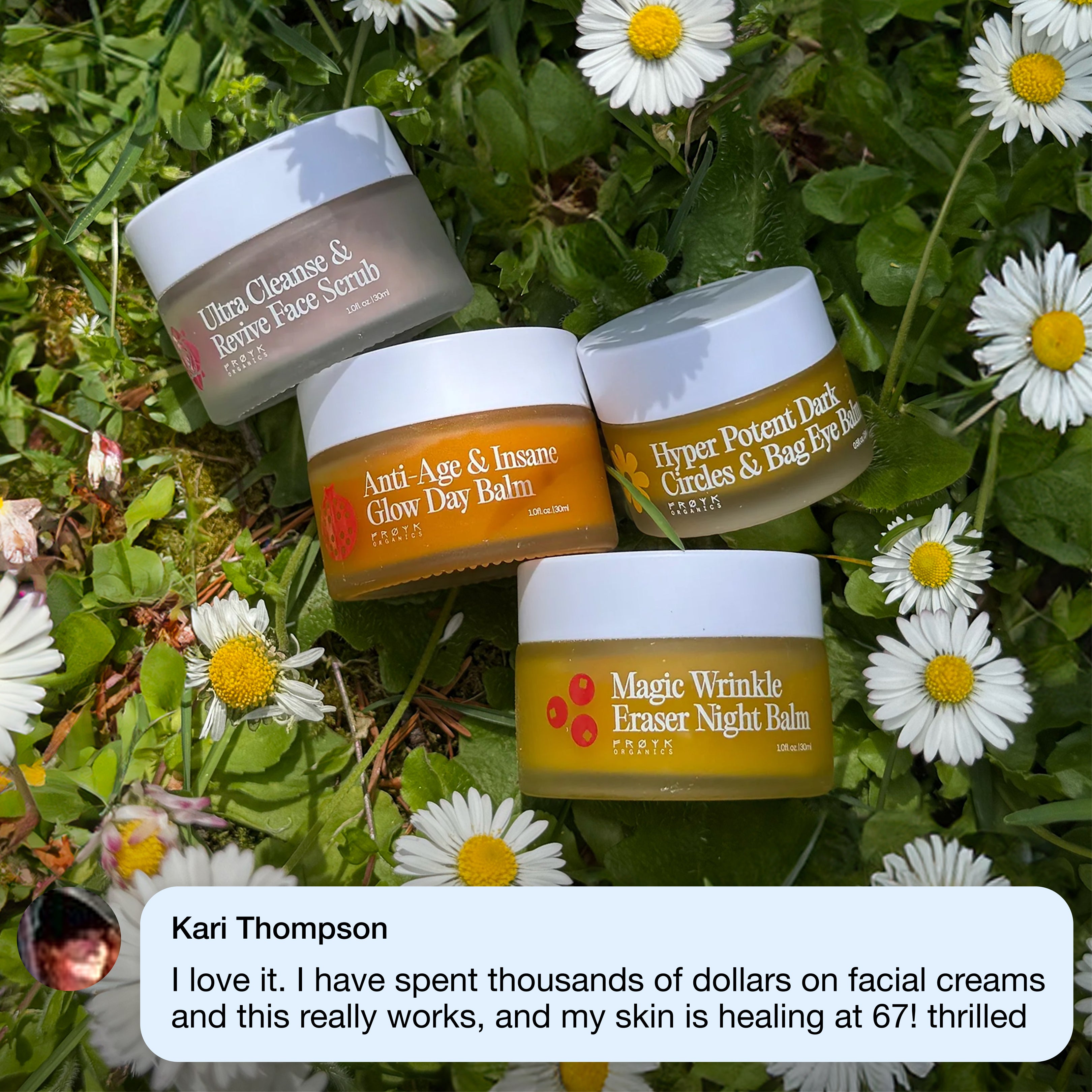
Wild Arctic botanicals and organic beeswax in a waterless four-step routine. Supports the skin barrier with lipids your skin recognizes, not actives that strip it. Backed by a 60-day money-back guarantee.
Shop the System TodayThis article is for general education only and is not medical advice. Frøya Organics balms are cosmetic products that support and soothe the skin. If you have a skin condition, speak with a dermatologist.
Veelgestelde Vragen
How do you know your skin barrier is damaged?+
What can destroy the skin barrier?+
What is the best way to repair the skin barrier?+
What vitamins repair the skin barrier?+
Can Frøya's Complete System help with acne or breakouts?+


