

 Account


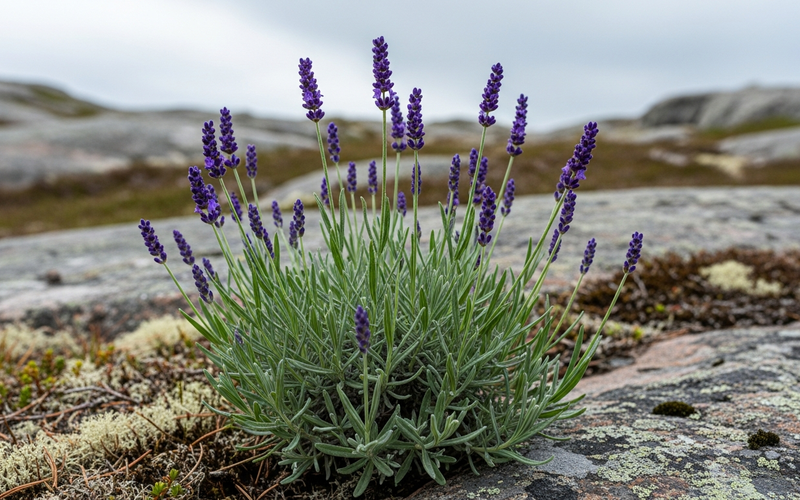
Die meisten Menschen ordnen Lavendel unter „Entspannung" ein und denken nie darüber nach, was seine Wirkstoffe bewirken, wenn sie direkt mit der Haut in Kontakt kommen. Das ist eine verpasste Chance. Lavendelöl für die Haut ist einer der am besten erforschten arktischen Wildpflanzen zum Beruhigen von Rötungen, zur Linderung trockener Haut und zur Unterstützung der Hautrepair – ein stilles Highlight für reife, empfindliche und zu Rosacea neigende Haut nach 45.
Lavendelöl wird durch Wasserdampfdestillation aus den Blüten der Lavendelpflanze gewonnen, einem Mitglied der Minzenfamilie. Es trägt einen beruhigenden Duft mit sich, zusammen mit aktiven Wirkstoffen, die echte Arbeit leisten. Als natürliches Mittel hat es eine lange Geschichte – von der Beruhigung kleiner Schnitte bis hin zur Verwendung als Insektenschutzmittel.
Die Geschichte besagt, dass der französische Parfümeur René-Maurice Gattefossé seinen Arm verbrannte, ihn in Lavendelöl tauchte und überrascht war, wie schnell er heilte. Dieser Moment trug dazu bei, die moderne Aromatherapie zu starten. Nachfolgend sind acht Lavendelöl-Vorteile aufgeführt, die für reife Haut ab 45 am wichtigsten sind, plus wie Sie es sicher anwenden.
1. Beruhigt Rosacea, Ekzeme und chronische Rötungen
Lavendel beruhigt Rötungen auf Wirkstoffebene, weshalb es sich für empfindliche Haut eignet, die von den meisten Produkten brennt. Die Hautvorteile von Lavendel kommen hier aus echter Chemie, nicht aus vagen Beruhigungsbehauptungen.
Zwei Wirkstoffe leisten die Hauptarbeit: Linalool und Linalylacetat. In Laborstudien halfen dieses Paar, Hautentzündungen zu beruhigen, indem sie Signale wie NF-κB stilllegten, die Schübe und sichtbare Rötungen vorantreiben. Der Großteil dieser Belege stammt bisher aus Tierforschung, daher sollten Sie sie eher als vielversprechende Unterstützung denn als Beweis betrachten.
Diese Wirkstoffe wirken auch als Antioxidantien, die die Haut gegen alltägliche Umweltstressoren wie Verschmutzung schützen. Diese Sanftheit ist der Grund, warum Lavendel so häufig in Diskussionen über natürliche Rosacea-Behandlung für reife Haut auftaucht. Es zählt auch zu den am meisten erforschten ätherischen Ölen für reife Haut.
In niedriger, verdünnter Dosierung beruhigt es empfindliche Haut, anstatt sie zu reizen. Führen Sie zuerst einen Pflastertest durch, wenn Ihre Haut leicht überreagiert.
2. Unterstützt die Hautbarriere nach den Wechseljahren
Lavendelöl trägt dazu bei, die Hautbarriere zu unterstützen, während sie mit dem Alter dünner wird – eine der wertvollsten Eigenschaften für reife Haut. Hautveränderungen nach 45 sind nicht zufällig. Mit sinkendem Östrogen verlangsamt sich die Kollagenproduktion und die Lipidbarriere speichert weniger Feuchtigkeit, daher fühlt sich die Haut trockener an und reagiert stärker.
Allgemeine Empfehlungen, mehr Feuchtigkeitspflege zu verwenden, behandeln nur die Oberfläche. Lavendel wirkt tiefer. Seine beruhigenden Wirkstoffe lindern die niedriggradige Entzündung, die die Barriere abbaut, und seine leichte Textur hilft einer dünner werdenden Lipidschicht, sich wieder angenehm anzufühlen.
Eine stärkere Barriere speichert Wasser besser und wirkt ruhiger – das ist die Grundlage für gesund aussehende Haut in jedem Alter. Deshalb passt Lavendel zu Routinen, die zum Reparieren einer beschädigten Hautbarriere entwickelt wurden.
Wenn Ihre Haut seit Ihren mittleren 40ern weniger Feuchtigkeit speichert, ist Lavendelöl eine gute Unterstützung für den täglichen Komfort, besonders dort, wo trockene Haut und Empfindlichkeit sich überlappen.
3. Beruhigt mit einem sanften Duft
Lavendel wirkt gleichzeitig auf Ihre Haut und Ihr Wohlbefinden, was ihn von den meisten topischen Ölen unterscheidet. Sein sanfter, blumiger Duft ist einer der am meisten erforschten Düfte zur Entspannung.
Auf die Haut aufgetragen beruhigen seine Wirkstoffe die Hautoberfläche. Eingeatmet während einer abendlichen Routine hilft dieser gleiche beruhigende Duft Ihnen, vor dem Schlafengehen herunterzufahren. Für Haut, die durch Stress und schlechten Schlaf ausgelöst wird, ist dieser doppelte Komfort ein kleiner, aber echter Bonus.
Ein paar langsame Atemzüge mit einem Lavendelbalsam am Abend ist eine einfache Möglichkeit, ihn zu nutzen.
Am besten geeignet für: Frauen, die stressbedingte Schübe, gestörten Schlaf oder fahle, müde wirkende Haut erleben.
Verzichten Sie, wenn: Sie eine bekannte Lavendelallergie oder Kontaktsensibilität gegenüber Linalool haben.
4. Unterstützt die Wundheilung und Kollagenproduktion
Lavendelöl zeigt echtes Wundheilungspotenzial, das Forscher noch kartieren. In Tierforschung half topisches Lavendelöl Wunden in den frühen Heilungstagen schneller zu schließen als unbehandelte Haut.
Die Studie ergab, dass Lavendel Kollagen vom Typ I und III in Hautgewebe erhöhte, indem es ein Reparatursignal namens TGF-beta verstärkte. Mehr Kollagen und mehr aktive Reparaturzellen sind genau das, was Haut braucht, um sich nach kleinen Wunden oder täglicher Abnutzung zu reparieren. Diese Unterstützung in der frühen Phase erklärt Lavendels lange Geschichte in beruhigenden Balsamen.
Für reife Haut, wo natürliches Kollagen nach dem 30. Lebensjahr grob um etwa 1% pro Jahr sinkt, ist diese sanfte Unterstützung hilfreich, wenn stärkere Wirkstoffe Reizungen verursachen. Denken Sie daran, dass diese Hautvorteile von Lavendelöl aus frühen Tierstudien stammen, daher sollten Sie es als alltägliche Unterstützung, nicht als Fix für tiefe Wunden oder medizinische Zustände betrachten.
Das Fazit: Lavendel wird Wirkstoffe stärkerer Anti-Aging-Produkte nicht ersetzen bei tiefen Falten. Seine kollagenunterstützenden und Gewebereparatur-Eigenschaften machen es immer noch zu einer wertvollen Ergänzung einer Routine für reife Haut, besonders wenn diese stärkeren Wirkstoffe Ihre Haut reizen. Die Forschung ist vielversprechend, obwohl noch mehr hochwertige klinische Studien am Menschen benötigt werden.
5. Lässt dunkle Flecken verblassen und gleicht den Hautton mit der Zeit aus
Lavendelöl bleicht die Haut nicht und hemmt Melanin nicht so wie Hydrochinon. Sein Ansatz bei dunklen Flecken ist langsamer, aber es wirkt gleichzeitig über drei verschiedene Wege, und das ist für langfristige Ergebnisse entscheidend.
Das ist besonders relevant für Frauen über 45, bei denen jahrzehntelange kumulative Sonneneinwirkung auf hormonelle Veränderungen trifft, die Pigmentierung hartnäckiger machen. Diese Antioxidantien sind der Grund, warum Lavendel die Haut heller und gleichmäßiger aussehen lässt, besonders bei Pigmentierung, die mit Alterung, Narbenbildung und Sonnenschäden verbunden ist.
Setzen Sie sich realistische Erwartungen. Sie werden keine Aufhellung über Nacht sehen. Kombinieren Sie Lavendel mit Hagebuttenkernöl, reich an natürlichem Vitamin A, und Sanddorn mit seinen 190+ antioxidativen Wirkstoffen für eine potente Mischung gegen dunkle Flecken.
Tragen Sie es nur abends nach der Reinigung auf und halten Sie lange Sonneneinstrahlung in Schach, während Flecken verblassen.
Kurzer Vergleich: Vitamin-C-Seren bekämpfen dunkle Flecken schneller, können aber empfindliche und zu Rosacea neigende Haut reizen. Lavendel ist die sanftere Langzeitoption für Frauen, deren Haut auf stärkere Aufhellungswirkstoffe reagiert.
6. Beruhigt Unreinheiten und gleicht Öl aus
Lavendel trägt dazu bei, gelegentliche Unreinheiten bei Erwachsenen zu beruhigen, ohne das austrocknende Gefühl starker Akne-Wirkstoffe. Für reife Haut, die insgesamt trockener ist, aber in bestimmten Zonen noch ausbricht, ist diese Balance wichtig.
Seine sanfte antimikrobielle Qualität trägt dazu bei, aknefördernde Bakterien zu begrenzen, während seine beruhigende Wirkung die Rötung um Unreinheiten lindert. Dies geschieht, ohne die Haut auszutrocknen, daher gleichen Sie ab, anstatt auszutrocknen. Dies macht Lavendel gut geeignet für das Muster aus trockenen Stellen plus Unreinheiten, das häufig nach 35 auftritt, besonders wenn Rötung und Akne-Ausbrüche zusammen auftreten.
Genau deshalb sitzt Lavendelblütenöl in der Soforthilfe bei Akne, Rosazea & Rötungen, wo es zusammen mit anderen arktischen Wildpflanzen in einem wasserfreien Balsam funktioniert, um sichtbare Rötung auf empfindlicher Haut zu lindern.
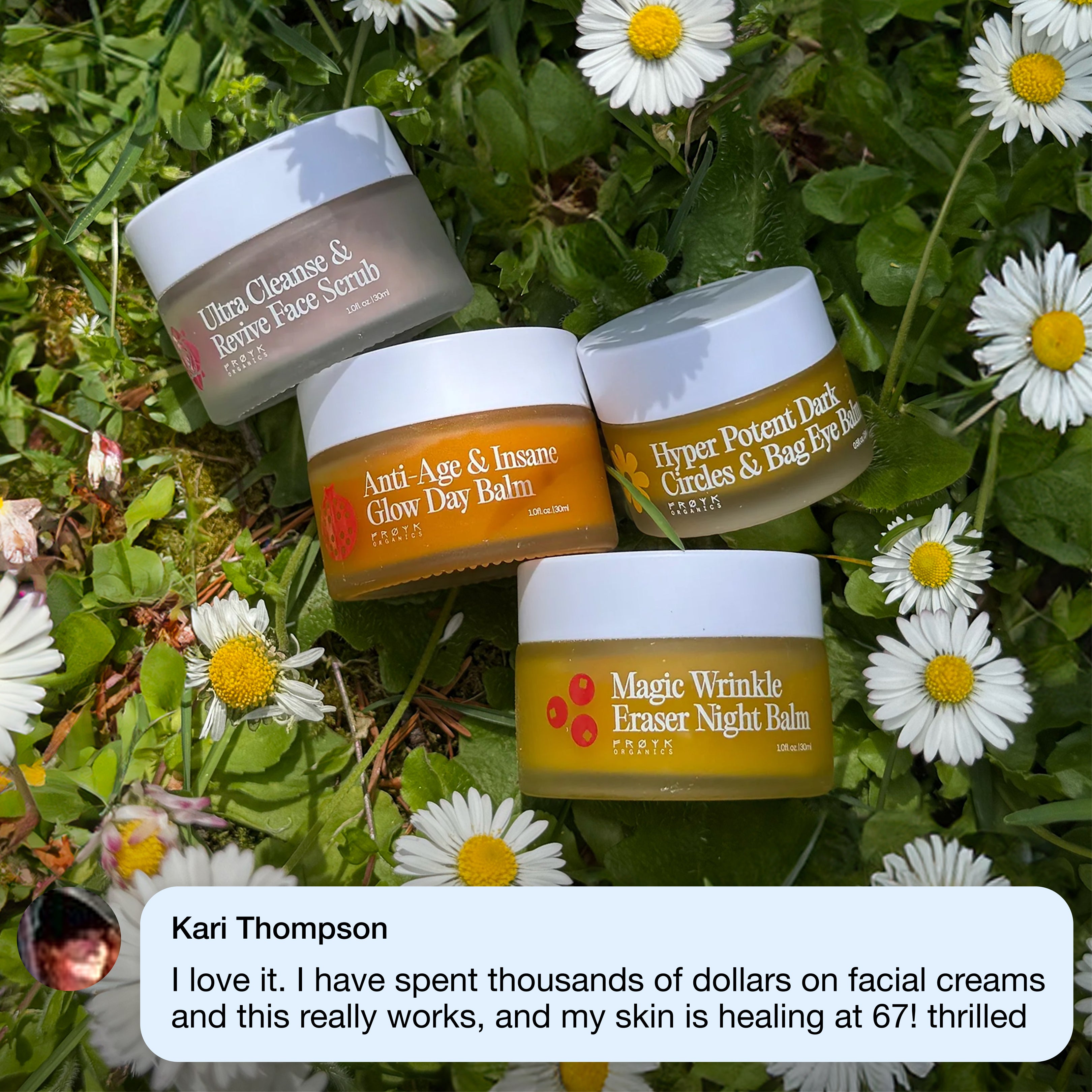
100% botanische Wirkstoffe mit Sanddorn als Grundlage. Null Wasser, null künstliche Konservierungsstoffe. 60-Tage-Geld-zurück-Garantie.
Jetzt das System kaufen - $1197. Kombinieren Sie mit dem richtigen Trägeröl für Ihr spezifisches Hautanliegen
Die Wahl des richtigen Trägeröls ist ebenso wichtig wie der Lavendel selbst. Das falsche Trägeröl kann die Vorteile von Lavendel zunichtemachen oder neue Probleme für empfindliche Haut verursachen.
Ätherisches Lavendelöl wird niemals unverdünnt auf Ihr Gesicht aufgetragen. Das Trägeröl, das Sie wählen, bestimmt die Hälfte des Ergebnisses. Hier ist ein schneller Leitfaden, der auf spezifische Hautanliegen abgestimmt ist:
- Reife oder alternde Haut: Jojobaöl plus Vitamin E. Jojoba ahmt Ihren natürlichen Talg nach, wodurch es entzündungshemmend und gut verträglich wird. Vitamin E unterstützt den Kollagenschutz und erhält die Elastizität.
- Rosacea oder empfindliche Haut: Jojobaöl, wegen seiner talgnachahmenden, entzündungshemmenden Eigenschaften.
- Trockene oder zu Ekzemen neigende Haut: Süßmandelöl oder Avocadoöl. Beide sind reich an Fettsäuren, die tiefe Feuchtigkeit spenden, ohne eine beeinträchtigte Barriere zu reizen.
- Ölige oder zu Akne neigende Haut: Eine leichte Jojobaöl-Basis, die die Ölproduktion ausgleicht, ohne Schwere.
- Hyperpigmentierung und dunkle Flecken: Hagebuttenkernöl für Vitamin A, plus Sanddorn und seine 190+ antioxidativen Wirkstoffe. Nur abends auftragen.
Lagern Sie Ihre Mischungen in dunklen Bernstein- oder Kobaltglasflaschen, fern von Hitze und Sonnenlicht. Richtig gelagerte Mischungen behalten ihre Wirksamkeit für ein bis zwei Monate. Danach baut Oxidation die aktiven Wirkstoffe ab und kann Hautreizungen verursachen.
Um beständige Ergebnisse ohne Rätselraten zu erreichen, liefern Frøyas Balsame für rötungsanfällige Haut diese Wildpflanzen in einer wasserfreien, fillerfreien Basis.
Lavendel ist nicht nur für das Gesicht. Seine beruhigende Natur eignet sich auch für die Kopfhaut, und einige frühe Forschungen untersuchen, ob es das Haarwachstum stimulieren kann, indem es Reizungen lindert, daher unterstützt eine beruhigte Kopfhaut das Aussehen von gesünderem Haar.
8. So erkennen Sie echten Lavendel und vermeiden verfälschte Produkte
Nicht jede Flasche mit der Bezeichnung Lavendel enthält Lavendel. Die Versorgungslücke ist groß genug, dass Verfälschung die Regel und nicht die Ausnahme ist.
Drei Arten sind für Hautpflege-Käuferinnen relevant. Lavandula angustifolia (echter Lavendel) hat weniger als 0,5% Kampfer und ist beruhigend und entzündungshemmend. Lavandula latifolia (Speiklavendel) hat höheren Kampfer und ein eher medizinisches Profil.
Lavandula x intermedia (Lavandin) ist die Hybride beider, mit 6 bis 8,5% Kampfer, was sie eher anregend als beruhigend macht.
Echter Lavendel ergibt nur 40 kg pro Hektar gegenüber Lavandins 120 kg pro Hektar. Dieser Ertragsunterschied erklärt sowohl die Preislücke als auch den Anreiz zur Verfälschung. Schützen Sie sich mit diesen Überprüfungen:
- Überprüfen Sie den botanischen Namen. Das Etikett muss Lavandula angustifolia sagen, nicht „Lavendelöl" oder Lavandula x intermedia.
- Bewerten Sie den Preis. Echter Lavendel ergibt nur 40 kg pro Hektar bei einer Extraktionsrate von 1 bis 1,5%. Wenn der Preis überraschend günstig scheint, kaufen Sie wahrscheinlich Lavandin.
- Fordern Sie den GC-MS-Bericht an. Ein Gaschromatographie-Massenspektrometrie-Test sollte Linalylacetat bei 25 bis 45% und Kampfer bei Spuren bis 0,5% zeigen. Seriöse Anbieter veröffentlichen diese Berichte oder stellen sie auf Anfrage bereit.
- Vertrauen Sie Ihrer Nase. Echter Lavendel riecht süß, blumig und leicht fruchtig. Lavandin riecht schärfer und medizinischer.
- Erwägen Sie bulgarischen Höhenlavendel. Über 1.500 Metern angebaut, produziert er höheren Linalylacetat-Gehalt (30 bis 46%) und ein sanfteres Profil. Der Höhenstress zwingt die Pflanze, mehr Ester zu produzieren, die Wirkstoffe, die am stärksten mit beruhigenden und entzündungshemmenden Effekten verbunden sind.
Das Fazit: Wenn das Etikett nicht Lavandula angustifolia sagt und der Preis zu gut ist, um wahr zu sein, ist er es wahrscheinlich auch. Fordern Sie den GC-MS-Bericht an oder suchen Sie weiter.
Arktische Wildpflanzen versiegelt unter Bio-Bienenwachs. Null Wasser, null künstliche Duftstoffe. Vier Balsame, die Feuchtigkeit in reifen Hautzellen von Morgen bis Nacht versiegeln, gestützt durch eine 60-Tage-Geld-zurück-Garantie.
Jetzt das System kaufen - $119Frequently Asked Questions
Kann ich Lavendelöl täglich im Gesicht anwenden?+
Was bewirkt Lavendelöl für Ihre Haut?+
Wann sollten Sie Lavendelöl nicht verwenden?+
Ist Lavendelöl gut für alternde Haut?+
Welches ist das beste Öl zur Hautpflege?+


