

 Account


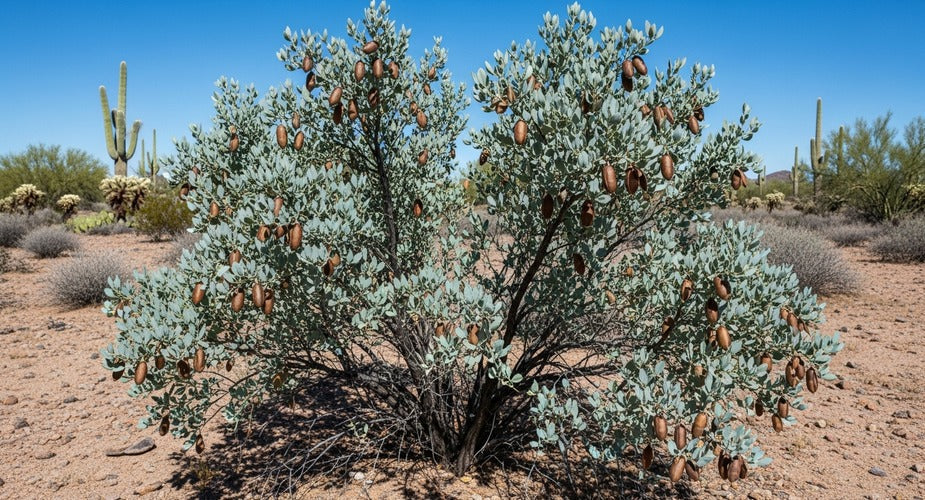
Hier ist die Tatsache, die in kaum einem Jojoba-Artikel erwähnt wird: Ihre Talgproduktion sinkt mit dem Alter deutlich, und der steilste Rückgang findet im ersten Jahrzehnt nach den Wechseljahren statt. Doch die Jojobaöl-Ratgeber für die Haut, die ich immer wieder las, waren für Teenager mit Akne geschrieben, und keiner erwähnte das.
Ihre Haut versagt nicht. Ihr geht einfach das eigene natürliche Sebum aus, der eingebaute Feuchtigkeitspfleger, den sie nicht mehr ausreichend produziert.
Diese eine Veränderung ist der Grund, warum Jojoba nach 45 wichtiger ist als in jedem anderen Lebensalter. Seine Wachsester-Chemie macht es zu dem einzigen Pflanzenöl, das Ihre Haut tatsächlich als Talg erkennt.
Ich werde es nicht als Wundermittel bezeichnen oder Kollagen versprechen, das es nicht liefern kann. Hier ist, was die Forschung tatsächlich zeigt: wo Jojoba einer postmenopausalen Barriere hilft und wo es enttäuscht, wenn Sie zu viel von einer Flasche Öl erwarten.
Jojoba ist eigentlich gar kein Öl (und warum das wichtig ist)
Jojobaöl ist kein Öl. Es ist ein flüssiges Wachs, und genau das ist der Grund, warum es sich anders verhält als jede andere Flasche in Ihrem Schrank.
Etwa 98 % von Jojoba bestehen aus langkettigen Wachsestern, nicht aus Triglyceriden, wie eine 2021er Überprüfung der Jojoba-Chemie bestätigt. Olive, Argan, Hagebutte und Kokos sind alle Triglyceride. Jojoba ist anders: eine Fettsäure, die an einen Fettalkohol gebunden ist – eine Struktur, die den Wachsestern ähnelt, die Ihre Talgdrüsen produzieren.
Diese eine Besonderheit verändert alles. Ihre Haut muss Jojoba nicht wie ein echtes Öl abbauen. Es sitzt auf der obersten Schicht und verhält sich wie Talg, weil es auf molekularer Ebene dem echten ähnlich ist.
Dr. Eliza Hart, eine Frauenärztin, die mit perimenopausalen Frauen arbeitet, drückt es einfach aus: Die Haut „erkennt" die Wachsester von Jojoba als vertraut, was der Barriere hilft, sich zu beruhigen und entzündliche Signalgebung zum Schweigen zu bringen. Das Ergebnis sind weniger Schübe, schnellere Erholung nach aktiven Wirkstoffen und weniger von der reaktiven Rötung, die in der Perimenopause auftritt.
Das ist auch der Grund, warum Jojoba nicht ranzig wird wie Argan und Hagebutte. Seine natürlichen Antioxidantien, hauptsächlich Tocopherole, verleihen ihm hohe Beständigkeit gegen Ranzigkeit, sodass eine Flasche Jahre, nicht Monate, verwendbar bleibt. Dr. Dray, eine zertifizierte Dermatologin, nennt diese Stabilität Jojobaöl's größten Vorteil gegenüber anderen Gesichtsölen.
Deshalb greifen Formulierer danach als Trägeröl in Seren, die eine lange Haltbarkeit brauchen. Wo flüchtige ätherische Öle auf bloßer Haut brennen können, ist Jojoba stabil genug, um direkt aufgetragen zu werden, und sein leichter Glanz verflüchtigt sich schnell.
Warum reife Haut anders auf Jojoba reagiert als Teenager-Haut
Meine Haut in meinen Zwanzigern war ölig. Meine Haut mit 52 fühlt sich um 15 Uhr wie Papier an, egal wie viel Serum ich auftrage.
Wenn Sie hier gelandet sind, kennen Sie wahrscheinlich die Frustration. Öle, die sich einst zu reichhaltig anfühlten, ziehen jetzt spurlos ein und verschwinden, als würde Ihre Haut sie ohne Spur trinken. Sie könnten auch neue trockene Flecken, mehr Schuppung und Haut bemerken, die sich weich anfühlt bereits früh am Nachmittag nicht mehr.
Der biologische Grund ist nicht subtil. Die Talgproduktion erreicht ihren Höhepunkt im jungen Erwachsenenalter und fällt dann mit jedem Jahrzehnt, und der Rückgang verschärft sich im ersten Jahrzehnt nach den Wechseljahren.
Gleichzeitig wird das strukturelle Gerüst darunter dünner. Eine wegweisende Analyse ergab, dass Frauen in den ersten fünf Jahren nach den Wechseljahren fast ein Drittel ihres dermalen Kollagens verlieren, gefolgt von etwa 2,1 % pro Jahr für die nächsten 15 Jahre (PMC10092853).
Zwei Gerüstsysteme verlieren gleichzeitig an Boden. Die Wachsester auf der Oberfläche und das Kollagen darunter.
Hier wird Jojoba nicht mehr austauschbar mit anderen Ölen. Jedes andere Pflanzenöl, das Sie kaufen können, ist ein Triglycerid – ein Molekül, das Ihre Haut verarbeiten muss. Jojobaöl's Wachsester gehören zur gleichen Chemiklasse wie das Material, das Ihre Talgdrüsen nicht mehr ausreichend produzieren.
Es ist kein Ersatz. Es ist ein direkter Austausch. Diese Nachfülllogik steckt auch hinter Balsamen für reife Haut, die sich auf botanische Lipide statt Wasser verlassen.
Das Fazit: unter 35 mit normaler bis öliger Haut ist Jojoba in Ordnung, aber nichts Besonderes. Über 45, wenn sich Ihre Haut zu fremd anfühlt, ist dies das Öl, das Sie zuerst ausprobieren sollten.
Was die Forschung tatsächlich zeigt (Barriere, Kollagen, Entzündung)
Die meisten Jojoba-Artikel listen 13 Vorteile ohne Quellen auf. Hier sind die, die die klinische Literatur tatsächlich für reife Haut belegt.
Barrierereparatur und Wasserverlust. Der transepidermale Wasserverlust sank innerhalb von 24 Stunden nach topischer Jojobaanwendung um bis zu 25 %, mit anhaltender Verbesserung an Tag 14 und 28. Für postmenopausale Haut mit angegriffener Barriere ist dies die direkt nützlichste Messung, die Sie finden werden.
Weniger entweichendes Wasser bedeutet, dass Ihre Haut länger hydratisiert bleibt. Das bedeutet weniger von der späten Nachmittag-Spannheit, die Sie mit Serum gejagt haben.
Prokollagensynthese. Eine 2024er Studie in Frontiers in Pharmacology trug topisches Jojoba auf menschliche Haut von Spendern im Alter von 40 bis 65 Jahren auf. Die Aktivität des Kollagen-III-Gens verdoppelte sich etwa, und die Prokollagen-III-Synthese stieg gleichzeitig an. Das ist Ihre eigene Maschinerie, die hochgefahren wird, nicht Kollagen aus einem Tiegel, und der Effekt ist bescheiden, aber real.
Entzündung. Die gleiche Studie maß etwa 30 % Reduktionen bei IL-6, IL-8 und TNF-alpha. Für 45+ Haut verschlechtert chronische niedriggradige Entzündung Textur, Rötung und Erholungszeit.
Ein Rückgang dieser Marker um 30 % ist eine vorteilhafte, bedeutsame Veränderung, nicht Marketingsprache. Jojobaöl's natürliche Antioxidantien, hauptsächlich Vitamin E, helfen auch, die Barriere zu schützen und die Hautgesundheit zu unterstützen. Dieses beruhigende Ziel steckt auch hinter Barriere-Reparatur-Balsamen, die auf beruhigenden Botanicals aufgebaut sind.
Talgregulierung. Bei Probandinnen mit öliger Haut sank die Talgproduktion nach 28 Tagen um 23 %. Das zählt in der Mischhaut-Phase der Perimenopause, wenn Ihre T-Zone verrückt spielt, während Ihre Wangen austrocknen.
Was Jojoba nicht kann (Eine ehrliche Liste)
Drei Enttäuschungen, die es lohnt sich abzuwenden, bevor Sie eine Flasche kaufen und entscheiden, dass Jojoba versagt hat.
Jojoba spendet keine Feuchtigkeit. Dr. Tiffany Libby und Dr. Julie Russak machen den gleichen Punkt: Öle sind Emollienzien und Okklusiva. Sie verlangsamen die Verdunstung von Wasser, das bereits in Ihrer Haut vorhanden ist, aber sie fügen kein Wasser hinzu.
Das ist der Grund, warum ein als super feuchtigkeitsspendend beworbenes Öl trotzdem Wasser darunter braucht. Jojoba ist kein Gesichtsfeuchtigkeitsmittel im Sinne eines Humektans, und das gilt auch für ölreiche Körperlotionen. Sie alle halten vorhandene Feuchtigkeitigkeit an Ort und Stelle, aber keines liefert das Wasser, das Ihre Haut tatsächlich braucht.
Tragen Sie Jojoba auf trockene, nackte Haut auf und Sie versiegeln Trockenheit. Das ist der einfach häufigste Grund, warum Frauen in ihren Fünfzigern entscheiden, dass Öle nicht bei ihnen wirken. Die Öle wirken, aber sie brauchen Wasser darunter, was die ganze Idee hinter feuchtigkeitsspendende Pflege für trockene Haut nach 50 ist.
Jojoba wird Retinol nicht ersetzen. Dr. Davin Lim ist deutlich: Chemikalien wie Retinsäure regen die Kollagenproduktion an. Jojobaöl's Rolle ist schützend und unterstützend, nicht erzeugend.
Der Prokollagen-Anstieg ist real, aber bescheiden, nichts wie der Zellumsatz, den Sie von einem Retinoid bekommen. Wenn Sie eine messbare Faltenreduktion möchten, brauchen Sie immer noch ein Retinoid. Jojobaöl's Aufgabe ist es, dieses Retinoid verträglich zu machen.
Jojoba wird verlorenes Kollagen nicht wieder aufbauen. Der postmenopausale Kollagenverlust von fast einem Drittel in fünf Jahren lässt sich mit einem topischen Öl nicht rückgängig machen. Kein Pflanzenöl macht das, und wer Ihnen das Gegenteil erzählt, verkauft etwas.
Jojoba ist ein Barriere- und Komfort-Inhaltsstoff, kein Transformations-Inhaltsstoff. Wenn Sie wissen, wofür es ist, ist es außergewöhnlich. Wenn Sie mehr erwarten, werden Sie enttäuscht.
Jojoba vs. Argan vs. Hagebutte vs. Kokos für reife Haut
Wenn Ihre Schublade bereits Argan, Hagebutte oder Kokos enthält, hier ist, wo jedes in einer 45+ Routine gehört.
| Öl | Chemie | Beste für reife Haut | Haupteinschränkung |
|---|---|---|---|
| Jojoba | Wachsester (~98 %) | Barrierereparatur, Talgaustausch | Spendet allein keine Feuchtigkeit |
| Argan | Triglyceride, hoher Vitamin-E-Gehalt | Oberflächliche Geschmeidigkeit, Gefühl | Oxidiert schneller, keine Talg-Übereinstimmung |
| Hagebutte | Triglyceride, Spuren-Retinsäure | Pigmentierung, Textur | Oxidiert am schnellsten |
| Kokos | Gesättigte Triglyceride | Körper, nicht Gesicht | Verstopft Gesichtsporen |
Jojoba ist das einzige Öl hier in der gleichen Klasse wie menschlicher Talg, und es ist einzigartig stabil. Bei öliger, trockener, Mischhaut und empfindlicher Haut gehört es als Basis Ihrer Öl-Routine.
Argan ist Vitamin-E-reich und gibt ein weiches Gefühl, aber chemisch ist es ein Standard-Triglycerid ohne besondere Affinität für reife Haut. Es schichtet sich gut über Jojoba, aber macht nichts, das Jojoba nicht besser für die Barriere könnte.
Hagebutte hat die besten Pigmentierungs- und Texturdaten der vier. Der Haken ist, dass sie schneller oxidiert als jedes andere Gesichtsöl hier, also kleine Flaschen kaufen und nach dem Öffnen kühlen.
Kokos hat eine Komedogenitäts-Einstufung von vier von fünf, was es zu einem Körperöl, nicht zu einem Gesichtsöl, für jeden über 45 macht. Für den vollständigen ehrlichen Fall über Kokos, siehe mein separates Ratgeber: Kokosnussöl für die Haut. Kurzversion: wunderbar unterhalb des Halses, schlechte Wahl im Gesicht.
Schnelle Einschätzung: Jojoba als Basis, Hagebutte für Pigmentierung, Argan für Gefühl, Kokos komplett vom Gesicht entfernt.
Wie Sie Jojoba mit Retinol, Peptiden und Vitamin C verwenden
Die Reihenfolge Ihrer Hautpflege-Routine zählt. Wasserbasierte Hautpflegeprodukte kommen zuerst, und Öle zuletzt, im abschließenden Siegelungsschritt. Ohne Wasser darunter, versiegeln Sie Trockenheit statt Feuchtigkeit einzuschließen.
Starke Wirkstoffe können helfen, aber sie haben einen Preis. Retinol und Retinsäure beschleunigen den Zellumsatz, und das bringt oft Trockenheit, Schuppung, Rötung und mehr Sonnenempfindlichkeit. Diese Reizung ist der Kompromiss für die Ergebnisse.
Weil Jojoba sanft ist, kann es diesen Schlag mildern, ohne den aktiven Stoff zu blockieren. Hier ist der sanftere Weg, sie zu paaren:
- Tragen Sie Ihren Wirkstoff zuerst auf und lassen Sie ihn einziehen.
- Warten Sie etwa 10 Minuten.
- Drücken Sie eine dünne Schicht Jojoba oben drauf, um die Haut zu puffern.
Jojoba direkt in ein Retinoid zu mischen, kann viel mehr aktiv auf einmal in Ihre Haut treiben, was oft mehr Reizung, nicht weniger bedeutet. Beginnen Sie mit der Schichtungsmethode, und wechseln Sie nur, wenn Ihre Haut vollständig daran gewöhnt ist.
Mit Peptiden. Peptide sind wasserbasiert und müssen die lebenden Zellschichten erreichen. Tragen Sie das Peptid zuerst auf feuchter Haut auf, lassen Sie es einziehen, dann siegeln Sie mit Jojoba oben drauf.
Mit Vitamin C. Tragen Sie Vitamin C morgens zuerst auf sauberer Haut auf, warten Sie dann ein paar Minuten. Eine Schicht Jojoba oben verlangsamt seine Oxidation, indem sie den Luftkontakt begrenzt.
Wenn Sie den Stich lieber überspringen möchten
Eine botanische, barriereorientierte Routine leistet ähnliche Komfortarbeit ohne harte Wirkstoffe. Das ist der Sinn von wasserlosen arktischen Balsamen: Barriere sanft unterstützen, dann sich erholen lassen.
Wenn Sie einen aktiven Stoff verwenden, kommt Jojoba zuletzt. Wenn Sie gar keine Schichtung möchten, kann eine sanfte Balsam-Routine die Komfortarbeit allein tragen.
Wie Sie Jojoba auswählen und verwenden, ohne Geld zu verschwenden
Jojoba ist eines der wenigen Öle, bei dem die billige Flasche und die Luxusflasche oft das gleiche Rohmaterial sind. Der Aufpreis zahlt normalerweise für Verpackung, nicht Chemie.
Worauf Sie achten sollten:
- Kaltgepresst und hexanfrei, sodass es golden bleibt, nicht klar.
- Aus dem Samen der Jojoba-Pflanze gepresst mit keine Zusatzstoffe.
- 100 % rein und bio, idealerweise mit mindestens 95 % Bio-Material.
- Ein INCI-Name, der Simmondsia Chinensis Seed Oil liest, und wenig sonst.
Eine Flasche leistet mehrere Aufgaben. Es funktioniert als Makeup-Entferner, der hartnäckiges Make-up hebt, als milder Ölreiniger, als leichtes Massageöl und als Kutikula-Öl, das Nägel weich hält.
Diese Vielseitigkeit macht es zu einem nützlichen Grundbestand in jeder Persönlich-Pflege- oder Beauty-Schublade. Jojoba passt auch zu Haar und Kopfhaut, wo es Strähnen konditioniert und die Wurzeln beruhigt. Dort verwendet Frøya Jojoba in seiner Haarpflege-Linie.
So tragen Sie es auf:
- Wärmen Sie 3 bis 5 Tropfen zwischen Ihren Handflächen.
- Drücken Sie, reiben Sie nicht, in noch feuchter Haut nach Ihrem Toner oder Serum ein.
- Für den Körper, verteilen Sie 1 bis 2 Tropfen auf noch feuchter Haut nach dem Duschen glatt.
Wenn Sie Jojobaöl zu einer Routine hinzufügen möchten, die Sie bereits mögen, beginnen Sie abends für ein leichtes Feuchtigkeits-Finish. Über ein paar Wochen verbessert es das Aussehen von trockener, matter Haut und hinterlässt sie glatt. Auf dem Körper hilft es, raue Stellen an Knien und Ellbogen zu erweichen, und es ist nur zur äußerlichen Anwendung.
Wie Sie es lagern
Halten Sie Jojoba in einer dunklen Glasflasche, in einem kühlen Schrank, weg von Licht. Seine oxidative Stabilität bedeutet, dass eine gut gelagerte 4 fl oz Flasche zwei bis drei Jahre haltbar ist, ohne schlecht zu werden. Für die meisten Menschen macht das es zu einem einfachen Einmalauschaffung statt einem Abonnement.
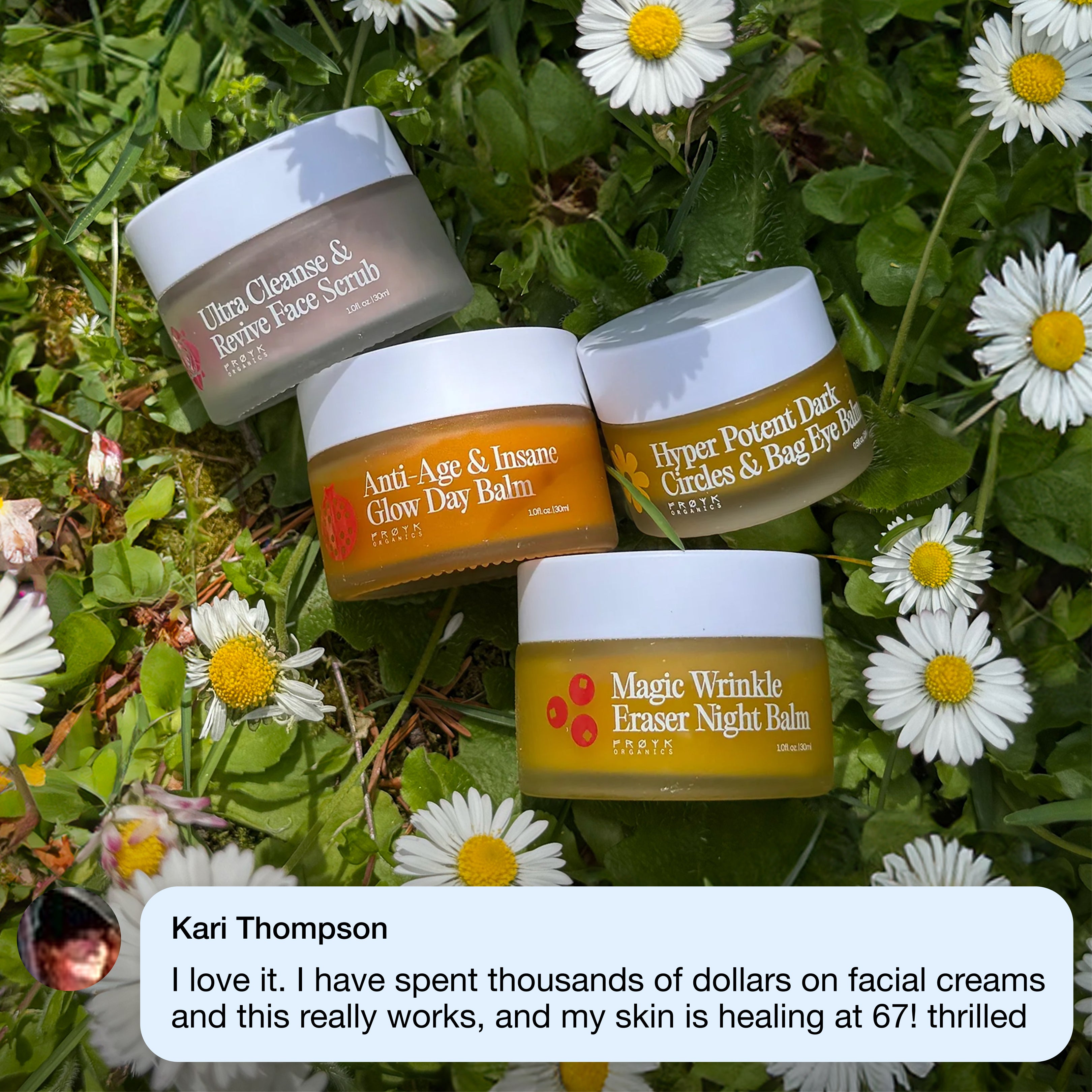
Arktische Wildpflanzen und Bio-Bienenwachs. Null Wasser, null künstliche Duftstoffe. Vier Balsame in einer Routine, die die Barriere-Lipide füttert, von denen ein anhaltender Glanz abhängt, unterstützt durch eine 60-Tage-Geld-zurück-Garantie.
Kaufen Sie das System - $11


