Which Organ Loves Which Habit: A Simple Guide to Whole-Body Wellness
I used to think being healthy meant doing everything right — perfect meals, daily workouts, eight glasses of water before noon. Then I burned out on all of it and stopped trying for a while.
What got me back on track wasn't some big overhaul. It was learning that each organ in my body responds to one or two specific things. Not ten things. Not a whole lifestyle change. Just small, targeted habits that actually make a noticeable difference.
Here's what I've learned works — and what the research backs up.
How to Support Each Organ With Simple Daily Habits
Your heart runs on omega-3 fatty acids. Salmon, walnuts, chia seeds, flaxseed — these aren't trendy superfoods. They're the building blocks your cardiovascular system uses to reduce inflammation and keep arteries flexible. You don't need to eat fish every day. A handful of walnuts a few times a week is enough to make a real difference, and studies consistently show that even modest omega-3 intake lowers heart disease risk.
Your brain craves morning sunlight — not coffee. This surprises most people. Getting natural light within the first hour of waking regulates your circadian rhythm and gives serotonin levels a genuine boost. Ten minutes outside without sunglasses is all it takes. I started doing this last year and the difference in my morning focus was hard to ignore.
Your lungs want you to breathe properly. Sounds obvious, right? But most of us breathe shallow, chest-only breaths all day. Deep diaphragmatic breathing — where your belly expands, not just your chest — actually increases your lung capacity and calms your nervous system in real time. Try box breathing: inhale for 4 counts, hold 4, exhale 4, hold 4. Do it for two minutes and notice what happens to your shoulders.
Your kidneys need plain water, and more of it. Not flavoured water, not coffee, not juice. Your kidneys filter roughly 200 litres of blood daily, and they need adequate hydration to flush waste properly. If your urine isn't pale yellow most of the day, you're probably not drinking enough. It's boring advice, but it's the kind that prevents real problems down the road.
The Organs You're Probably Ignoring
Your skin responds to what you eat more than what you put on it. Collagen-boosting foods like bone broth, citrus fruits, and berries support skin elasticity from the inside. Vitamin C is the big one here — it's essential for collagen synthesis, and most people don't get enough of it through diet alone. I noticed my skin looked genuinely different after about three weeks of eating more citrus and cutting back on sugar.
Your gut microbiome needs fibre diversity, not just probiotics. Fermented foods like yogurt, sauerkraut, and kimchi are great — but your gut bacteria also need prebiotic fibre from vegetables, whole grains, and legumes. The variety matters more than the volume. Eating the same three vegetables every week won't cut it. Mix it up. Your digestion will tell you when it's working.
Your liver regenerates — but only if you let it. Cruciferous vegetables like broccoli, Brussels sprouts, and cauliflower contain compounds that support your liver's detox pathways. The liver is remarkably good at healing itself, but it can't do that if it's constantly processing alcohol, processed food, and environmental toxins. Give it a break and it'll reward you with better energy, clearer skin, and more stable moods.
Small Habits for Eyes, Muscles, Nerves and Hormones
Your eyes need screen breaks — seriously. The 20-20-20 rule works: every 20 minutes, look at something 20 feet away for 20 seconds. Your eyes were not built for 8+ hours of blue light. If you get headaches by the end of the workday, start here before blaming anything else.
Your muscles need daily protein, not just post-workout shakes. Even if you don't exercise, your muscles need adequate protein every day to maintain and repair themselves. The trick is spreading it across meals rather than loading up at dinner. Eggs, Greek yogurt, fish, legumes — variety matters more than quantity.
Your nervous system wants less caffeine after noon. That afternoon coffee might feel necessary, but caffeine has a half-life of about 5-6 hours and stays active in your system for up to 8. If you're sleeping poorly, this is the very first thing to look at. Switch to herbal tea after lunch for two weeks and track how your sleep changes.
Your hormones are built from healthy fats. Avocados, olive oil, nuts, seeds, fatty fish — your endocrine system literally constructs hormones from fat molecules. If you've been on a strict low-fat diet and your energy or mood feels off, the connection might be more direct than you think.
Your memory improves with handwriting. Journaling — even just scribbling down what happened today — strengthens neural pathways tied to memory and processing. It also helps metabolise stress, which is one of the biggest memory killers. You don't need a fancy journal. A scrap of paper works fine.
One Daily Habit Worth Starting Right Now
Of all the habits on this list, hand care is the one most people skip entirely. Your hands take constant abuse — washing, sanitising, exposure to cold and dry air — and most of us just ignore them until they crack or peel.
That's actually why we made the Instant Softening Hand Balm. It's a 100% organic balm with fireweed, shea, and rosehip that absorbs fast without leaving a greasy film. It restores softness, locks in moisture, and genuinely strengthens the skin barrier so your hands stay protected all day.
Think of it as one of those small daily habits your body actually notices. Because it does.
The Real Takeaway
You don't need to overhaul everything at once. Pick one or two habits from this list and stick with them for a month. Your body is a connected system — when one part starts feeling better, the rest tends to follow.
Health doesn't have to be dramatic. It just has to be consistent.
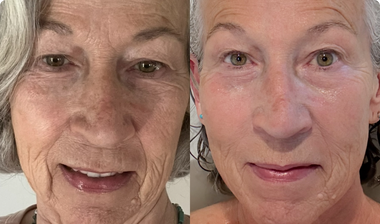
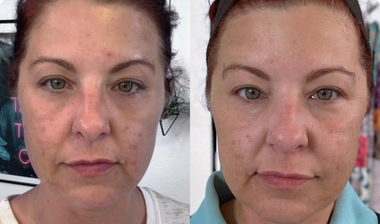
"I have some weird sun spots on my face and they have faded in 2 weeks!"
I have been using these for almost 2 weeks and l'm blown away. I have some weird sun spots on...
Read more
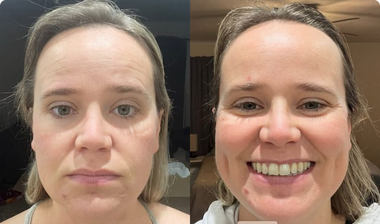
I have been using these for almost 2 weeks and l'm blown away. I have some weird sun spots on my face and they have faded! I feel like my skin is constantly dewy which is amazing considering I've had dry skin my whole life! I'm a costumer for life!
Read less
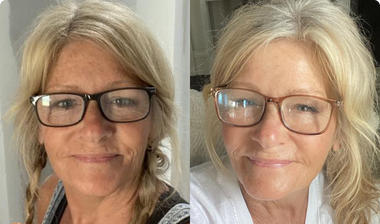
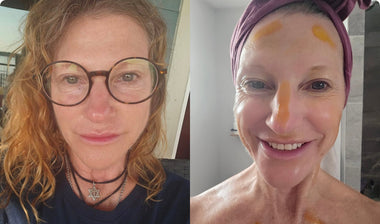
"I can see why Frøya is life changing for so many. Nothing has come close to the results I’m getting."
SO surprised that this product line is this effective after 3 weeks of use! I’ve tried MANY other natural products...
Read more
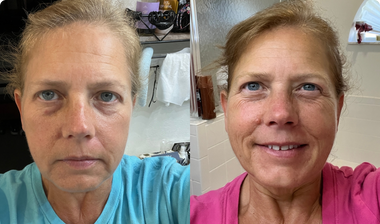
SO surprised that this product line is this effective after 3 weeks of use! I’ve tried MANY other natural products as well as prescription topicals and skin treatments - nothing has come close to the results I’m getting with Frøya! My skin feels so much smoother and healthier, something I haven’t experienced since I was much younger. At almost 40, I can see why Frøya is life changing for so many. Really grateful to have come across this product and can’t wait to see my results at 60 days! 💛
Read less
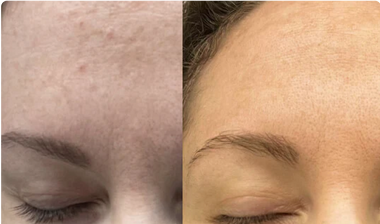
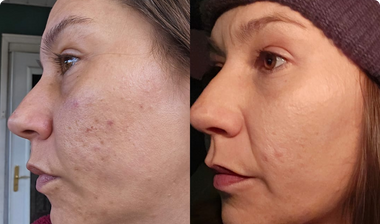
"I went to school for skin care and I did not believe it was even possible to see results that quickly..."
Normally I would never post a pic without makeup on, because get embarrassed about my hyperpigmentation, but I had to...
Read more
Normally I would never post a pic without makeup on, because get embarrassed about my hyperpigmentation, but I had to share. I’m so happy I decided that give this stuff a try! I’ve only been using it for about 5 days and my pimples are basically gone and my hyperpigmentation is noticeably fading already! I went to school for skin care and I did not believe it was even possible to see results that quickly until I tried this. Seriously, just try it!
Read less
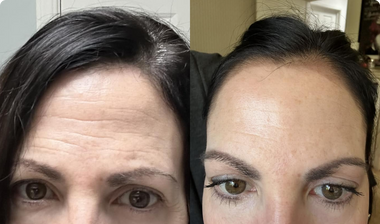
"I felt confident enough to go out with nothing on my face but Frøya and lip gloss."
I usually try to take really good care of my skin, however, I also love the sun! When I originally...
Read more
I usually try to take really good care of my skin, however, I also love the sun! When I originally saw the Frøya system for mature skin I was intrigued because my mother's family was Nordic so it was like, "hey... maybe my ancestors will throw me a bone."
Kidding aside, I was skeptical because I feel I've done so much with little satisfaction.
I've been using the products now for a little over a month. My skin is glassy and dewy and I felt confident enough this past weekend to go out on date night with nothing on my face but Frøya and lip gloss and a friend told me my make up was the most beautiful she'd ever seen it. Her jaw dropped when I told her I wasn't wearing any.
Best compliment I could have received.
I'm definitely a believer and will be a life long customer 😊🫶🏼
Read less
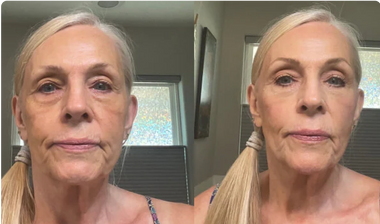
Different lighting but the results are obvious. I've been using for 4 weeks and i’m LOVING it. Using the Mature...
Read more
Different lighting but the results are obvious. I've been using for 4 weeks and i’m LOVING it. Using the Mature Skin system with the Acne Balm added.
Read less
I take very good care of my skin and only use clean products. I was afraid this would make my...
Read more
I take very good care of my skin and only use clean products. I was afraid this would make my skin greasy, especially under make up, but it actually enhances it. So far I love it all, especially how smooth my skin looks when I get up in the morning! I also love the face scrub, what a wonderful idea for an exfoliator. All in all = ♥️
Read less
Due to aging my skin has lost elasticity and started to droop around my chin, wrinkles around my eyes and...
Read more
Due to aging my skin has lost elasticity and started to droop around my chin, wrinkles around my eyes and dark circles. I didn’t want a product filled with chemicals. I love the all natural ingredients. The simplicity of the routine and the way it makes my skin feel. I am a customer for life.
Read less
Better skin & hair in 60 days or money-back guarantee
Use the products for 60 days daily and if you don’t get results, we don’t want your money. We know our products are the best on the market, but they won’t work for everyone and their mother.


 Account


 reduce lines & wrinkles
 support collagen
 reduce dark circles
 natural glow
 even skintone
 moisturise skin


 Low Stock: only 61 left