

 Account


L'olio di tea tree è stato etichettato come una soluzione per l'acne adolescenziale. Per le donne che affrontano brufoli su pelle matura a partire dai 35 anni, la vera storia è più utile e più interessante.
In uno studio clinico, l'olio di tea tree al 5% ha ridotto le lesioni acneiche di quasi il 44% e ha funzionato altrettanto bene del perossido di benzoile, con meno effetti collaterali. Questo è un vero risultato da una pianta, ed è per questo che l'olio di tea tree è rimasto uno dei rimedi casalinghi più popolari per i brufoli da decenni.
Ecco la versione sincera per la pelle matura. L'olio di tea tree può aiutare a trattare l'acne calmando l'infiammazione e riducendo i batteri che causano l'acne, anche se funziona più lentamente rispetto ai principi attivi aggressivi in farmacia e deve essere diluito prima. Questa guida copre quello che la ricerca dimostra, come usarlo in sicurezza, e un percorso botanico più delicato che salta il dosaggio.
Punti Chiave
- L'olio di tea tree proviene dalla pianta Melaleuca alternifolia, e il suo principio attivo principale è il terpinen-4-olo.
- Gli studi collegano l'olio di tea tree al 5% a meno lesioni acneiche, con meno effetti collaterali rispetto al perossido di benzoile.
- L'olio di tea tree puro non deve mai toccare la pelle non diluito, poiché può causare ustioni e reazioni durature.
- Funziona meglio come trattamento localizzato per l'acne, non come trattamento globale.
- Un balsamo botanico formulato ti offre un'azione lenitiva simile senza il calcolo della diluizione.
Perché l'Acne Adulta Sembra Diversa
Se hai brufoli nei tuoi tardi 30, 40 o 50 anni, stai affrontando qualcosa di diverso dall'acne adolescenziale. È spesso guidata da ormoni e stress, e appare su pelle matura che tollera meno bene i trattamenti aggressivi di quanto facesse un tempo.
I brufoli in questa età tendono a concentrarsi intorno alla mascella e al viso inferiore. I cambiamenti ormonali dal tuo ciclo, dalla perimenopausa o dalla menopausa cambiano quanto olio produce la tua pelle, e la pelle grassa peggiora quando lo stress spinge le ghiandole sebacee in marcia più alta.
La parte frustrante è che i principi attivi forti che hai provato a 20 anni possono lasciare la pelle adulta secca, rossa e irritata. Ecco perché più donne cercano sollievo naturale dal rossore dell'acne invece di privare la pelle per ripararla.
Che Cos'è l'Olio di Tea Tree?

L'olio di tea tree è un olio essenziale spremuto dalle foglie dell'albero del tè australiano, Melaleuca alternifolia. Chiamato anche olio di melaleuca, l'olio di tea tree topico è stato utilizzato come antisettico da decenni, apprezzato per le sue proprietà antibatteriche.
A differenza dei prodotti con una lunga lista di ingredienti attivi, l'olio di tea tree si affida a uno: il terpinen-4-olo. Combatte l'acne in due modi, danneggiando le pareti dei batteri che causano l'acne (Cutibacterium acnes) e alleviando il rossore e il gonfiore che trasformano un poro ostruito in un brufolo dolente.
L'olio di tea tree ha una lunga storia con le condizioni della pelle, ma uccide i batteri molto meglio in una provetta che sulla pelle reale. Fa anche più per i brufoli infiammati che per i punti neri o le imperfezioni bianche, che sono problemi di ostruzione, non batterici.
L'Olio di Tea Tree Funziona per l'Acne? Quello Che Mostra la Ricerca
La ricerca suggerisce che l'olio di tea tree può ridurre l'acne lieve o moderata, anche se gli studi sono piccoli e l'effetto è modesto. È un aiutante, non un miracolo.
In uno studio del 2007, una sperimentazione in doppio cieco, 60 persone hanno usato un gel di olio di tea tree al 5% o un placebo due volte al giorno per 45 giorni. Il gruppo con tea tree ha visto risultati molto migliori, con effetti collaterali che sono rimasti lievi.
Uno studio piccolo di un gel di olio di tea tree e un detergente viso ha anche visto le lesioni diminuire nel corso di 12 settimane. Quindi l'olio di tea tree funziona da solo? Moderatamente. Funziona meglio come una parte di una routine ben costruita, dove i botanici lenitivi si supportano a vicenda piuttosto che fare affidamento su un unico principio attivo per fare tutto.
Olio di Tea Tree vs Perossido di Benzoile
L'olio di tea tree si confronta sorprendentemente bene con il perossido di benzoile, solo a un ritmo più lento. Uno studio clinico fondamentale del 1990 di 124 persone ha rilevato che l'olio di tea tree al 5% ha funzionato altrettanto bene del perossido di benzoile al 5%, con meno effetti collaterali.
Quella dolcezza è importante per la pelle matura. Il perossido di benzoile può seccarti, e le opzioni acide come l'acido salicilico possono pungere o sfogliarsi sulla pelle sensibile. L'olio di tea tree scambia la velocità per un atterraggio più morbido, che è spesso l'affare migliore dopo i 40.
Possiamo Applicare l'Olio di Tea Tree Direttamente sull'Acne?
No, non dovresti mettere l'olio di tea tree puro direttamente sulla tua pelle. Quando applicato direttamente e non diluito, è abbastanza forte da causare irritazione, ustioni e un'allergia duratura che può farti reagire ad esso per sempre.
Mescola sempre con un olio vettore prima. L'olio di tea tree diluito a bassa concentrazione è l'unica versione che appartiene al tuo viso, e anche allora, un trattamento localizzato è meglio che coprire tutto il viso.
Sicurezza dell'Olio di Tea Tree ed Effetti Collaterali
L'olio di tea tree è generalmente sicuro quando è diluito e usato con cura, ma è comunque un olio essenziale potente. I problemi più comuni sono l'irritazione della pelle e le reazioni allergiche come il prurito e il rossore.
Due cose aumentano il rischio. L'olio vecchio e ossidato ha molte più probabilità di scatenare una reazione, quindi conserva i tuoi prodotti di olio di tea tree in un luogo fresco e scuro e sostituiscili una volta all'anno. Inghiottirlo può causare gravi effetti collaterali come sonnolenza o perdita di controllo muscolare, quindi tienilo lontano da bambini e animali domestici.
Le persone ricorrono a olio di tea tree ben oltre l'acne, da funghi alle unghie e piede d'atleta a punture di insetto, e anche in prodotti per capelli come shampoo antiforfora.
Un Approccio Naturale Più Delicato all'Acne Adulta

L'olio di tea tree prova un punto semplice: i giusti composti vegetali davvero possono calmare l'infiammazione e lenire la pelle irritata. Il trucco è lo sforzo, poiché l'olio grezzo significa diluire, fare test di prova e buttarlo via prima che si trasformi.
Frøya fa quel lavoro per te. I suoi balsami usano piante artiche scelte per calmare il rossore e lenire la pelle soggetta a acne, senza acqua, filler o acidi aggressivi.
Il principio attivo principale è la calendula, e viene con vero supporto. L'Agenzia europea per i medicinali riconosce la calendula per l'infiammazione della pelle e la guarigione di ferite minori. La ottieni insieme alla lavanda lenitiva e alla cera d'api protettiva in Sistema Completo Anti-Acne per Pelle Pura.
Ecco come il set funziona insieme per i brufoli.
|
Passaggio |
Cosa fa per l'acne |
Botanica al lavoro |
|
Scrub Viso |
Rimuove l'accumulo, prepara la pelle |
Esfoliazione delicata, nessun acido aggressivo |
|
Balsamo Giorno |
Calma diurna, sostiene le cicatrici |
Olivello spinoso, rosa canina per il tono |
|
Trattamento Stopper |
Bersaglia i brufoli attivi, il rossore |
Calendula per pelle soggetta a acne, lavanda |
Usarlo è semplice: scrub due o tre volte a settimana, quindi stendi il Balsamo Giorno ogni mattina. Di notte, tamponare il Trattamento Stopper sui brufoli e il rossore.
Come Usare il Sistema Completo Anti-Acne per Pelle Pura
Usare il set è semplice, con un passaggio facile a ogni parte del tuo giorno:
- Due o tre volte a settimana: Bagna il tuo viso, quindi massaggia lo Scrub Viso in piccoli cerchi per circa 30 secondi per rimuovere la pelle morta e l'accumulo. Risciacqua con acqua tiepida.
- Ogni mattina: Dopo aver pulito, scalda una quantità delle dimensioni di un pisello del Balsamo Giorno tra le dita e premilo sul viso per una calma diurna e un bagliore delicato.
- Ogni notte: Tamponare uno strato sottile del Balsamo Trattamento Stopper direttamente su brufoli, rossore e punti irritati. Un po' va lungo, quindi hai bisogno solo di una piccola quantità.
Questa è l'intera routine. Questi tre passaggi sono fatti per funzionare insieme da soli, quindi non hai bisogno di stratificarli con altri principi attivi o acidi. Sovraccaricare con altri prodotti è quello che tende a lasciare la pelle adulta secca e irritata, e una routine semplice che la tua pelle può tollerare ogni giorno è quello che la rende facile da mantenere.
Quando Consultare un Dermatologo
L'olio di tea tree funziona meglio come un aiutante nella tua routine, non come la risposta completa. Il National Center for Complementary and Integrative Health degli Stati Uniti lo raggruppa con altre opzioni naturali per la pelle, e le linee guida dermatologiche dicono che le prove sono ancora limitate, il che significa semplicemente che si abbina bene con un piano più completo.
Se la tua pelle non si calma dopo un paio di mesi, è degna di una conversazione, non di una preoccupazione. Un dermatologo può aiutare con brufoli più profondi o dolorosi, e le opzioni naturali come queste si adattano bene insieme al suo consiglio.
Che Aspetto Può Avere l'Acne Adulta Più Chiara

La pelle più chiara dopo i 40 raramente viene da una soluzione dura e singola. Viene dal calmare l'infiammazione e i batteri dietro i brufoli, delicatamente e costantemente, così la tua pelle può stabilirsi in uno stato più sano e calmo.
Il motivo per cui un set come questo funziona è che è semplice da seguire. Tre piccoli passaggi, nessuna miscelazione, nessuna misurazione, e nulla di abbastanza aggressivo da far infiammare la tua pelle, quindi è facile continuare giorno dopo giorno.
Frøya Organics segnala che il 96,45% dei clienti ha visto una pelle più sana, meno acne dopo 7 giorni e meno secchezza. La pelle reale richiede tempo, e ognuno è diverso, ma questo è il tipo tranquillo e costante di progresso per cui è costruita una routine delicata.
Disclaimer: Questo articolo è solo per informazioni generali e non è un consiglio medico. L'olio di tea tree e i prodotti botanici possono causare reazioni in alcune persone, quindi fai sempre un test di prova prima e interrompi l'uso se appare irritazione. Per l'acne persistente, dolorosa o grave, ti preghiamo di consultare un dermatologo autorizzato o un operatore sanitario.
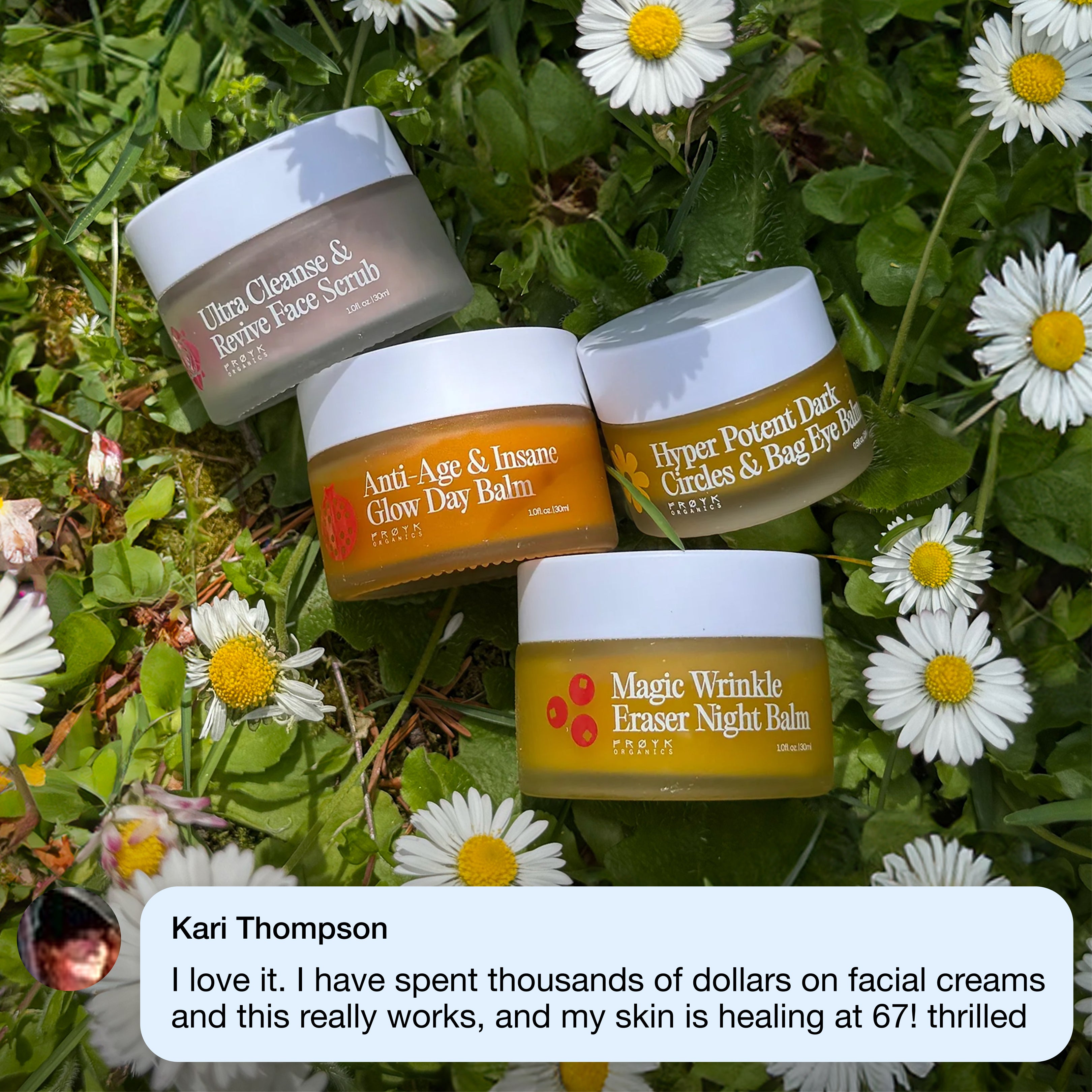
Piante artiche selvatiche e cera d'api biologica. Zero acqua, zero fragranza sintetica. Quattro balsami in una routine che nutre i lipidi della barriera su cui dipende una luminosità duratura, supportato da una garanzia di rimborso di 60 giorni.
Acquista il Sistema - $11Domande Frequenti
L'olio dell'albero del tè è buono da usare sui brufoli?+
Posso mettere l'olio dell'albero del tè su un brufolo scoppiato?+
Quanto tempo impiega l'olio dell'albero del tè a funzionare sull'acne?+
L'olio dell'albero del tè aiuta con le cicatrici da acne?+
Quale olio è buono per l'acne?+


