

 Compte


Les imperfections après 40 ans ne sont souvent pas des résidus d'acné adolescente. Pour beaucoup de femmes, il s'agit d'une nouvelle forme, provoquée par la baisse d'œstrogènes et l'augmentation de l'activité androgénique qui pousse vos glandes sébacées à tourner en surcharge.
L'acné hormonale est l'un des changements cutanés les plus courants que les femmes affrontent en périménopause, et elle apparaît dans un lieu signature : votre mâchoire et menton. La partie frustrante, c'est que les produits agressifs conçus pour la peau adolescente l'empirent souvent après 40 ans.
Voici ce qui fonctionne vraiment. Ci-dessous, vous apprendrez pourquoi l'acné hormonale se manifeste, ce qui la déclenche, comment les médecins la traitent, et la routine douce dont votre peau a besoin pour se calmer.
Les Points Clés
- L'acné hormonale après 40 ans est provoquée par la baisse d'œstrogènes et des androgènes stables, non par une mauvaise hygiène ou une peau adolescente résiduelle.
- Elle a un lieu signature : votre mâchoire et menton, et se manifeste souvent sous forme de kystes profonds et douloureux.
- Les actifs agressifs peuvent endommager votre barrière cutanée et aggraver les imperfections sur une peau plus fine après 40 ans.
- Une routine botanique douce apaise l'inflammation et soutient votre barrière pendant qu'elle purifie les pores.
- L'acné profonde ou cicatrisante mérite une visite médicale, car les options médicales fonctionnent mieux pour les cas persistants.
Ce Qu'est l'Acné Hormonale et Pourquoi Elle Apparaît

L'acné hormonale est une acné provoquée par des changements dans vos niveaux d'hormones, surtout un groupe appelé androgènes. En termes médicaux, c'est une forme d'acné vulgaire, la même catégorie que l'acné adolescente, mais avec un déclencheur hormonal.
Elle peut commencer à l'adolescence et continuer jusqu'à la trentaine, puis réapparaître ou s'aggraver à la quarantaine. Donc cette acné adulte n'est pas un signe que vous avez fait quelque chose de mal. Beaucoup de femmes connaissent une acné hormonale pour la première fois plus tard dans la vie.
À mesure que vous traversez la périménopause, vos niveaux d'œstrogènes baissent tandis que les androgènes restent stables en action. Ce changement dit à vos glandes sébacées de produire plus d'huile, et plus d'huile plus des cellules mortes de la peau égale des pores obstrués. C'est l'un des changements cutanés à la ménopause que beaucoup de femmes ne voient jamais venir.
Pourquoi les Androgènes Provoquent des Imperfections et un Excès de Sébum
Les androgènes sont la principale raison pour laquelle l'acné hormonale se produit. On les appelle souvent hormones sexuelles mâles, mais les femmes en produisent aussi de petites quantités saines, et les ennuis commencent quand votre peau réagit fortement à leurs effets.
Vos glandes sébacées sont remplies de récepteurs d'androgènes. Quand les androgènes les atteignent, les glandes produisent plus de sébum, cette huile se mélange aux cellules mortes de la peau dans vos pores, et le pore s'obstrue. C'est pourquoi les imperfections apparaissent où les glandes sébacées sont les plus actives, le long de votre mâchoire et menton.
Voici la partie qui surprend les gens. Pas chaque femme atteinte d'acné hormonale a des niveaux élevés de testostérone. Certaines ont simplement une peau qui réagit aux niveaux normaux d'androgènes, ce qui explique pourquoi vos tests sanguins peuvent revenir complètement normaux.
Les spécialistes en endocrinologie traitent maintenant l'acné chez la femme adulte comme un signe clinique d'activité androgénique, même quand les niveaux semblent normaux. Donc une routine apaisante et respectueuse de la barrière cutanée fait souvent plus pour votre peau que de chercher à confirmer un résultat de laboratoire.
Où l'Acné Hormonale Apparaît et À Quoi Elle Ressemble
L'acné hormonale a un lieu signature. Elle tend à s'installer le long de votre mâchoire, menton et joues inférieures, la zone parfois appelée la zone en U.
Voici ce qui la distingue d'une imperfection aléatoire :
- Des kystes profonds et douloureux et des nodules qui siègent sous la peau plutôt que sur le dessus
- Des imperfections liées à votre cycle menstruel ou aux périodes de stress
- Rougeur, cicatrices et marques foncées qui persistent après que le bouton disparaisse
- Des poussées pendant les changements hormonaux, comme la périménopause ou après l'arrêt d'une contraception hormonale
L'acné sévère qui laisse des cicatrices mérite d'être prise au sérieux tôt. Si vos imperfections sont petites, prurigineuses et réparties uniformément sur votre front, il se peut que ce soit une acné fongique à la place, qui est un problème différent avec une solution différente.
Ce Qui Déclenche l'Acné Hormonale
Quelques éléments aggravent régulièrement l'acné hormonale, et la plupart font partie de la vie quotidienne. Connaître vos déclencheurs vous aide à anticiper la prochaine poussée.
- Le stress, qui élève le cortisol et pousse vos glandes à produire plus d'huile
- Un mauvais sommeil, souvent provoqué par les sueurs nocturnes pendant la périménopause
- Votre cycle menstruel, puisque les changements hormonaux peuvent déclencher une poussée prévisible
- Le syndrome des ovaires polykystiques (SOPK), aussi orthographié syndrome ovarien polykystique, qui augmente la production d'androgènes
L'acné est 1,6 fois plus courante avec le SOPK : Un rapport d'experts de 2022 a révélé que l'acné affecte environ 42 % des femmes atteintes du syndrome des ovaires polykystiques, contre 17 % sans. Le SOPK augmente la production d'androgènes, qui déclenche le cycle huile-et-obstruction derrière les imperfections. Source : Société AE-SOPK, Journal de la Société d'Endocrinologie, 2022
L'acné hormonale affecte les femmes différemment, donc votre schéma peut ne pas correspondre à celui de votre amie. Si vous remarquez aussi des cycles irréguliers, du duvet facial supplémentaire ou une chute de cheveux, demandez à votre médecin d'investiguer le SOPK, car des tests sanguins simples peuvent vérifier votre production d'hormones et exclure d'autres causes.
Certains Aliments Aggravent-Ils l'Acné Hormonale ?
L'alimentation ne cause pas l'acné hormonale, mais elle peut l'influencer. Un examen de 2022 sur l'alimentation et l'acné a révélé que les aliments à haut indice glycémique, comme le pain blanc, les bonbons et les glucides raffinés, ont un effet modeste mais réel sur les imperfections.
Le lait peut aussi aggraver la peau, bien que surtout dans les régimes occidentaux, et les preuves ne sont pas définitives. Les aliments riches en oméga-3, comme le saumon, sont souvent suggérés pour calmer l'inflammation derrière l'acné.
Les petits changements alimentaires valent la peine d'être testés, mais ils fonctionnent mieux aux côtés d'une routine douce, pas à sa place.
Pourquoi une Routine Botanique Surpasse les Traitements Agressifs de l'Acné Après 40
Voici la partie que la plupart des conseils sur l'acné oublient. La peau adulte féminine s'enflamme quand vous la traitez trop durement, et beaucoup de produits en vente libre sont conçus pour la peau adolescente grasse, pas la vôtre.
Les dermatologues qui se concentrent sur la peau mature disent la même chose : soyez douce, ne frottez pas trop, et arrêtez de vous gratter. Votre peau après 40 ans guérit plus lentement et réagit plus vite, donc l'approche agressive qui semblait acceptable à 25 ans échoue souvent maintenant.
C'est le cas pour une routine naturelle et respectueuse de la barrière. Vous voulez toujours purifier les pores et calmer l'inflammation, juste sans détruire la peau que vous essayez de sauver. Des traitements naturels de l'acné plus doux pour peau mature s'appuient sur des botaniques apaisants plutôt que sur des produits chimiques agressifs, ce dont une barrière plus fine a besoin.
Comment une Routine Botanique Apaise les Imperfections Hormonales

L'acné hormonale commence à l'intérieur de votre corps, donc le changement hormonal n'est pas quelque chose que vous traitez à partir d'un pot. Ce qu'une routine botanique peut vraiment atteindre, c'est la peau elle-même : elle apaise l'inflammation, soutient votre barrière, et aide à arrêter l'étape des pores obstrués avant qu'elle devienne une imperfection. C'est là que les imperfections visibles se font ou se préviennent.
C'est la logique derrière les soins anti-acné de Frøya Organics. Elle utilise des plantes arctiques sauvages et de la cire d'abeille au lieu d'actifs agressifs, pour purifier les pores sans abîmer une barrière déjà plus fine après 40 ans.
Le produit incontournable pour une poussée active est le Baume de Jour pour Peau à Imperfections. Le calendula et le souci, tous deux aux propriétés antibactériennes naturelles, aident à calmer les bactéries provoquant l'acné, le chardon aide à rééquilibrer l'huile, et la cire d'abeille soutient votre barrière. Vous appliquez une fine couche du bout des doigts la nuit, et tout est déjà mélangé, donc il n'y a rien à préparer vous-même.
Ce qu'il y a dans le Système Complet pour Peau à Imperfections
Pour l'acné hormonale, une routine régulière surpasse un produit unique, puisque la constance est ce qui apaise la peau en quelques semaines. Le Système Complet pour Peau à Imperfections est une routine en trois étapes qui purifie, apaise et soutient votre peau. Voici ce que chaque étape fait et comment l'utiliser.
|
Produit |
Ce qu'il fait pour l'acné hormonale |
Comment l'utiliser |
|
Élimine les cellules mortes de la peau afin que les pores restent clairs, avec un gommage doux qui ne déchirera pas la peau sensible |
Ajouter une pincée de poudre à une paume sèche, mélanger avec de l'eau, et frotter pendant 1 à 2 minutes, 2 à 3 fois par semaine |
|
|
Adoucit l'apparence des anciennes marques d'acné et soutient la barrière pendant que la peau se rétablit |
Appliquer une fine couche sur la peau propre chaque matin |
|
|
Apaise la zone en U rouge et enflammée touchée par les imperfections et aide à rééquilibrer l'huile, non-comédogène donc ne bouchera pas les pores |
Appuyer une fine couche du bout des doigts sur le visage avant le coucher |
Utilisées ensemble, ces trois étapes couvrent le tableau complet : purifier le pore, apaiser l'imperfection, puis soutenir votre peau pendant qu'elle guérit.
Comment Soigner l'Acné Hormonale Jour Après Jour
La meilleure façon de traiter l'acné hormonale à la maison est une routine simple, pas une compliquée, surtout quand votre peau est réactive. Ces habitudes vous donnent les meilleures chances d'avoir une peau plus calme et plus saine.
- Lavez votre visage matin et soir avec un nettoyant doux, jamais un gommage agressif
- Appliquer une fine couche de votre baume anti-acné, une toute petite quantité au bout des doigts suffit
- Choisir des produits non-comédogènes qui ne boucheront pas les pores ni déclencheront plus d'irritation
- Éviter de vous gratter et d'écraser les boutons, qui propage les bactéries et approfondit les cicatrices
- Réserver une visite médicale si votre acné est profonde, cicatrisante ou ne s'améliore pas
La constance compte plus que l'intensité. Les soins doux faits quotidiennement surpassent les soins agressifs faits dans des accès de frustration, et protègent votre santé cutanée au fil du temps.
Comment les Médecins Traitent l'Acné Hormonale
Pour l'acné sévère ou cicatrisante, un dermatologue certifié peut vous aider, il vaut donc la peine de connaître le chemin médical. La plupart des lignes directrices dermatologiques pour l'acné commencent par des traitements topiques et n'ajoutent des médicaments oraux que si nécessaire.
Vous pouvez entendre parler de ces options :
- Les rétinoïdes topiques, certains vendus en vente libre, qui accélèrent le renouvellement des cellules cutanées
- Le peroxyde de benzoyle, qui réduit les bactéries provoquant l'acné
- Les pilules contraceptives, puisque certains contraceptifs oraux réduisent les androgènes circulants
- La spironolactone, d'abord utilisée pour l'hypertension, qui bloque aussi les androgènes
- La clascotérone, un produit topique plus récent qui bloque les androgènes dans la peau
Pour les kystes persistants, un médecin peut utiliser une injection de cortisone, et l'isotrétinoïne est réservée aux cas graves. Les peelings chimiques et la thérapie légère peuvent aider avec les marques et les imperfections actives.
Voici le hic. Cela fonctionne, mais les compromis frappent plus fort après 40 ans. Les rétinoïdes et les acides comme l'acide salicylique ou l'acide azélaïque peuvent piquer une peau déjà plus fine, les traitements anti-androgènes peuvent prendre 3 à 6 mois et parfois des doses plus élevées, et plusieurs sont interdits aux femmes enceintes.
Rien de cela ne signifie que le chemin médical est mal. Cela explique simplement pourquoi tant de femmes de plus de 40 ans cherchent quelque chose de plus doux.
À Quoi Ressemble une Acné Hormonale Plus Calme Après 40

Une peau qui s'est sentie hors de contrôle pendant des mois peut se calmer, et le voir se produire est la meilleure preuve. Les photos ci-dessus proviennent de vrais clients de Frøya, avant et après le passage à une routine botanique douce.
Rappelez-vous pourquoi l'acné hormonale se produit en premier lieu : les hormones changeantes augmentent l'huile, et l'huile obstrue les pores. Vous ne pouvez pas éteindre ces hormones, mais vous pouvez apaiser la façon dont votre peau réagit, ce que ces résultats montrent.
Vous voulez voir plus avant de décider ? Ces vrais avant et après de clients montrent ce que les soins doux peuvent faire. Votre peau après 40 ans n'est pas cassée, elle a juste besoin de soins qui fonctionnent avec elle, pas contre elle.
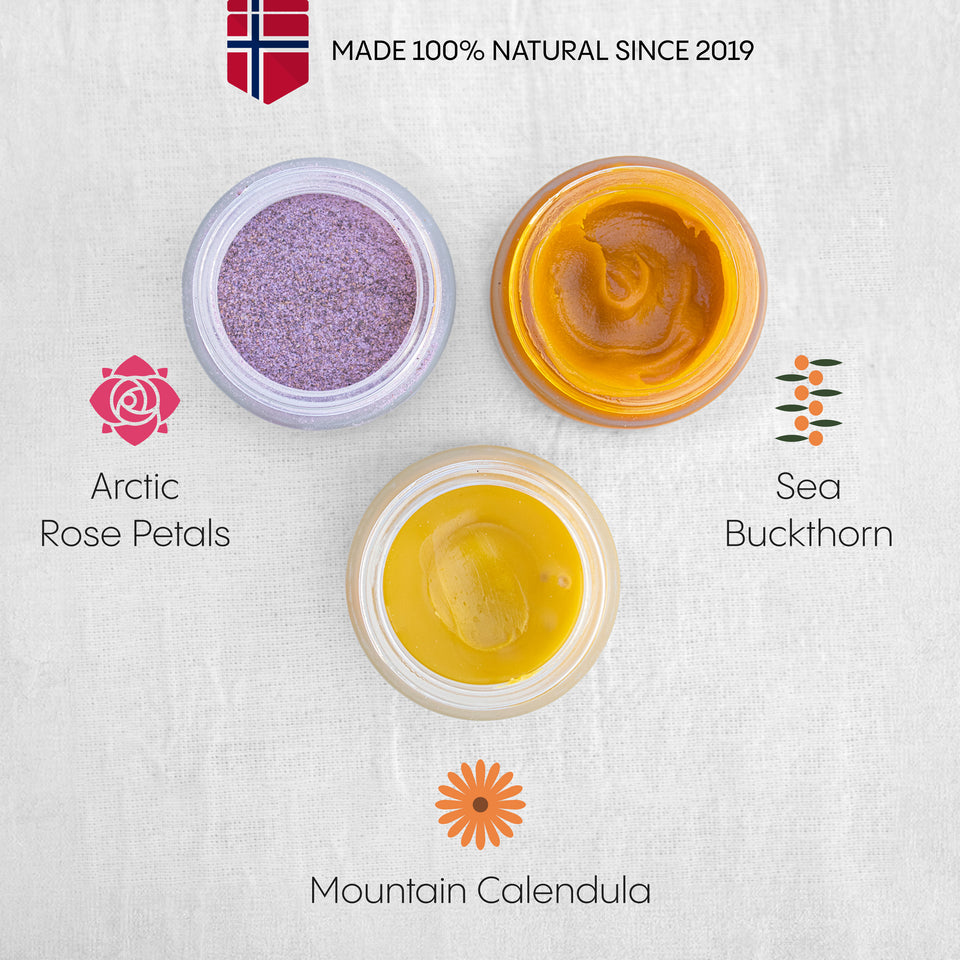
Trois étapes botaniques arctiques qui purifient, apaisent et soutiennent la peau à imperfections après 40 ans. Pas d'acides agressifs, pas d'agression. Le calendula, le souci et la cire d'abeille fonctionnent avec votre barrière, soutenus par une garantie de remboursement de 60 jours.
Découvrez le Système Aujourd'huiQuestions Fréquemment Posées
Quelle est la cause profonde de l'acné hormonale ?+
Comment éliminer mon acné hormonale ?+
Quel est le meilleur traitement pour l'acné hormonale ?+
La contraception peut-elle aider à traiter l'acné hormonale ?+
Combien de temps faut-il pour que l'acné hormonale disparaisse ?+


