

 Account


Freezing wind outside, dry heat blasting inside, and knuckles that crack by lunch. If your usual cream suddenly feels like nothing on your skin, it's not the cream. It's the air.
Dry skin in winter comes from the same few conditions, whether the cold sets in during late fall or deep winter. Cold air holds very little moisture, wind chaps exposed skin, and indoor heating dries out the air you sit in all day.
Mature skin feels all of it more, because it makes less oil and repairs itself more slowly. So the fix isn't a pricier cream. It's keeping water in with shorter, cooler showers, moisturizer on damp skin within 3 minutes, and a rich, oil-based layer that holds its shape.
I know, "cooler showers" is nobody's favorite winter advice. But once you see what's happening under the surface, the rest of this routine makes a lot more sense.
Key Takeaways
- Cold air and indoor heating pull water out of your skin faster in winter.
- As skin matures, it makes fewer natural oils and repairs its barrier more slowly.
- Hot water and harsh soaps strip the oils you need, so keep showers short and lukewarm.
- Oil-rich balms applied to damp skin seal moisture in better than thin lotions.
Why Dry Skin Occurs In Winter

Dry skin in winter happens when your skin can't hold sufficient moisture, because water leaves faster than it's replaced. Cold air holds very little moisture, and indoor heating dries out the air inside even more. So your skin is losing water on both sides of the front door.
Your outermost layer, the stratum corneum, works like a brick wall. Skin cells are the bricks, and a mix of fats (ceramides, cholesterol and fatty acids) is the mortar that keeps water in. That mortar is a big part of how your skin barrier works.
Winter drains that mortar. When researchers tested the outer skin on women's faces, hands and legs, those barrier fats were dramatically depleted in winter compared with spring and summer. The researchers said this loss likely makes skin more prone to dryness, especially in the winter months.
One more detail is worth remembering. A barrier fat built with linoleic acid dropped in winter, too. It comes back later, when we get to what your skin needs.
Why Mature Skin Feels Winter Dryness More
Mature skin walks into winter with less in the tank. As you age, your oil glands slow down, your skin gets thinner, and falling estrogen around menopause adds to skin dryness. The winter study above also found that barrier fats drop with age.
The bigger change is repair. When researchers compared adults over 80 with adults aged 20 to 30, older skin broke down faster and rebuilt its barrier more slowly. Its barrier gave way after about 18 strips of lab tape, versus 31 for younger skin.
That study looked at adults over 80, but dryness doesn't wait that long. Mayo Clinic lists being older than 40 as a risk factor for dry skin. It's why the long hot shower you got away with at 35 can leave you itchy for days now.
It's also why skin care after 50 works best when it protects what you have instead of stripping it back.
Signs Of Winter Dry Skin To Watch For
Dry winter skin usually shows up as tightness first, then flaking and itch. Here's what to watch for.
- Tight skin after you wash or shower
- Flaky skin on your shins, arms, hands or upper back
- Itchy skin that gets worse at night
- Rough patches or tiny cracks on knuckles and heels
Very dry skin can crack and bleed, raising the risk of skin infections. Itch is often your skin's moisture barrier asking for help, and relief for dry itchy skin starts with sealing moisture back in.
What Deficiency Causes Dry Skin?
Most people who develop dry skin in winter don't have a deficiency, but a few nutrient gaps can make skin drier. Very low fat intake and a lack of vitamin C are both linked to dry, rough skin. Both are uncommon on a balanced diet.
Your skin uses fatty acids to build its water-holding fats, so oily fish, nuts and seeds support healthy skin from the inside.
See a doctor or dermatologist if your skin cracks and bleeds, looks infected, or doesn't improve after a couple of weeks of steady care. They can rule out other causes and help with treating dry skin that won't settle. For most women, though, winter dryness isn't a deficiency or a condition. It's the season, and steady care shows. Here's a before and after one of our customers shared.
What Mature Skin Needs From A Winter Moisturizer

For mature skin, a winter moisturizer needs to put oils back and keep water from escaping. Most formulas mix three ingredient types.
- Humectants like glycerin and urea pull water in but need a seal in dry air. On damp skin, the water is already there.
- Emollients like plant oils soften rough skin and keep it supple.
- Occlusives like petroleum jelly, mineral oil, shea butter and beeswax form a protective layer that slows moisture loss.
Ointments hold water better than creams, says the AAD, and creams beat thin lotions. If it holds its shape in the jar, it's a rich moisturizer for very dry skin.
Remember the linoleic acid fat that drops in winter? Your skin can't make it on its own, and oils rich in linoleic acid support the barrier. In adults, sunflower oil kept the barrier intact and improved skin hydration, while oleic-heavy olive oil weakened it.
Why Anti Aging Actives Can Backfire In Winter
Retinol is a popular anti aging pick because it speeds up how fast your skin renews. On a thin, dry winter barrier, that speed often shows up as redness, peeling and stinging. The AAD suggests using retinoids less often in your winter skin care regimen.
That's why a natural, waterless routine makes more sense this time of year. Oils and wax soften flakes without asking your skin to peel first, which is the idea behind waterless skincare for mature skin.
Relieving Dry Winter Skin With Natural Waterless Balms
When winter keeps winning, your skin needs a rich layer that holds its shape and doesn't rely on water. Frøya Organics balms are made from cold-pressed botanical oils and organic beeswax, with no water or fillers. A small fingertip amount goes a long way.
Here's where each of our three winter balms fits.
For Itchy, Flaky Patches On Your Face And Body

This is the one for your nightstand when winter itch flares. The Dry and Itchy Balm for Face and Body starts with safflower oil, one of the richest sources of linoleic acid. Borage and jojoba oils support the barrier, chamomile soothes, and beeswax adds a protective barrier on top.
Smooth on a thin layer 2 to 3 times a day. Small, frequent top-ups keep dry patches calmer than one heavy layer. After a lukewarm shower, start with the most cracked or itchy spots. If your skin looks orange, you've used too much.
For Dry Legs, Arms And Chest

Shins and forearms are often where winter shows first on mature skin. The Ultra Nourishing Arctic Botanicals Body Balm covers big areas like these with sunflower seed oil, sweet almond oil, cocoa butter and chamomile.
Massage a small amount in right after a shower, while your skin is still warm. It feels richer than a lotion but absorbs fast, with no sticky finish.
For Hands That Crack In The Cold

Your hands take the most winter abuse, with cold weather outside and hot water and soap inside. The Instant Softening Hand Balm blends jojoba, coconut oil and rosehip with fireweed and beeswax to soften rough skin and help it retain moisture.
Massage a small amount into clean hands after washing. On really dry nights, smooth on a fresh layer before bed and sleep in cotton gloves.
Hot Showers And Other Winter Habits That Strip Natural Oils
The habits that feel best on a cold day are often the ones leaving your skin dry. Here are the usual suspects.
- Hot showers and hot baths. Hot water strips natural oils faster than lukewarm water. Keep it to 5 to 10 minutes.
- Harsh soaps and foaming cleansers. They lift oils along with dirt, so use a mild soap or non-soap cleanser.
- Acid toners and peels. Glycolic acid and salicylic acid can leave a thin winter barrier red and raw.
- Scrubbing flaky skin. Rough scrubbing at dead skin cells on cracked skin makes tiny tears. Pat dry instead.
- Frequent exposure to water. Constant handwashing adds up fast.
How To Prevent Dry Skin In Winter
Preventing dry skin in winter comes down to keeping your skin hydrated and putting oils back. The minutes after your shower matter most.
- Apply moisturizer immediately. Pat your skin gently, leave a little water on it, and moisturize within 3 minutes of bathing, as the American Academy of Dermatology suggests. That damp-skin window is what our soothing balms for dry skin are made for.
- Run a humidifier. Heating strips moisture from indoor air, so aim for a more humid environment. The AAD says 45 to 60% indoor humidity can reduce dry, itchy skin, and a cheap hygrometer shows where you're at.
- Cover up. Gloves, scarves and soft protective clothing block winter air and help prevent irritation. Wear gloves for dishes, too.
- Mind your lips. Skip licking dry lips and keep a nourishing lip balm handy to prevent dryness and cracking.
- Drink water, but don't expect miracles. Drinking water helps your body, but it can't seal your skin.
- Be sensible outdoors. UV still reaches you on cloudy winter days, so seek shade and cover up first. For long hours outside, add a mineral sunscreen with at least SPF 30, the level dermatologists recommend.
Is A Natural, Waterless Routine Worth It For Mature Skin In Winter?

Yes, especially if thin lotions stop working by December. The habits in this guide do a lot on their own, from shorter warm showers to a humidifier and moisturizing on damp skin. A rich, waterless balm is what holds that moisture in once you've done the work.
Give it a couple of weeks. Most of our customers tell us their skin feels softer and more comfortable within the first week or two of daily use. From there, it keeps building.
A little goes a long way, too. A thin, fingertip layer is enough, so one jar stretches further than you'd expect.
Here are before and after photos women have shared with us after switching to a waterless winter routine. You can see more real customer skin results from women who started right where you are, with tight, flaky winter skin.
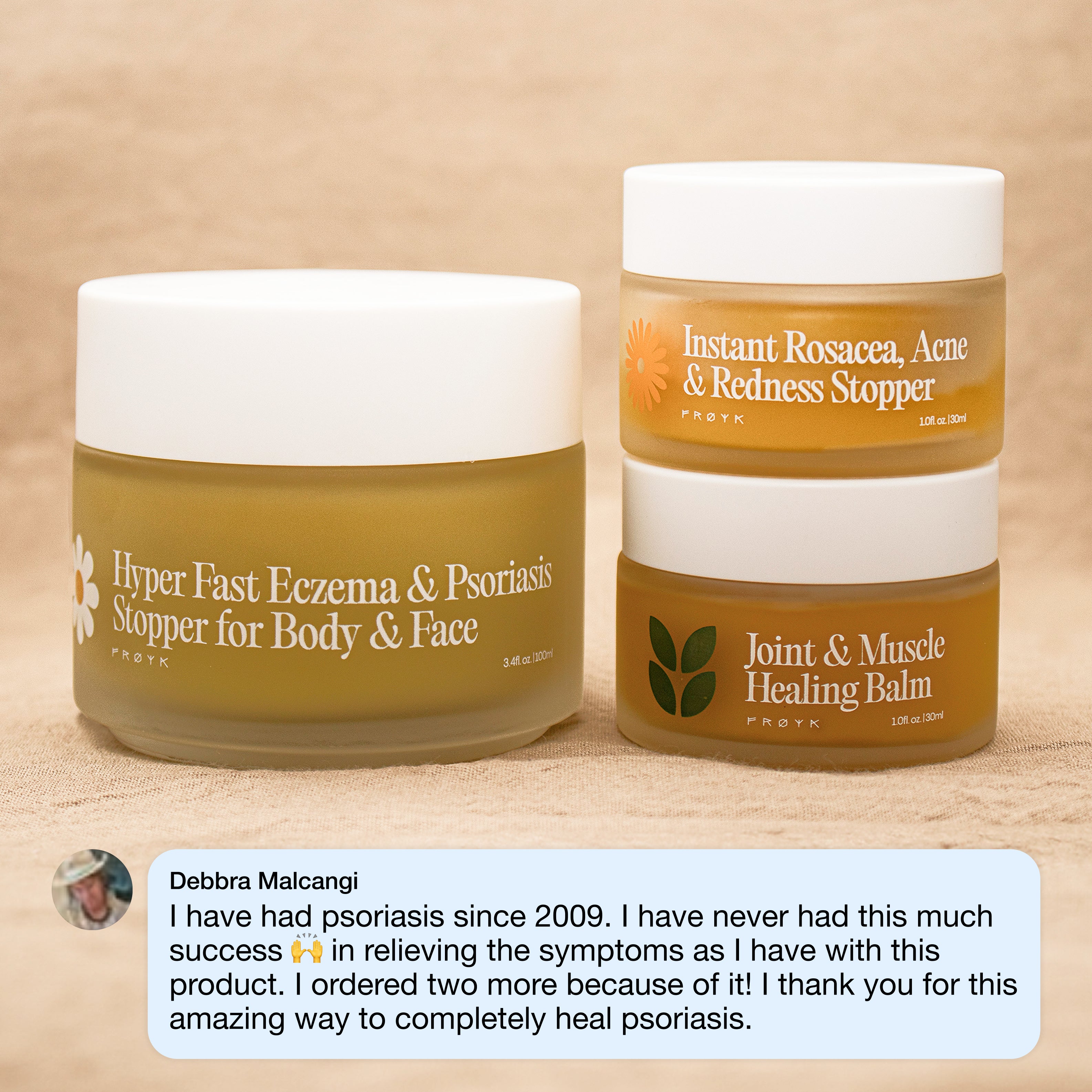
Waterless botanical balms for dry, itchy, and cracked winter skin, backed by a 60-day money-back guarantee.
Shop the System TodayThis article is general information, not medical advice. If your dry skin cracks, bleeds, looks infected or doesn't improve, see a doctor or dermatologist. Frøya Organics balms are cosmetic products, not medicines.
Häufig gestellte Fragen
How to cure dryness of skin in winter?+
What heals dry skin the fastest?+
Which vitamin is good for dry skin?+
What is very dry skin a symptom of?+
What is the best treatment for 70 year old skin naturally?+


