

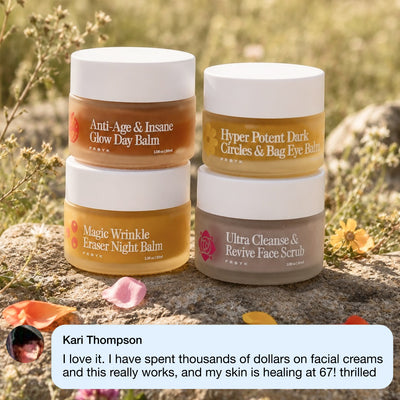
 Cuenta


Cada producto en el estante dice lo mismo ahora. Limpio. Natural. No tóxico. Libre de químicos. Lo coges, le tienes media confianza, y lo vuelves a dejar, porque no tienes forma real de saber cuál promesa es honesta y cuál es solo un bonito empaque.
Aquí está la parte frustrante. La palabra que se supone te protege no lo hace. No hay reglas detrás de la mayoría de estas etiquetas, así que "limpio" puede significar casi cualquier cosa que una marca quiera que signifique.
La belleza limpia es un movimiento construido alrededor de hacer productos de cuidado personal sin ingredientes vinculados a posibles daños, con enfoque en la transparencia de ingredientes, fórmulas más seguras y abastecimiento responsable. Se define más por lo que deja afuera que por lo que incluye. El problema es que ningún organismo oficial decide quién puede usar la palabra.
Vamos a aclarar qué significa realmente la belleza limpia, las cuatro ideas que la sostienen, y cómo diferenciar un producto limpio real de una etiqueta bonita.
Puntos Clave
- La belleza limpia significa productos hechos sin ingredientes vinculados a daños, con etiquetas honestas y abastecimiento responsable.
- El término no está regulado en los EE.UU., así que cualquier marca puede llamarse a sí misma "limpia" sin cumplir un solo estándar.
- Las tres ideas centrales detrás de ella son fórmulas no tóxicas, transparencia de ingredientes y abastecimiento ético.
- "Natural" y "libre de químicos" son palabras de marketing, no garantías de seguridad, así que la lista de ingredientes importa más que el frente del paquete.
- Las certificaciones de terceros son más confiables que las etiquetas "limpias" de minoristas, que todas establecen sus propias reglas.
¿Qué es el Concepto de Belleza Limpia?
La belleza limpia es la idea de que lo que te pones en la piel debe estar hecho sin ingredientes potencialmente dañinos, con etiquetas honestas y abastecimiento ético detrás. Surgió de una preocupación simple: la gente quería saber qué absorbía todos los días.
Tu piel es tu órgano más grande, y los productos de cuidado facial se quedan en ella durante horas. Ese contacto diario es la razón por la que tantos compradores comenzaron a leer las listas de ingredientes y a hacer preguntas más duras sobre la seguridad cosmética.
El movimiento de belleza limpia responde a esa preocupación enfocándose en una lista corta de promesas "libres de". La mayoría de los productos de belleza limpia evitan parabenos, fragancias sintéticas y otros ingredientes tóxicos a evitar que han planteado preguntas sobre la salud humana a lo largo de los años.
No es anti-ciencia o anti-sintético por defecto. Algunos cosméticos limpios incluyen ingredientes seguros hechos en laboratorio junto con ingredientes naturales. La línea se traza en la seguridad y la transparencia, no en si algo vino de una planta o de un matraz.
Belleza Limpia vs Natural vs Orgánica: ¿Cuál es la Diferencia?
Estas tres palabras se usan como si significaran lo mismo. No lo hacen.
Natural, limpio y orgánico apuntan cada uno a algo diferente en una etiqueta. Conocer la diferencia te ayuda a tomar decisiones informadas en lugar de confiar en la palabra más grande del paquete.
|
Término |
Qué Significa |
¿Está Regulado? |
|
Natural |
Los ingredientes provienen de plantas, minerales u otras fuentes naturales |
Sin definición estándar |
|
Orgánico |
Cultivado sin pesticidas sintéticos o GMOs, a menudo certificado |
Sí, USDA Organic requiere 95% de ingredientes orgánicos |
|
Limpio |
Hecho sin ingredientes vinculados a daños, con etiquetas transparentes |
No, varía según la marca |
Aquí está la parte que la mayoría de la gente se pierde. "Natural" o "totalmente natural" por sí solo es apenas una promesa, porque una marca puede usarla libremente incluso con ingredientes sintéticos en la mezcla. Orgánico tiene el mayor peso legal, pero solo cuando viene con una verdadera insignia de certificación.
Limpio está en el medio. Señala seguridad y apertura, pero como no hay una definición estándar, la marca detrás de ella importa más que la palabra en sí.
Por Qué "Belleza Limpia" No es un Término Regulado
No hay una definición oficial de belleza limpia en los Estados Unidos, y la FDA no regula el término en absoluto. Cualquier marca puede etiquetar un producto como limpio sin cumplir un solo estándar.
Esta brecha es más grande de lo que la mayoría de los compradores esperan. La Administración de Alimentos y Medicamentos de EE.UU. restringe o prohíbe solo una lista corta de ingredientes en cosméticos, alrededor de 11, mientras que la Unión Europea ha prohibido más de 1.300. Los mismos productos cosméticos, reglas muy diferentes.
La Ley de Modernización de Cosméticos de 2022 añadió nuevas reglas para la industria cosmética. Ahora requiere que los fabricantes registren sus instalaciones y reporten eventos adversos graves a la FDA, un paso hacia una protección del consumidor más fuerte.
Pero incluso esa ley no define "limpio". Así que la palabra sigue significando lo que cada marca decide, que es exactamente por qué leer la lista actual de ingredientes importa más que confiar en el frente del paquete.
¿Es la Belleza Limpia Solo una Tendencia?
No, la tendencia de belleza limpia es más que una moda pasajera. Se ha convertido en un cambio duradero en cómo la gente compra productos de cuidado facial y personal.
Los números lo respaldan. La industria global de belleza limpia fue valorada en aproximadamente 10.49 mil millones de USD en 2025 y se espera que alcance 35.30 mil millones de USD para 2033, con mujeres representando la mayor parte de compradores en 83.5%.
Lo que lo impulsa no es el marketing de celebridades. Es discernimiento. Alrededor del 70% de los compradores ahora investigan las credenciales ambientales de una empresa antes de comprar, y más de la mitad cuestionan la autenticidad de las afirmaciones "limpias".
Estos compradores leen etiquetas de productos, comparan fórmulas y quieren mayor transparencia de las marcas en las que confían. Esa demanda no se desvanece, que es por qué la belleza limpia sigue remodelando el espacio de belleza más amplio en lugar de desaparecer como una moda.
¿Cuáles son los Tres Pilares de la Belleza Limpia?
La mayoría de las marcas de belleza limpia se sostienen en tres ideas compartidas. Te dan una forma simple de juzgar cualquier producto que se llame a sí mismo limpio.
Las tres ideas centrales de la belleza limpia son fórmulas no tóxicas, transparencia de ingredientes y abastecimiento ético. Aquí está lo que cada una realmente le pide a una marca:
- Fórmulas no tóxicas. El producto deja afuera productos e ingredientes potencialmente dañinos vinculados a preocupaciones de salud, como parabenos y fragancias sintéticas, a favor de alternativas más seguras.
- Transparencia de ingredientes. La marca lista todo claramente, sin esconderse detrás de palabras vagas como "fragancia" que pueden enmascarar docenas de químicos.
- Abastecimiento ético. Los materiales se recopilan responsablemente, a menudo sin crueldad, comercio justo, y con cuidado del impacto ambiental durante toda la vida del producto.
Estas tres ideas son la línea base. Una marca que se salta cualquiera de ellas está tomando prestado el nombre de belleza limpia sin hacer el trabajo detrás de él.
Las marcas más fuertes agregan una cuarta idea encima: resultados que realmente puedas ver. Llegaremos a eso, pero primero, los ingredientes en sí merecen una mirada más cercana.
Los Ingredientes que la Belleza Limpia Evita y la Verdad Sobre "Libre de Químicos"
Los productos de belleza limpia generalmente evitan una lista corta conocida de ingredientes. Los químicos dañinos más comunes que las personas observan son parabenos, ftalatos, sulfatos y fragancias sintéticas.
Aparecen una y otra vez por una razón. Una revisión de 2025 en Frontiers in Toxicology encontró que muchos químicos sintéticos en cosméticos, incluyendo ftalatos y parabenos, están vinculados a resultados como reacciones alérgicas, irritación de la piel y disrupción endocrina en el cuerpo humano.
Los ftalatos a menudo se esconden dentro de una palabra vaga en la etiqueta: "fragancia". Esa es una gran razón por la que las marcas limpias presionan por listas completas de ingredientes en lugar de términos generales.
Ahora para la parte honesta. "Libre de químicos" es una frase de marketing, no algo real, porque el agua es un químico y también lo es todo lo demás. Una pregunta mejor es cuáles ingredientes evita un producto y por qué.
Aquí es también donde entran las fórmulas de cuidado sin agua. Cuando un producto no está diluido en agua, cada ingrediente en la lista está haciendo trabajo real, y hay menos necesidad de conservantes pesados para mantenerlo estable.
Por Qué "Natural" No Siempre Significa Seguro
Natural no es lo mismo que seguro, y aquí es donde las buenas intenciones pueden salir mal. Algunos ingredientes de plantas también causan reacciones.
La Dra. Shereene Idriss, dermatóloga certificada por la junta, ha señalado que la belleza limpia a menudo trata lo "natural" como automáticamente seguro y lo "sintético" como automáticamente peligroso, lo cual no tiene base real en cómo funciona la ciencia de la piel. Las concentraciones altas de extractos botánicos todavía pueden irritar la piel sensible.
Así que el objetivo no es temer a todo sintético o confiar en toda planta. El objetivo es mirar la fórmula actual, la concentración, y la honestidad de la marca sobre ambas. Hecho correctamente, los ingredientes naturales nutritivos y ricos en vitaminas pueden apoyar la salud de la piel a largo plazo en lugar de actuar en su contra.
Esto importa aún más con ingredientes activos potentes. Los ingredientes como retinol, AHAs y BHAs pueden entregar resultados, pero a menudo vienen con escozor, peladura, sequedad y sensibilidad solar, especialmente en piel madura o reactiva. Para las personas cuya piel reacciona a esos, una rutina más suave y a base de plantas es a menudo la mejor opción para una piel más saludable.
¿Qué Certificaciones Verifican la Belleza Limpia?
Dado que "limpio" no está regulado, las certificaciones de terceros son tu atajo más confiable. Son administradas por grupos externos, no por la marca en sí.
Algunas confiables vale la pena buscar en una etiqueta:
- USDA Organic. Confirma que un producto cumple con estrictos estándares de ingredientes orgánicos.
- Leaping Bunny. El estándar reconocido para libre de crueldad, sin pruebas en animales.
- COSMOS. Una certificación ampliamente utilizada para cosméticos naturales y orgánicos, y una señal de que los ingredientes fueron abastecidos éticamente.
Los programas de minoristas son más turbios. No hay una definición de "limpio" en toda la industria, así que cada tienda establece sus propias reglas. La etiqueta "Clean at Sephora" de Sephora y el programa Conscious Beauty de Ulta tienen sus propios criterios, y los dos no coinciden.
Por eso los expertos señalan certificaciones como Leaping Bunny como las marcas que vale la pena buscar. Responden a grupos externos, no a la tienda que vende el producto.
La sostenibilidad también importa. Un informe encontró que el 67% de los compradores ha hecho cambios para disminuir su impacto ambiental, como elegir empaques reciclables o más sostenibles, que es por qué las ideas de belleza verde a menudo se integran en lo que la gente significa por "limpio".
Cuando no hay insignia presente, lee la lista completa de ingredientes, no la copia de marketing en el frente.
Cómo se Ve la Belleza Limpia en la Práctica: El Enfoque Frøya
 Después de toda la teoría, aquí está lo que una marca construida sobre estas ideas realmente parece. Frøya Organics hace cuidado sin agua a partir de plantas árticas silvestres y cera de abeja orgánica, sin agua, sin fillers, y sin fragancia sintética.
Frøya cumple con las tres ideas centrales de la belleza limpia, luego agrega una cuarta: potencia en la que puedas confiar, extraída de plantas que sobreviven uno de los climas más duros de la tierra. Cada página de producto muestra los mismos marcadores simples: 0 pesticidas, 0 disruptores hormonales, 100% natural, y probado por terceros.
Estos ingredientes de plantas árticas silvestres son cortos, legibles, y honestos. Aquí está cómo algunos productos formulados de esta forma muestran la belleza limpia en acción:
|
Producto |
Idea de Belleza Limpia que Muestra |
Por Qué Funciona |
|
Exfoliante Facial Ultra Limpieza y Revitalización |
Transparencia radical |
Solo tres ingredientes: harina de arroz, harina de rosa, polvo de hueso de albaricoque |
|
Bálsamo de Día Antiedad y Luminosidad Increíble |
Fórmula no tóxica, sin agua |
14 ingredientes a base de plantas, sin agua ni fillers |
|
Bálsamo de Noche Mágico Borrador de Arrugas |
Abastecimiento ártico trazable |
Activos cosechados silvestres como semilla de arándano ártico y árnica |
|
Bálsamo de Ojos Ultra Concentrado Anti-Ojeras & Bolsas |
Resultados sin químicos duros |
Cardo, árnica y manzanilla azul trabajando juntos |
Si quieres un lugar para empezar, El Sistema Completo para la Piel de Mujeres Maduras trae cuatro de estos productos en una sola rutina construida para piel mayor de 45 años.
La Belleza Limpia Se Reduce a Honestidad, No a Palabras Clave
 La prueba está en los rostros de las personas que hicieron el cambio. Aquí está un resultado antes y después de un cliente de Frøya Organics, así que puedas ver lo que el cuidado facial limpio y bien abastecido se ve a lo largo del tiempo.
Aquí está el punto clave. La belleza limpia no es una etiqueta mágica, y ninguna palabra sola en un paquete puede prometerte una piel más segura o un mayor bienestar.
La misión de Frøya Organics es hacer que esa opción sea simple: cuidado sin agua honesto construido sobre plantas árticas silvestres, con nada que esconder en la etiqueta. Lo que la belleza limpia realmente te da es una forma de tomar decisiones informadas, así que mira más allá de los minoristas de belleza y sus afirmaciones de belleza limpia, y juzga una marca por su lista completa de ingredientes, su honestidad y su abastecimiento. El mismo pensamiento se aplica cuando compras productos para el cuidado de la piel madura, donde la transparencia importa más.
Cuando compras de esa manera, dejas de confiar en palabras clave y comienzas a confiar en la prueba. Ese es el punto completo de la belleza limpia hecha correctamente.
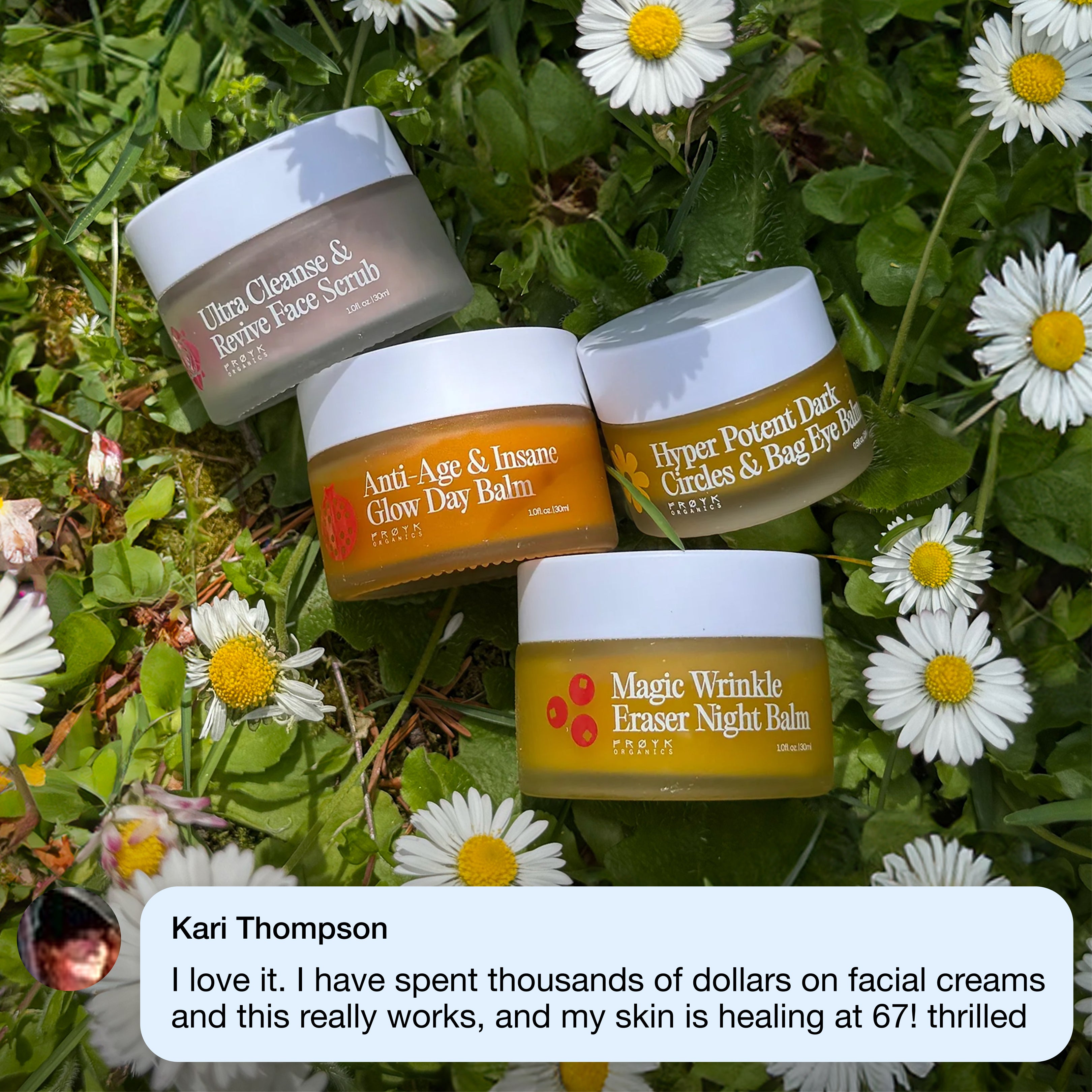
Plantas árticas silvestres y cera de abeja orgánica. Cero agua, cero fragancia sintética. Cuatro bálsamos en una rutina construida para piel mayor de 45 años, respaldada por una garantía de devolución de dinero de 60 días.
Compra el Sistema - $119Preguntas Frecuentes
¿Qué significa realmente la belleza limpia?+
¿Está sin regular la industria de la belleza?+
¿Cuál es la diferencia entre la belleza limpia y la belleza natural?+
¿Es legítima la belleza limpia?+


