

 Cuenta


Mismo rostro, mismos productos, y sin embargo el primer frío te deja la piel tirante, descamada y apagada al mediodía. ¿Qué pasó?
La estación cambió, y tu piel lo sintió antes que tú. El aire más frío y seco extrae agua directamente de tu piel, y después de los 45 tienes menos barrera para retener esa agua. Ese es el secreto completo detrás de una rutina de cuidado otoñal que funciona. Sella la humedad, no solo la rocíes. Una rutina más rica y sin agua como el sistema de piel madura Frøya está diseñada precisamente para este cambio.
Aquí te mostramos qué cambia en otoño, por qué tu piel reacciona así y cómo ajustarte sin añadir diez pasos nuevos.
Puntos clave
- El otoño reseca tu piel porque los niveles de humedad bajan y el aire extrae agua más rápido de lo que tu piel puede reponerla.
- La piel madura lo siente antes, ya que produce menos aceite y retiene menos humedad antes de que llegue el frío.
- La solución es sellar la humedad con bálsamos más ricos y sin agua, no solo añadir capas a base de agua encima.
- Sé más suave en otoño: un limpiador suave, agua tibia y exfoliación más ligera protegen tu barrera.
- Normalmente recibes menos sol en otoño; usa un protector solar mineral solo para días largos al aire libre.
¿Cómo deberías cambiar tu rutina de cuidado de la piel para el otoño?
Cambia a un cuidado más rico conforme el aire se vuelve frío y seco. Si tu piel se siente más tirante cuando bajan las temperaturas, cambia a un bálsamo sin agua por la mañana y la noche, exfolia menos a menudo, y presiona el bálsamo sobre la piel ligeramente húmeda.
La exposición solar normalmente disminuye en otoño, especialmente en regiones del norte, así que puedes disfrutar de la luz del día siempre que evites quemarte. Guarda un protector solar mineral, idealmente con óxido de zinc, para horas largas al aire libre, en altura o cerca del agua y la nieve.
¿Por qué tu piel cambia en otoño?
El otoño reseca tu piel porque el aire retiene menos agua. Conforme bajan las temperaturas y los niveles de humedad, la humedad sale de tu piel más rápido de lo que tu cuerpo puede recuperarla. Esa pérdida de agua es lo que te deja tirante, áspera y con un aspecto apagado.
La caída en la humedad hace cosas reales y medibles en tu piel. Una revisión dermatológica encontró que la baja humedad reduce el contenido de agua en la piel, disminuye la elasticidad y deja la superficie más áspera. Dicho simplemente, cuanto más seco sea el aire, más lucha tu piel por sentirse cómoda.
Luego viene la parte que la mayoría olvida. La calefacción interior reseca el aire dentro de tu hogar aún más que el frío afuera. Así que pasas entre aire frío y seco y calor seco todo el día, y tu piel nunca descansa.
El aire seco hace más que apagar tu tez. La misma revisión vincula la baja humedad interior con piel seca y más brotes de eczema, especialmente en piel que ya era sensible. Suma la aspereza que el sol del verano deja atrás, y la sequedad otoñal se ve peor de lo que es. Tu piel no está rota. Necesita un cuidado diferente al que usabas en julio.
¿Por qué el otoño afecta más la piel madura?

La piel madura siente el otoño más rápido porque su barrera ya es más fina y seca antes de que llegue el frío. Después de la menopausia, tu piel produce menos aceite y menos de los lípidos que atrapan la humedad. Así que la misma sequía que una treintañera ignora puede dejar tu piel agrietada y ardiente.
Conforme envejece la piel, la producción de aceite y los lípidos de la piel disminuyen, lo que debilita la barrera para retener agua. Esa disminución tiende a acelerarse alrededor de los 50 años, justo cuando la piel seca se convierte en algo de todo el año.
Por eso "simplemente bebe más agua" nunca lo arregla. El problema no está dentro de ti. Es una barrera que ya no puede retener lo que tiene, y eso necesita ayuda desde afuera.
El ajuste de otoño que realmente importa
El cambio más importante de otoño es simple: deja de solo añadir humedad y comienza a sellarla. Los humectantes como la glicerina atraen agua hacia la superficie, pero en aire seco esa agua puede evaporarse nuevamente. Sin nada que la retenga, podrías terminar más seca que cuando empezaste.
Aquí es donde una rutina sin agua y rica en aceite gana. Los aceites botánicos y las ceras se sientan encima y ralentizan el escape de agua, que es el trabajo con el que tu piel lucha en otoño. Este es el pensamiento detrás del cuidado sin agua para la sequedad, y es lo más importante cuando el aire se vuelve áspero.
Unos pocos cambios pequeños hacen la mayor parte del trabajo:
- Cambia lociones delgadas por un bálsamo más rico que retenga la humedad durante los días fríos y toda la noche.
- Lava con un limpiador suave y agua tibia, ya que el agua caliente elimina los aceites propios de tu piel y la deja más tirante.
- Exfolia más suavemente cuando la piel se siente sensible, para eliminar las células muertas sin dañar la barrera.
Estos pequeños hábitos mantienen tu piel hidratada y cómoda, y superan una rutina larga que abandonas en noviembre.
Construye una rutina sin agua para el otoño y la piel madura

Frøya Organics elabora bálsamos sin agua con plantas árticas que sellan la humedad en la piel madura. Cada bálsamo omite el agua y los rellenos, así que una cantidad del tamaño de la punta del dedo hace un trabajo real cuando el aire se reseca. Lo que obtienes es una rutina de cuidado de la piel corta que se ajusta a la estación en lugar de combatirla, y funciona para piel grasa, seca y sensible por igual.
Aquí te mostramos cómo funcionan juntas las piezas centrales de los Sistemas de Cuidado sin Agua en otoño:
|
Paso |
Producto |
Lo que hace para la piel de otoño |
|
Limpia y exfolia |
Exfoliante Facial Ultra Limpieza y Revitalización |
Levanta la suciedad apagada del verano sin eliminar, 2 a 3 veces por semana |
|
Sello matutino |
Bálsamo de Día Antiedad y Luminosidad Increíble |
Un bálsamo enriquecido de día que retiene la humedad contra el aire seco |
|
Reparación nocturna |
Bálsamo de Noche Alisador de Arrugas |
Apoya la barrera durante la noche, cuando la piel pierde la mayor cantidad de agua |
Un poco más sobre cada paso a continuación.
Comienza con una exfoliación suave y sin agua

Comienza limpiando la capa áspera y apagada que el verano dejó atrás. Este exfoliante sin agua afloja las células muertas de la superficie para que tus bálsamos penetren mejor, sin la irritación de los ácidos, y no obstruirá los poros. El exfoliante facial Frøya usa pétalos de rosa ártica y se mezcla con agua en tu palma, dos o tres veces por semana.
Hazlo suave. Si tu piel se siente tirante, reduce a una vez por semana y deja que los bálsamos lleven más de la carga.
Sella la humedad cada mañana

Las mañanas de otoño requieren un bálsamo que retenga la humedad durante horas frías y secas. Este se apoya en aceite de espino amarillo y granada para sellar la superficie y apoyar un brillo suave y uniforme. Alisa el bálsamo de día Frøya después de limpiar, con solo la punta del dedo.
Un poco es mucho. Si tu piel se ve brillante u anaranjada, usaste demasiado.
Repara la barrera durante la noche

Tu piel pierde la mayor cantidad de agua mientras duermes, así que la noche es cuando un sello rico demuestra su valor. Este bálsamo mezcla rosa mosqueta, caléndula y árnica para apoyar la barrera y suavizar la apariencia de líneas finas por la mañana. Aplica el bálsamo de reparación nocturna como tu último paso.
La cera de abeja es la heroína silenciosa en los tres. Forma un sello suave que ralentiza la pérdida de agua, exactamente lo que el aire seco de otoño sigue robando, y ayuda a mantener tu piel suave durante los meses más fríos.
Sellar la barrera ayuda a la piel envejecida a retener humedad: En estudios sobre piel mayor, aplicar un oclusivo simple para sellar la superficie redujo la pérdida de agua y alivió signos de irritación. Es la misma idea detrás de los beneficios de la cera de abeja para la piel: un sello botánico que mantiene la humedad donde debe estar.
Un enfoque simple y sensato del sol de otoño
No necesitas temer al sol de otoño, y tampoco necesitas una regla estricta al respecto. Un poco de sol con moderación está bien, y el objetivo real es simplemente no quemarte. Los dermatólogos señalan que los UV todavía te alcanzan en días frescos y nublados, e incluso el aire fresco y la luz débil conllevan riesgo de daño solar con el tiempo.
Hay un par de hechos que vale la pena conocer. Un protector de amplio espectro protege contra rayos UVA y UVB, y los UVA pueden pasar a través del vidrio de la ventana, así que un paseo soleado todavía alcanza tu piel. Las quemaduras son un factor de riesgo conocido para el cáncer de piel, que es la razón real para no exagerar con el sol fuerte.
Para la vida diaria de otoño, la sombra, un sombrero y un horario inteligente mantienen tu piel protegida. Si estarás afuera durante un largo trecho, un protector solar mineral con óxido de zinc es una opción sensata. Los bálsamos son cuidado cosmético, así que trata la protección solar como su propio paso separado.
¿Quieres ver cómo encajan los bálsamos en una rutina completa para piel madura? La página de bálsamos árticos ultra potentes lo explica.
Cuándo ver a un dermatólogo
La mayoría de la sequedad de otoño se resuelve con cuidado más enriquecido y una rutina más suave. Pero hay algunos signos que significan que es hora de un profesional, no otro producto.
Reserva una cita si notas:
- Piel agrietada o con exudación que no cicatriza con hidratación constante.
- Enrojecimiento o picazón que se extiende o persiste durante semanas.
- Manchas nuevas o cambios en marcas existentes después del sol del verano.
Hacerse revisar no es exagerar. Es la opción inteligente cuando tu piel señala algo que un bálsamo no puede arreglar.
Tu piel puede sentirse cómoda nuevamente este otoño

Si tu piel se pone tirante y apagada cada otoño, esa es tu barrera pidiendo un tipo de ayuda diferente, no una rutina más difícil. El aire frío extrae la humedad, y la piel madura necesita algo lo suficientemente rico para retenerla. La solución es más fácil de lo que la mayoría de guías la presentan.
Sella en lugar de solo añadir agua. Sé más suave, no más fuerte. Dale a tu piel cuidado botánico hecho para las estaciones que cambian.
Mira lo que una barrera sellada y bien apoyada puede hacer por la piel madura en estos resultados antes y después de personas que hicieron el cambio.
Este artículo es para educación general y no es consejo médico. No está destinado a diagnosticar, tratar o reemplazar la atención de un profesional con licencia. Si tienes una preocupación de piel que persiste o empeora, por favor habla con un dermatólogo certificado.
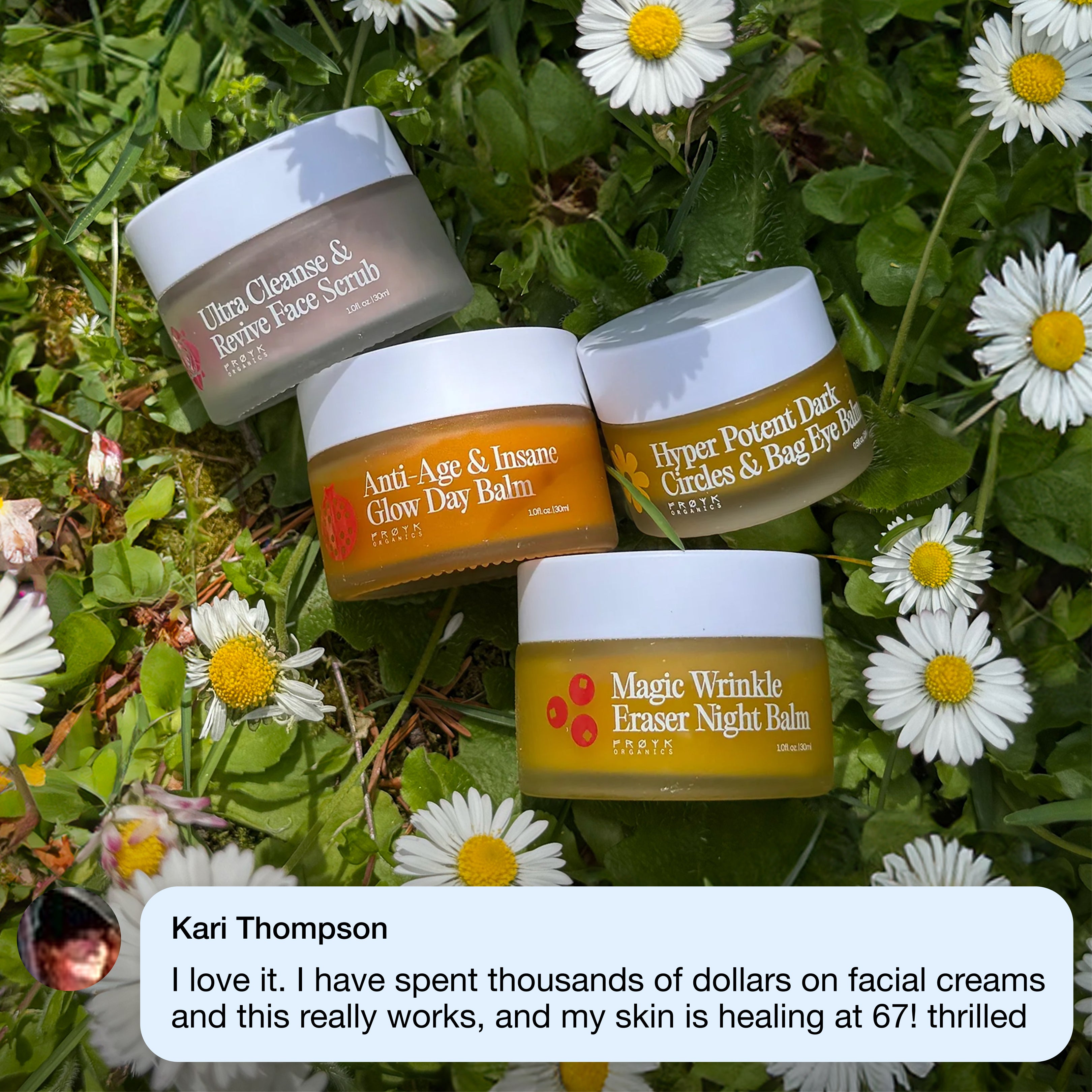
Plantas árticas silvestres y cera de abeja orgánica. Cero agua, cero fragancia sintética. Cuatro bálsamos concentrados que sellan la humedad cuando el aire de otoño reseca tu piel, respaldados por una garantía de devolución del dinero de 60 días.
Compra el Sistema HoyPreguntas Frecuentes
¿Cuál es una buena rutina de cuidado de piel para el otoño?+
¿Cuáles son las principales tendencias de cuidado de piel para el otoño?+
¿Cuáles son algunos buenos productos de cuidado de piel para el otoño?+
¿Cuáles son algunos buenos productos de belleza para el otoño?+
¿Por qué mi piel se seca tanto en otoño conforme envejezco?+


