

 Cuenta


El mejor tratamiento para la rosácea no es una cura, porque la rosácea no tiene cura. Eso suena como una mala noticia, pero es lo opuesto una vez que lo entiendes.
La rosácea afecta a más de 16 millones de estadounidenses, según la National Rosacea Society, y se diagnostica con más frecuencia en mujeres. También es una de las condiciones de la piel más mal interpretadas que existen.
Aquí viene la parte que pocos mencionan. Los "tratamientos" agresivos a menudo empeoran la rosácea, mientras que el cuidado botánico suave la calma sin irritación. Esa es la idea detrás de nuestro Bálsamo de Día para Piel con Tendencia Acneica, un bálsamo sin agua hecho para calmar el enrojecimiento, no para irritar.
En esta guía, aprenderás qué realmente dispara los brotes, qué ingredientes evitar, qué calma el enrojecimiento rápidamente, y cuándo ver a un dermatólogo.
Puntos Clave
- La rosácea es una condición crónica de la piel sin cura, pero el cuidado adecuado la mantiene bajo control.
- Conocer tus factores desencadenantes comunes, como el sol y la comida picante, te ayuda a prevenir brotes.
- Los ácidos fuertes y la fragancia a menudo empeoran el enrojecimiento, así que el cuidado suave funciona mejor.
- Los botánicos que sostienen la barrera calman la piel propensa a la rosácea sin irritar.
- Un dermatólogo puede ayudarte con casos graves que el cuidado suave no puede resolver.
¿Cómo se Ve Realmente el Mejor Tratamiento para la Rosácea?
El mejor enfoque para la rosácea la controla, no la cura. Calmas el enrojecimiento, controlas los brotes, y previene los episodios antes de que comiencen.
La rosácea es una condición crónica de la piel, así que los arreglos rápidos rara vez funcionan. La Cleveland Clinic explica que los medicamentos, cremas y lociones ayudan a reducir los síntomas, pero la rosácea puede seguir presentando brotes a lo largo de tu vida.
Esto significa que tu objetivo cambia. En lugar de buscar una cura, construyes un simple plan de tratamiento que mantiene tu piel estable. El control de factores desencadenantes más productos suave diarios hacen la mayor parte del trabajo.
¿Qué Hace la Rosácea a Tu Piel y Cómo Se Siente?

Los síntomas de la rosácea incluyen enrojecimiento facial persistente, vasos sanguíneos visibles, y pequeños brotes que pueden picar o arder. Aparece principalmente en tus mejillas, nariz, barbilla y frente.
El enrojecimiento facial persistente es el signo que la mayoría de las personas nota primero. Con el tiempo, puedes ver manchas rojas, capilares rotos, y brotes dolorosos en la piel afectada. Tiende a desarrollarse después de los 30 años y es más común en personas con piel clara.
La parte difícil es no solo la piel. Una encuesta de 2025 de la National Rosacea Society encontró que la mayoría de las personas con rosácea dicen que afecta su salud mental, no solo cómo se ve su piel.
Los Cuatro Tipos de Rosácea
La rosácea viene en cuatro tipos principales, y puedes tener más de uno a la vez.
- Eritematotelangiectásica: enrojecimiento persistente con vasos sanguíneos visibles
- Rosácea papulopustular: enrojecimiento con granos llenos de pus tipo acné
- Fimatosa: piel más gruesa y bultos, a menudo alrededor de la nariz
- Ocular: ojos irritados, llorosos o inyectados en sangre
Conocer tu tipo te ayuda a ti y a tu médico a elegir el plan correcto.
¿Qué Dispara los Brotes de Rosácea?
Los brotes de rosácea ocurren cuando algo ensancha los diminutos vasos sanguíneos en tu piel facial. Eso lleva a enrojecimiento, calor y rubor.
Los factores desencadenantes comunes incluyen:
- Exposición al sol y calor
- Comer alimentos picantes y bebidas calientes
- Alcohol
- Estrés
- Viento frío y cambios repentinos del clima
No todo el mundo reacciona a las mismas cosas. Un simple diario de factores desencadenantes te ayuda a identificar tus propios patrones y reducir los brotes. Anota qué comiste, qué hiciste, y cómo te sentiste cada día que tu piel se inflamó, y el patrón se muestra rápidamente.
¡Intenta esto: Mantén un diario de factores desencadenantes de dos semanas. Anota tu comida, clima, estrés, y rutina de cuidado de la piel cada día que tu piel se inflama, y tus factores desencadenantes personales se vuelven fáciles de identificar.
Irritantes Comunes a Evitar en Piel Propensa a la Rosácea
Algunos productos de cuidado de la piel empeoran la rosácea, así que evitarlos es la mitad de la batalla. La piel reactiva funciona mejor con menos ingredientes más suaves.
Ten cuidado con estos irritantes:
- Alcohol y fragancia sintética
- Mentol, menta y eucalipto
- Ácidos exfoliantes como ácido salicílico y ácido glicólico
Aquí es donde se pone complicado. Los ácidos como el ácido azelaico pueden reducir los brotes y calmar la inflamación, pero en piel sensible a menudo traen sequedad, escozor, y parches descamativos. Ese intercambio es difícil cuando tu barrera ya es frágil.
Siempre prueba un nuevo producto en tu mandíbula primero, y espera un día antes de usarlo en la piel circundante.
Nota: Los activos fuertes pueden calmar los brotes para algunas personas, pero a menudo intercambian un problema por otro en piel propensa a la rosácea: más sequedad, escozor y enrojecimiento. Lo suave suele ser más inteligente aquí.
¿Por Qué el Cuidado Natural que Apoya la Barrera Calma la Rosácea?
El cuidado suave que apoya la barrera calma la rosácea porque la condición a menudo viene con una barrera debilitada. Cuando tu barrera es fuerte, tu piel reacciona menos.
La piel propensa a la rosácea tiende a ser más seca y sensible, así que los productos que la despojan contraproducen. La American Academy of Dermatology recomienda una limpieza suave y cuidado sin fragancia para apoyar la salud de la piel.
El objetivo es simple. Alimenta tu barrera con ingredientes naturales suavizantes y sin efectos desudantes para que pueda retener humedad y calmarse. Puedes aprender más sobre cómo reparar tu barrera de la piel naturalmente con los botánicos correctos.
El Mejor Bálsamo Orgánico para la Rosácea para Calmar el Enrojecimiento Diariamente

El mejor remedio natural para el alivio diario del enrojecimiento es un bálsamo botánico suave que calme sin despojar. Nuestro Bálsamo de Día para Piel con Tendencia Acneica fue construido exactamente para esto.
Es un bálsamo de cera de abeja con caléndula y caléndula sin fragancia sintética y sin ácidos. El extracto de caléndula es conocido por calmar y suavizar la piel irritada, que es por qué ancla este bálsamo.
La fórmula es sin agua y potente, así que una pequeña cantidad con la punta del dedo va muy lejos. Para usarlo, suaviza una capa fina sobre la piel limpia por la noche. Muchas personas notan piel más calmada y menos roja en días, aunque los resultados varían de persona a persona.
En una encuesta de la marca, los clientes reportaron 79% menos acné, enrojecimiento y rosácea con uso regular.
Sistema Completo para Piel con Tendencia Acneica: Cómo Funciona el Conjunto Junto

Algunas personas tienen enrojecimiento y brotes juntos, y esa combinación necesita un poco más que un bálsamo. Si eso suena como tu piel, el Sistema Completo para Piel con Tendencia Acneica construye el Bálsamo Calmante en una simple rutina diaria.
Aquí te mostramos cómo cada paso ayuda a la piel propensa al enrojecimiento y los brotes:
|
Paso |
Qué es |
Cómo ayuda |
|
Bálsamo Calmante (noche) |
Bálsamo de Caléndula y Caléndula |
Calma el enrojecimiento y suaviza la piel reactiva durante la noche |
|
Bálsamo de Espino Amarillo |
Nutrición ligera diurna que apoya la barrera |
|
|
Exfoliante Facial Ultra Limpieza y Revitalización (opcional, 1 a 2 veces por semana) |
Exfoliante en polvo sin agua |
Un refresco suave ocasional, usado ligeramente porque la piel con rosácea no le gustan los exfoliantes fuertes |
El exfoliante es opcional y suave a propósito. Si tu piel es muy reactiva, puedes saltártelo y quedarte solo con los dos bálsamos.
Cuándo Ver a un Dermatólogo para la Rosácea
Ve a un dermatólogo cuando tu rosácea es moderada a grave, o cuando no se calma con cuidado suave. Los expertos en piel pueden ofrecer opciones de tratamiento más fuertes que el cuidado en casa no puede.
Para los brotes y enrojecimiento relacionados con la rosácea, los médicos pueden recurrir a algunas cosas:
- Medicamentos tópicos como metronidazol, a menudo usado para tratar el enrojecimiento y los granos de la rosácea
- Medicamentos orales como doxiciclina a dosis bajas, que pueden reducir la inflamación en casos moderados a graves, más antibióticos orales para casos graves
- Tratamiento con láser y terapia con láser, que apuntan a los capilares rotos para reducir el enrojecimiento visible
Algunas investigaciones sugieren que ciertas bacterias pueden desencadenar una respuesta autoinmune en la rosácea, que es una razón por la que el tratamiento adecuado vale la pena de la opinión de un profesional. Si tus ojos se sienten irritados o ásperos, menciónalo temprano, ya que los síntomas oculares sin tratar pueden empeorar.
Hábitos Diarios que Mantienen la Rosácea Calmada
Los pequeños cambios en el estilo de vida mantienen los brotes menos frecuentes y más leves. No cuestan nada y apoyan todo lo que haces.
Intenta estos hábitos suaves:
- Maneja el estrés con descanso, paseos o respiración lenta
- Prueba un alimento nuevo a la vez para identificar factores desencadenantes
- Elige ejercicio suave que no te sobrecaliente
- Limita largos períodos en sol fuerte, y evita quemaduras
En cuanto al sol, mantenlo simple. No necesitas temer al sol, solo evita quemarte. Para pasar más tiempo al aire libre, usa un protector solar mineral con ingredientes suaves. También puedes explorar productos hechos para calmar la piel propensa a la rosácea que se ajusten a una rutina diaria suave.
Piel Más Calmada y Clara con Cuidado Botánico Natural

La piel calmada y clara no es una fantasía. Viene de hábitos constantes, productos orgánicos suaves, y un poco de paciencia.
Muchas personas notan una caída real en el enrojecimiento dentro de algunas semanas de cambiar al cuidado botánico natural, aunque los resultados varían de persona a persona. Lo que más importa es adherirse a ello, no buscar una solución de la noche a la mañana.
Los clientes reales han compartido sus fotos de antes y después al hacer ese cambio. Ve sus resultados reales en nuestro antes y después de la rosácea e imagina tu propia piel en algunas semanas.
Disclaimer: Este artículo es solo para información general y no es consejo médico. La rosácea varía de persona a persona, y los resultados no están garantizados. Por favor, habla con un dermatólogo con licencia o un proveedor de atención médica para un diagnóstico y tratamiento que se ajuste a tu piel.
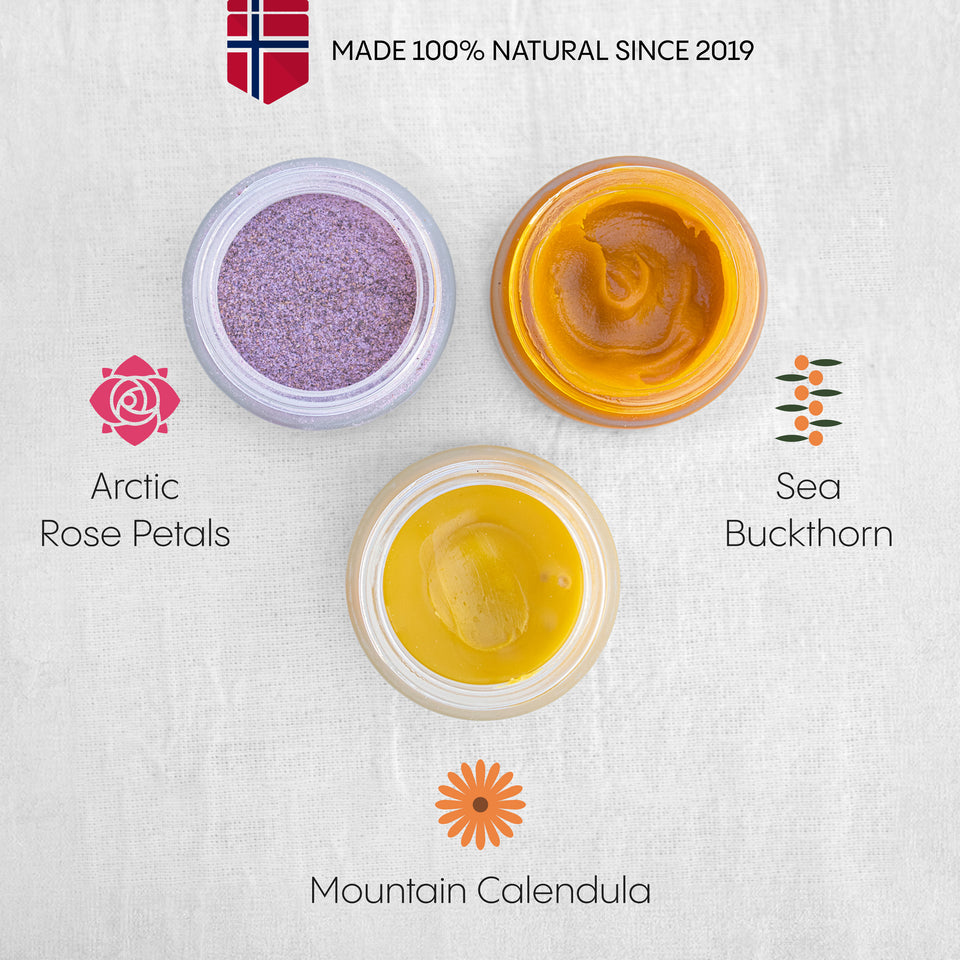
Tres pasos botánicos árticos que calman el enrojecimiento, apoyan la barrera, y mantienen la piel propensa a la rosácea cómoda. Sin ácidos, sin fragancia, sin despojo, respaldado por una garantía de devolución de dinero de 60 días.
Compra el Sistema HoyPreguntas Frecuentes
¿Qué calma naturalmente la rosácea?+
¿Qué no poner en una cara con rosácea?+
¿Cuál es el desencadenante más importante de la rosácea?+
¿La rosácea empeora con la edad?+
¿Qué alimentos debo evitar si tengo rosácea?+
¿Qué controla rápidamente la rosácea?+


